Hardware & Components · 4 min read
AMD and Winbond flaws cut BitLocker PIN cracking from 19 years to 20 days
TU Berlin researchers found AMD and Winbond flaws that let thieves brute-force BitLocker PINs in 20 days instead of 19 years. Vendors have not committed to fixes.
Key takeaways
- Vulnerabilities cut six-digit BitLocker PIN brute-force time from ~19 years to ~20 days.
- Attacks verified on AMD machines from Zen 2 through a Ryzen AI 5 330 laptop; likely millions affected.
- Winbond holds ~25% SPI flash market share; vulnerable chips need hardware replacement, not a patch.
- AMD fix requires AGESA-based BIOS updates from every OEM; many machines are out of support.
- Only Microsoft has acted, recommending six-digit PINs instead of four; no vendor committed to root-cause fixes.
Security researchers at Technische Universität Berlin have found vulnerabilities in AMD processors and Winbond SPI flash chips that cut the time to brute-force a six-digit BitLocker PIN from roughly 19 years to about 20 days — and no vendor has committed to fixing the root cause yet.
The team verified at least one of two AMD attacks across machines spanning Zen 2 through a Ryzen AI 5 330 laptop, and theorizes that all contemporary consumer AMD platforms using fTPM are vulnerable — potentially millions of machines, on the low side of the estimate. A separate flaw in Winbond's RPMC-enabled SPI flash widens the blast radius to Intel platforms too.
What exactly did the researchers break?
The target is firmware-backed disk encryption such as Windows BitLocker. On nearly all modern x86 consumer machines, the failed-attempt counter lives encrypted in an SPI flash chip on the motherboard, guarding the fTPM. The design gives a thief 32 free attempts, then imposes a 10-minute wait per additional try — which works out to 19 years for a six-digit numeric PIN under normal conditions. Windows defaults to a numeric sign-in PIN, and most users pick short ones.
The attacks require physical access to the machine. But hardware theft is exactly the scenario disk encryption exists to defend against, as the paper notes. The researchers say the techniques likely extend to other fTPM-based encryption schemes, not just BitLocker.
The Winbond vulnerability hits RPMC-enabled SPI flash — the variant with rollback protection — used by many OEMs across both Intel and AMD platforms. Winbond holds roughly 25% of the SPI flash market, according to the paper, so the number of affected machines could reach into the millions; an exact count is hard to pin down.
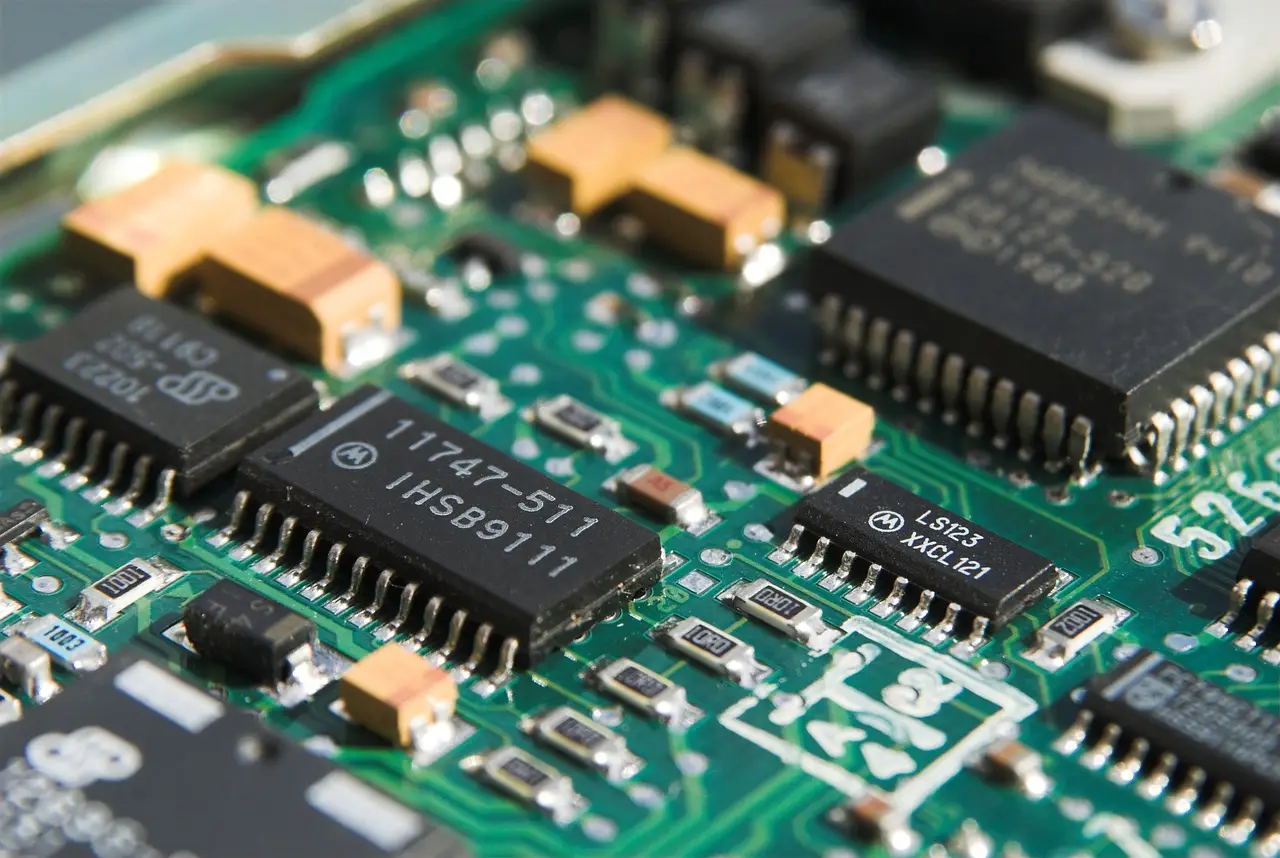
The researchers used a simple voltage glitch to make two specific Winbond chip models reveal the HMAC key that signs commands between the TPM and the SPI chip. With the HMAC in hand, the attacker places a low-cost interposer board in front of the SPI chip to impersonate it. On a failed unlock, the computer requests a counter increase and receives a confirmation — while nothing actually happened. The thief can retry as fast as Windows allows, at five attempts per reboot.
There is no fix for this one short of replacing the SPI chip. The team glitched two models but believes the flaw runs deeper into Winbond's lineup, since it allegedly sits in the RPMC engine design itself. Flash chips from other vendors in the test did not show the same weakness.
How bad is the AMD side?
Two related vulnerabilities, and both land on AMD. On tested machines whose SPI flash lacked RPMC rollback protection, the researchers simply copied the flash contents while the counter was low, then reflashed the image once the free attempts ran out.
The second one should make security architects wince. According to the paper, AMD's firmware controller for non-volatile storage — the component that talks to the SPI flash — never verifies that the counter increment actually happened. It issues the +1 command and moves on. An attacker can intercept that command with a cheap board and drop it, no HMAC keys required, so the counter never changes.
Will anyone patch this?
The intercept attack is fixable in firmware, almost certainly through AMD's AGESA software. The catch is practicality: AGESA updates on client hardware force every OEM to build fresh BIOSes for affected machines, many of which sit outside their support window. Anyone who lived through Spectre and Meltdown knows how slowly OEMs ship these fixes, and how reluctant they are to patch hardware more than a few years old.
The researchers contacted every company involved in their tests. As of publication, "none of them has committed to fixing the root-cause vulnerabilities." Microsoft has moved only modestly, announcing a policy change that recommends users enter six-digit PINs instead of four during setup.
Winbond-based machines have no software remedy at all; they need new SPI hardware. AMD machines likely need new BIOS files that may never arrive for older boards. Until vendors act, a laptop's TPM throttling is a speed bump, not a wall — and Microsoft's six-digit recommendation stretches the crack time only to about 20 days.
Tom's Hardware (Source)
More from Rebecca Stone
Show full bio
Correspondent covering technology and product news in Semiconductors, chip manufacturing, hardware, AI compute at Chip Dispatch.
1,354 articles