AI & ComputeLOT 261122 · 4 min read
Analyst Downgrades Arista Networks: 20% Downside Seen as AI Capex Cools
A sell rating on Arista Networks argues the stock's 26x FY27 ex-cash multiple compresses toward 20x, implying 20% downside as Q3's 58% growth reflects backlog catch-up, not new demand.
Key takeaways
- Analyst downgrade rates Arista Networks a sell with roughly 20% further downside implied
- ANET trades at 26x FY27 ex-cash earnings; contraction toward 20x drives the bear case
- Q3 revenue rose 58% year over year to $3.66 billion
- Arista carries $11.4 billion in purchase commitments
- Downgrade follows the market correction that began after the Anthropic IPO
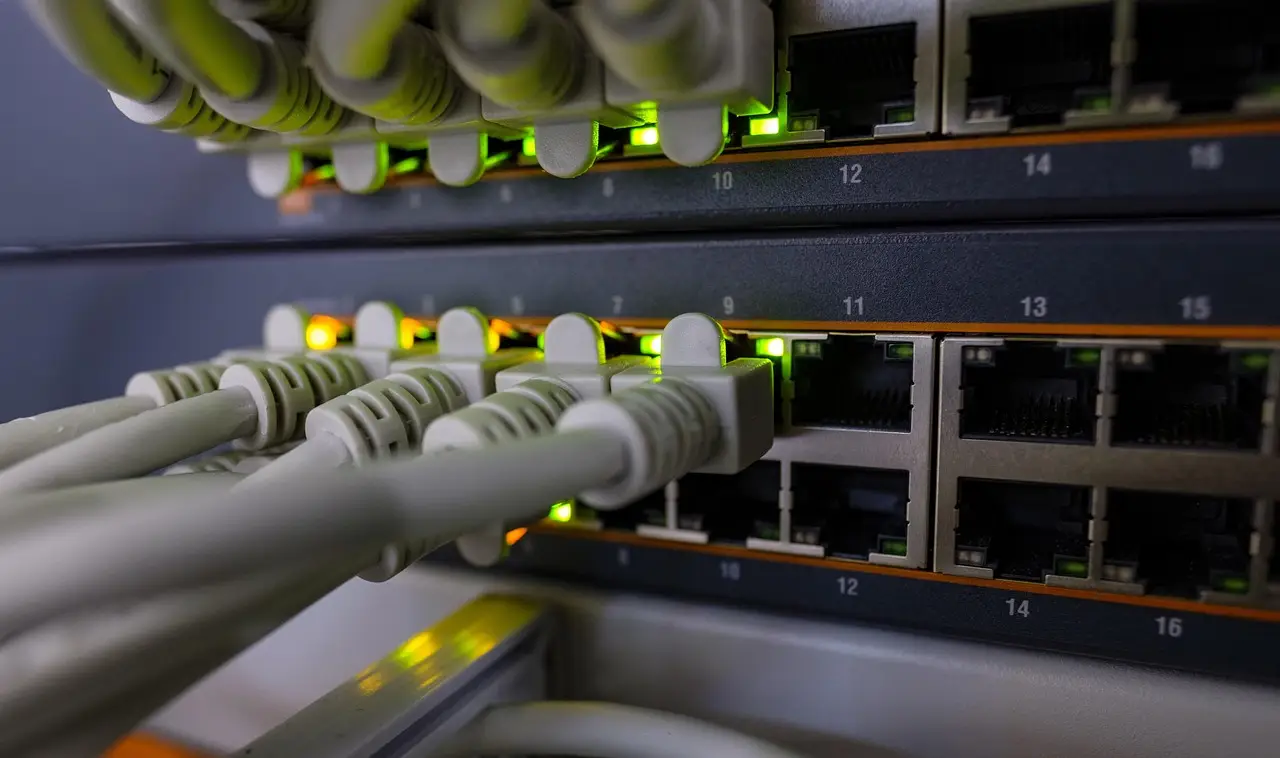
A Seeking Alpha analyst has slapped a sell rating on Arista Networks, arguing that the networking vendor still trades at 26 times fiscal 2027 ex-cash earnings when a contraction toward 20 times would imply roughly 20 percent further downside for the stock.
The downgrade lands at an uncomfortable moment for the broader AI infrastructure trade. The market correction began in earnest immediately after the long-anticipated IPO of Anthropic, and the AI infrastructure stocks that drove much of this year's rally now sit, in the analyst's words, in a precarious position. Arista, one of the clearest beneficiaries of data center networking demand, is exposed on two fronts: fading enthusiasm for AI capital expenditure and growth expectations the analyst calls aggressive.
Why does the sell rating come now?
The core argument is valuation. Even after the stock's recent correction, ANET still changes hands at 26 times fiscal 2027 earnings excluding cash, a multiple that embeds years of sustained hyper-growth. If AI spending enthusiasm keeps cooling, the analyst reasons, that multiple compresses toward 20 times, and the arithmetic produces roughly 20 percent of additional downside from current levels.
The downgrade therefore does not rest on a broken business. It rests on a repricing argument: the market is paying peak-cycle multiples for a company whose order momentum may have already peaked.
Is the 58 percent revenue growth as strong as it looks?
The headline numbers remain striking. Third-quarter revenue rose 58 percent year over year to $3.66 billion, a figure most networking vendors would envy.
The analyst, however, reads that print with suspicion. Improving supply likely drove backlog catch-up rather than a surge in new orders, the analysis argues. In plain terms: components that were scarce earlier became available, Arista shipped gear it had already sold, and the revenue line captured work that was already in the pipeline rather than fresh demand.
If that reading is correct, the impressive Q3 figure overstates the underlying rate of new business. A backlog-driven quarter flatters results once; a demand-driven quarter sustains them. The distinction matters because investors pricing the stock on 2027 earnings need new orders to keep compounding, not old ones to finally ship.
What amplifies the risk if data center spending slows?
The analyst identifies three specific pressure points:
- One-time equipment sales that inflate current results and will not repeat, flattering comparisons in coming quarters.
- Tighter financing conditions that make it harder for customers to fund large data center buildouts.
- $11.4 billion in purchase commitments — obligations that amplify damage if data center spending slows, because Arista has locked itself into supply it must absorb.
The purchase commitment figure deserves particular attention. At $11.4 billion, the commitments represent a large bet on continued demand. If hyperscaler and enterprise AI budgets tighten, those fixed obligations turn from a hedge against shortage into a source of margin pressure, since Arista must take the inventory regardless of what customers order.
Tighter financing compounds the problem. Large AI data center projects depend on capital markets and vendor financing. When financing conditions tighten, projects stretch out or shrink, and the networking equipment attached to those projects slips to the right in the revenue schedule.
What does this mean for the AI trade?
The analyst frames Arista's downgrade as part of a wider reckoning rather than an isolated call. The correction that followed the Anthropic IPO has put every AI infrastructure stock that powered this year's rally under scrutiny, and Arista's combination of a premium multiple, supply-driven revenue recognition and heavy purchase commitments makes it one of the more exposed names in the group.
There is a counterweight the analyst does not dispute: the business itself grew revenue 58 percent in the last reported quarter, and the correction has already taken some air out of the valuation. The bear case is not that Arista fails. It is that the stock still prices in more growth than the order book can deliver if AI capital expenditure cools.
The analyst discloses no position in Arista or any derivative tied to it, and no plans to initiate one within 72 hours.
The decisive variables from here are the trajectory of new orders versus shipped backlog, and whether the multiple settles near 20 times fiscal 2027 earnings — the level at which this analysis pegs roughly 20 percent of additional downside.
seekingalpha.com (Source)
More from Tom Whitfield
Show full bio
Staff writer covering companies, deals and strategy in Semiconductors, chip manufacturing, hardware, AI compute at Chip Dispatch.
1,200 articles