AI & Compute · 4 min read
Anthropic Dips Under $83 IPO Price; SpaceX Follows
Anthropic closed under $82 Tuesday, four days after its $83 IPO, while CoreWeave's 2032 bonds trade near 75 cents and Oracle CDS prices surge across the AI sector.
Key takeaways
- Anthropic closed just under $82.00 on Tuesday, below its $83.00 IPO price, four days after debut.
- The IPO was reported as six or seven times oversubscribed.
- Anthropic faces roughly $900 billion in future spending commitments and a likely non-investment-grade rating.
- CoreWeave's July 2032 bonds trade near 75 cents on the dollar; Oracle CDS prices have surged.
- SpaceX shares have also fallen below their IPO price.
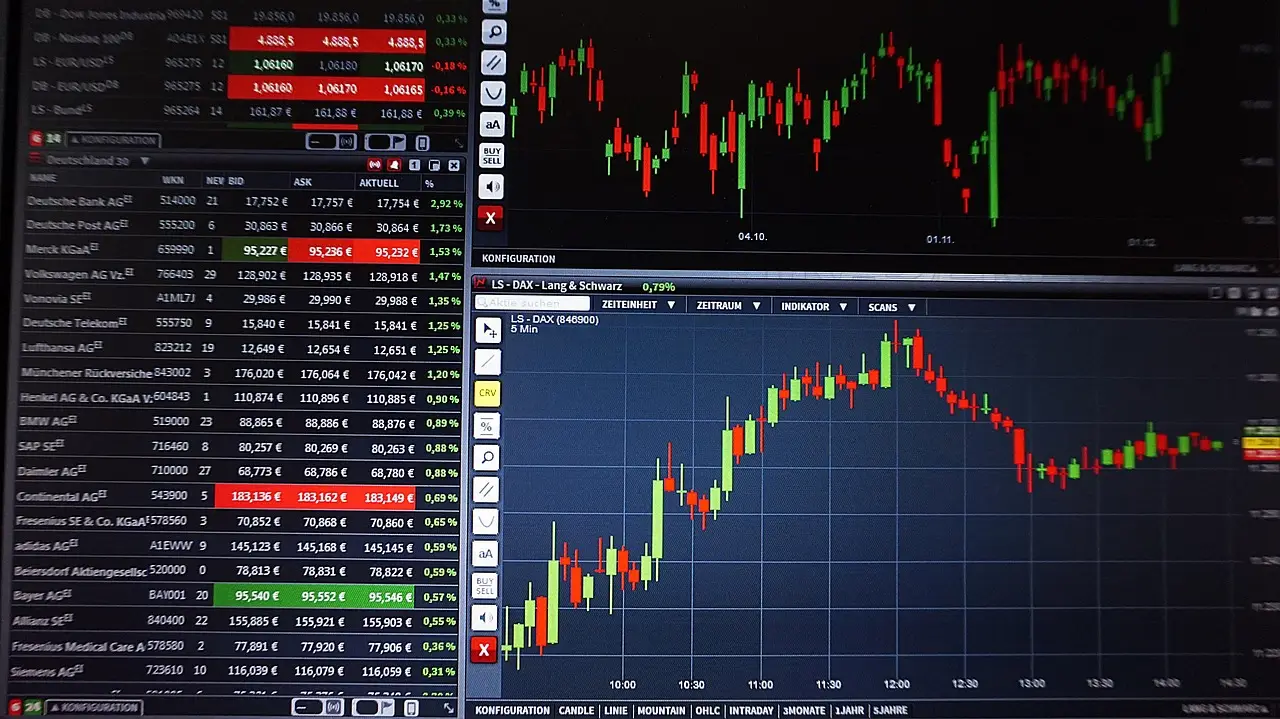
Anthropic shares closed Tuesday at just under $82.00, four days after their debut and below the $83.00 IPO price. The stock came to market six or seven times oversubscribed, according to the source's account, and it still could not hold its opening level through the first week of trading. SpaceX shares have likewise slipped below their own IPO price. Two marquee listings, two broken debuts.
The failures arrive at a moment when the financing machinery behind AI has started to show visible strain. The unnamed analyst behind the source piece frames both stocks as the latest evidence that the AI bubble is deflating rather than merely pausing. That is an interpretive claim, not a confirmed figure, and it deserves the appropriate discount. The price action, however, is a matter of record.
What is actually weighing on Anthropic?
The source identifies three pressures on the stock, and they compound one another:
- A lockup-related supply overhang, meaning shares freed from post-IPO restrictions will add selling pressure the market has not yet absorbed.
- Approximately $900 billion in future spending commitments, an obligation load the analyst treats as a looming weight on the balance sheet.
- A likely non-investment-grade debt rating, which would raise the cost of every future dollar the company borrows.
None of these is a small item. Together they sketch a company that priced its debut into enthusiasm and now has to trade on arithmetic.
Is the wider AI credit market cracking?
The stress is not confined to newly listed equities. Credit markets tied to AI infrastructure have begun to move in ways equity investors rarely ignore.
Oracle's credit default swap prices have surged, a signal that traders now demand more protection against the company's debt. CoreWeave's July 2032 bonds trade near 75 cents on the dollar, a level associated with serious doubts about eventual repayment. A bond at 75 cents is the credit market's version of a raised eyebrow. It is not a verdict, but it is no longer a shrug.
How did the funding boom turn into a drag?
The source traces a sequence. IPO proceeds this year have set records. Equity raises have been enormous. AI-related debt issuance has surged. Each of those flows funded data centers, capacity and compute. The bill is now arriving, and the markets are beginning to buckle under its weight, in the analyst's words.
This dynamic matters beyond the two IPO stocks. Chip suppliers, memory makers and foundries have spent this cycle planning capacity against AI demand forecasts that were, in part, financed by this same wall of debt and equity. If the financing side deflates, the demand side of those forecasts follows with a lag. The order book of 2026 is being written by the credit spreads of 2025.
What does a broken IPO price signal?
A stock trading under its IPO price four days in is not, by itself, a catastrophe. Companies have recovered from worse, and four sessions of tape tell you little about a business. What it does signal is that the marginal buyer at the debut price has gone missing, and that the oversubscription of the offering did not translate into durable support once real money had to settle real trades.
The lockup overhang makes the near term harder. Shares that insiders cannot yet sell become shares they can sell later, and the market prices that possibility in advance. A non-investment-grade rating would compound the problem by making debt capital more expensive at precisely the moment spending commitments require it.
Where does this leave the sector?
The source closes on a broad judgment: these broken IPO prices are the latest sign that the AI bubble is finally deflating. Readers should weigh that as one analyst's framing rather than settled fact. The concrete evidence underneath it, though, is specific and checkable: a $900 billion commitment figure, CoreWeave paper near 75 cents, Oracle CDS widening, and two flagship listings under water within days.
The next signal to watch is whether the bond market's skepticism migrates further into equity valuations, or whether record IPO proceeds and fresh raises keep the machinery turning long enough for the spending commitments to produce revenue. On the source's own numbers, that race has already begun.
seekingalpha.com (Source)
More from Nathan Brooks
Show full bio
Senior reporter covering people, launches and day-to-day practice in Semiconductors, chip manufacturing, hardware, AI compute at Chip Dispatch.
1,291 articles