Memory & StorageLOT 261119 · 3 min read
Anthropic's $81.3 Billion IPO Lifts SanDisk and Micron 4% Each
Anthropic's record $81.3 billion IPO lifted SanDisk and Micron 4% each, with Western Digital up 5%, after a month in which SanDisk lost 41% on NAND glut fears.
Key takeaways
- Anthropic raised $81.3 billion in its November 19 IPO at $83 per share, valuing the company at about $1.5 trillion.
- SanDisk rose 4% to $810.64 and Micron 4% to $735.14; Western Digital gained 5% to $302.38.
- NVIDIA on November 17 forecast Q4 FY2027 revenue of $130 billion and disclosed $390 billion in supply commitments, mainly memory.
- SanDisk posted Q1 FY2027 revenue of $11.03 billion, up 377.9% year over year; its eight-for-one stock split takes effect November 20.
- Micron said more than 75% of its fiscal 2027 shipments are committed and cited clean-room space as the industry's main constraint.
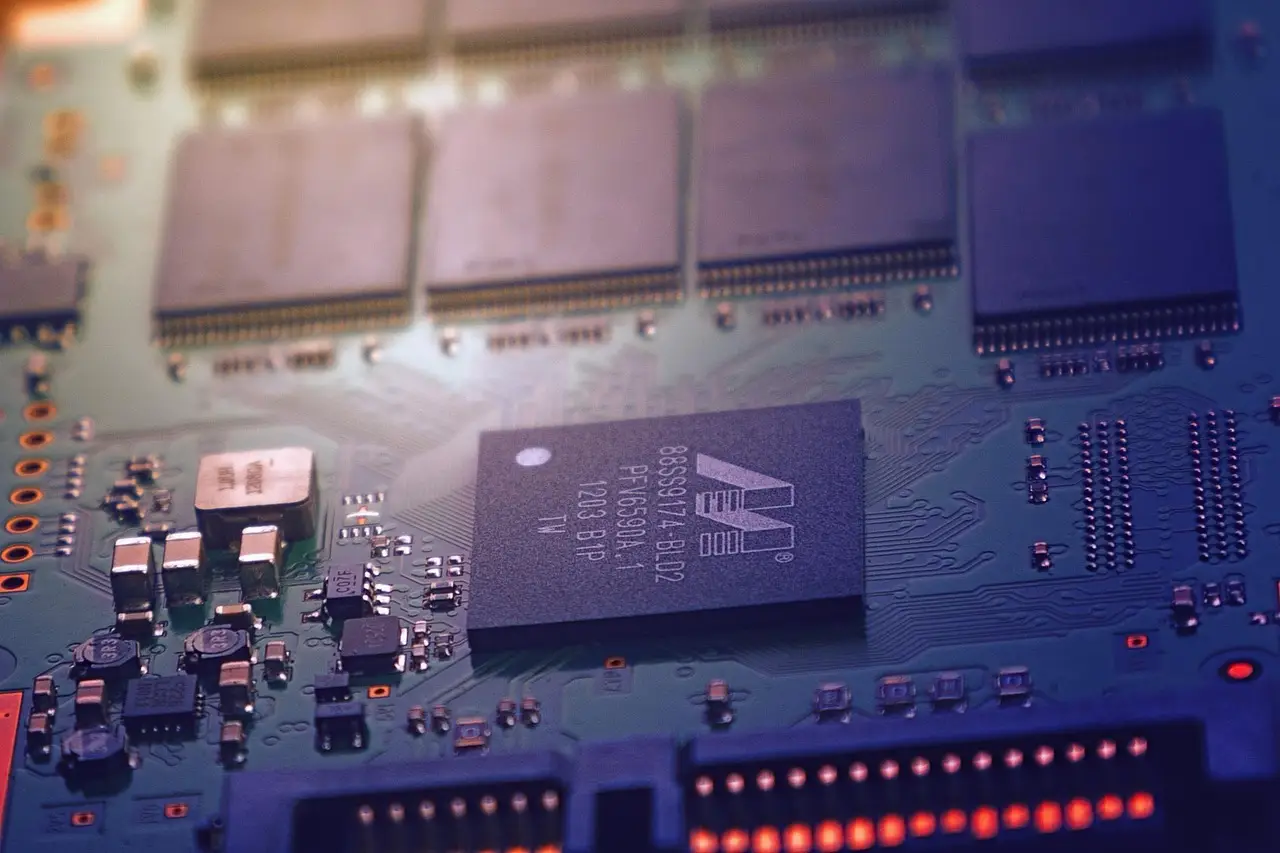
Anthropic raised $81.3 billion in its initial public offering on November 19, the largest IPO on record, and memory stocks rose with it. SanDisk (NASDAQ: SNDK) traded at $810.64, up 4%, while Micron (NASDAQ: MU) reached $735.14, also up 4%. Western Digital (NASDAQ: WDC) outdid both, gaining 5% to $302.38.
The AI laboratory priced its shares at $83, above an initial range of $70 to $78, and began trading on Nasdaq under the ticker ANT. The deal values Anthropic at roughly $1.5 trillion. Wall Street read the demand as a vote of confidence in AI spending, and NASDAQ 100 futures moved higher after the pricing.
What did NVIDIA's supply disclosure change?
NVIDIA (NASDAQ: NVDA) also moved higher, and for reasons that reach memory makers directly. On November 17 the company forecast fourth-quarter fiscal 2027 revenue of $130 billion in its earnings release and disclosed supply commitments of $390 billion, mainly memory. Those commitments tie the AI buildout to suppliers such as SanDisk and Micron.
This is not a subtle linkage. Every AI server carries high-bandwidth memory beside the processor, and Micron makes a large share of it. When the largest buyer of that memory signs supply contracts worth $390 billion, the suppliers' order books follow.
Who bounced hardest?
The leaderboard carries a mild surprise. Western Digital, the hard disk drive maker that spun off SanDisk and now sells high-capacity drives to hyperscalers, led the group at 5%. That cuts against the assumption that the purest AI memory names would bounce hardest.
The month behind them explains the sizing. SanDisk is down 41% over the past month, a slide driven by GF Securities cutting its NAND price forecast and warning of a glut. Micron fell 19% over the same stretch, and Western Digital held up best at minus 14%. A 4% recovery after a 41% fall is arithmetic, not vindication.
How do these three companies make money?
SanDisk is a pure-play flash company. It designs NAND memory and solid-state drives and produces wafers through Flash Ventures, its joint venture with Kioxia. Enterprise SSDs serving AI infrastructure are its fastest-growing market; edge devices remain its largest. Long-term customer agreements with prepayments and deposits round out the model.
Micron runs a broader portfolio spanning DRAM, HBM, NAND and chips for phones, PCs and cars. On its September 30 earnings call, management said the company has "a very strong outlook for demand through 2028." The principal constraint, in management's words, is clean-room space, which takes years to build.
Western Digital focuses on high-capacity hard drives for cloud and enterprise customers and retains an ownership interest in SanDisk. During its October 22 earnings call, management stated that "AI is fundamentally a data system," with higher-capacity drives at the center of that plan.
What tests the rebound next?
SanDisk's eight-for-one forward stock split takes effect after the close, with split-adjusted trading starting November 20. Splits change the share count and the per-share price while leaving total value untouched. The timing is, at minimum, unlucky; the stock entered the split on the back of a 41% drawdown.
The bulls cite record results. SanDisk posted first-quarter fiscal 2027 revenue of $11.03 billion, up 377.9% year over year. Micron said more than 75% of its fiscal 2027 shipments are already committed. The bears point to how fast the past month's slide unfolded and to the glut concerns that weighed on SanDisk before the bounce.
Micron's next earnings report will show whether tight supply still supports prices. Any cooling in AI enthusiasm after Anthropic's debut could test the rebound quickly, and the debate over memory supply should keep volatility elevated until it settles.
247wallst.com (Source)
More from Nathan Brooks
Show full bio
Senior reporter covering people, launches and day-to-day practice in Semiconductors, chip manufacturing, hardware, AI compute at Chip Dispatch.
1,132 articles