Apple's $399 iPod Turns 25: The Deck-of-Cards Device That Held 1,000 Songs
The original iPod debuted 25 years ago: $399, 5GB, 1,000 songs, a 1.8-inch Toshiba HDD and FireWire transfers Apple claimed were 30 times faster than USB.
- By
- Nathan Brooks
- Filed
- Channel
- Consumer Tech
- Read
- 3 min read
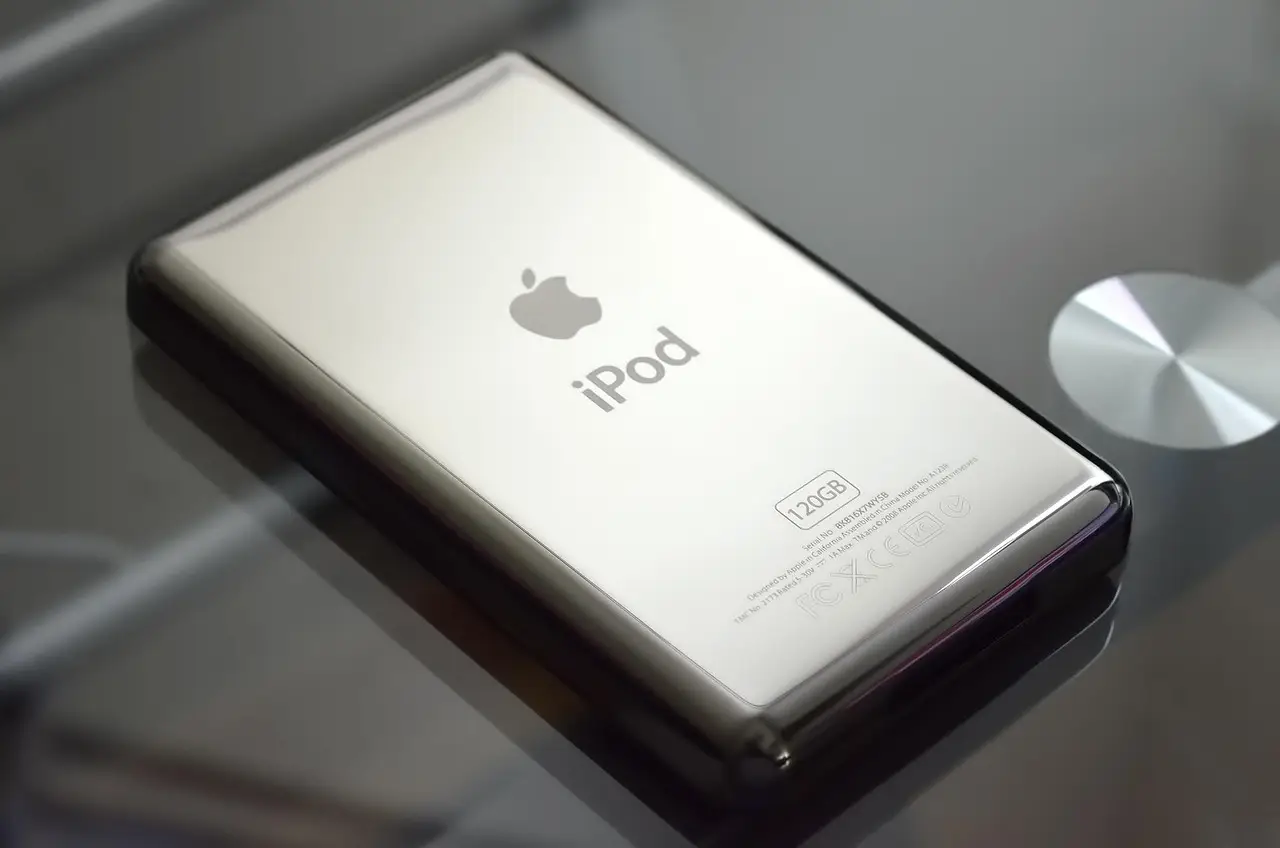
Twenty-five years ago today, Steve Jobs unveiled a $399 device that stored 1,000 songs in a package the size of a deck of cards. The original iPod, introduced on October 23, 2001, carried 5 gigabytes of storage and, by Apple's reckoning, an entire music library.
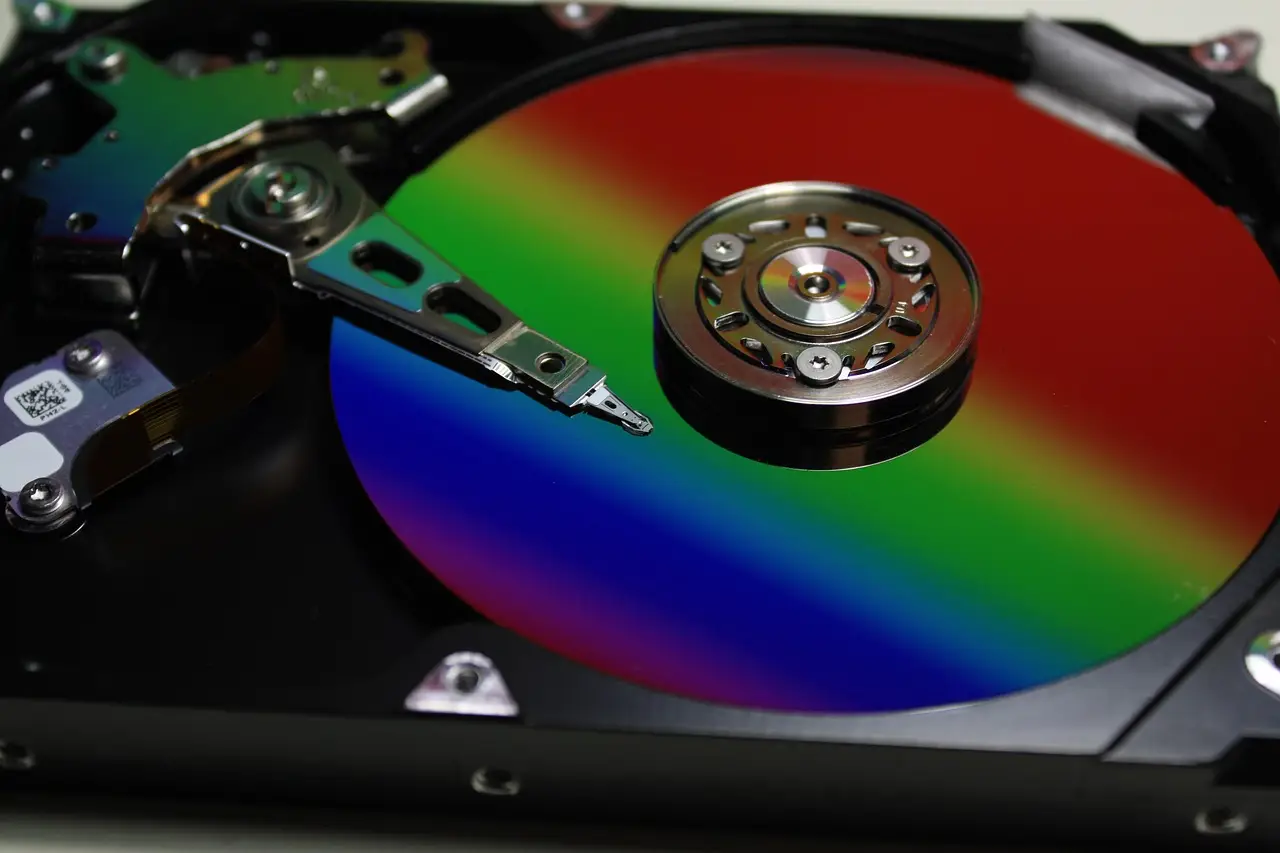
The engineering choices were unusually specific for a consumer gadget. Inside sat Toshiba's newest 1.8-inch hard disk drive, a platter just 0.2 inches thick, which made the slim chassis possible. The device measured 2.4 x 4 x 0.78 inches and weighed 6.5 ounces — "lighter than most cell phones," as Jobs put it. Data moved over FireWire 400, because the USB of 2001 was too slow and could not charge the player.
That transfer gap deserves a number. Jobs claimed FireWire moved a full CD onto the iPod in five to 10 seconds, while USB devices of the era needed roughly five minutes for the same job. Filling the entire 1,000-song library took an estimated 10 minutes over FireWire, against five hours over USB. The iPod was marketed as the first and only music player with the connector.
Why did Apple build a music player at all?
Jobs opened the presentation by teasing "a breakthrough digital device that's not a Mac." The context matters. In October 2001, Apple had steadied itself after the dot-com bust with iMacs, iBooks and the Mac OS X transition, and Jobs predicted the Mac would become "the center of your digital lifestyle" — a hub for cameras, camcorders, DVD players and, now, portable music.
The market logic was blunt. Everyone loves music, the target market is huge, and there was no dominant leader. Creative, Sonic Blue and the much larger Sony already sold portable digital players, but "none of them has really found the recipe yet, for digital music," Jobs told the crowd. Four categories then competed: CD players, MP3 CD players, flash players and hard disk-based jukeboxes. Jobs picked the last one as the optimal entry point.
What did the first iPod actually do?
The player handled MP3, WAV and AIFF at CD quality, with 5GB holding 1,000 typical pop-length MP3s encoded at 160Kbps. "For most people it's their entire music library," Jobs said. The first song demoed on stage was Sarah McLachlan's 'Building a Mystery.'
Apple positioned three claims as the product's foundation:
- Portability. The deck-of-cards form factor, enabled by the Toshiba drive, plus 20-minute skip protection.
- Design and controls. A scroll wheel with a piezoelectric clicker for tactile feedback, operable with one hand, with browsing by playlist, artist or song.
- Auto-Sync. iTunes 2 shipped the same day, and connecting the iPod kept its library synchronized with the Mac's automatically. The device also doubled as a FireWire hard drive.
The rechargeable lithium-polymer battery delivered 10 hours of continuous playback and recharged to 80 percent in one hour, Apple said.
How did the story end?
The iPhone arrived in early 2007, more than five years later, and both products sold alongside each other for over a decade. The last model, the seventh-generation iPod Touch, appeared in May 2019; Apple discontinued the line in May 2022. The smartphone absorbed the category entirely, which suggests the iPod's real legacy was less the hardware than the habit — a pocket computer with your library in it. Twenty-five years on, that habit has not gone away.
Source: Tom's Hardware
More from Nathan Brooks
Show full bio
Senior reporter covering people, launches and day-to-day practice in Semiconductors, chip manufacturing, hardware, AI compute at Chip Dispatch.
740 articles
Related articles
wd-posts-55-revenue-growth-as-40tb-and-hamr-ramps-approach
WD posts 55% revenue growth as 40TB and HAMR ramps approach
science-tokyo-builds-25-nm-ferroelectric-memory-that-gains-as-it-shrinks-23eb932a
Science Tokyo Builds 25 nm Ferroelectric Memory That Gains as It Shrinks
fully-specced-touchscreen-macbook-pro-reaches-14-549
Fully Specced Touchscreen MacBook Pro Reaches $14,549
working-cray-1-replica-built-from-30-mac-minis-delivers-1-5-tflops-d0fa6a8a
Working Cray-1 Replica Built From 30 Mac Minis Delivers 1.5 TFLOPS