Atomarine raises $19 million for ship-based AI data centers
Atomarine raised $19 million for ship-based AI data centers, targeting a 2028 gas pilot, 150 MW of eventual nuclear capacity and a first reactor deployment in 2031 or 2032.
- By
- Tom Whitfield
- Filed
- Channel
- Startups & Funding
- Read
- 3 min read
By Tom Whitfield
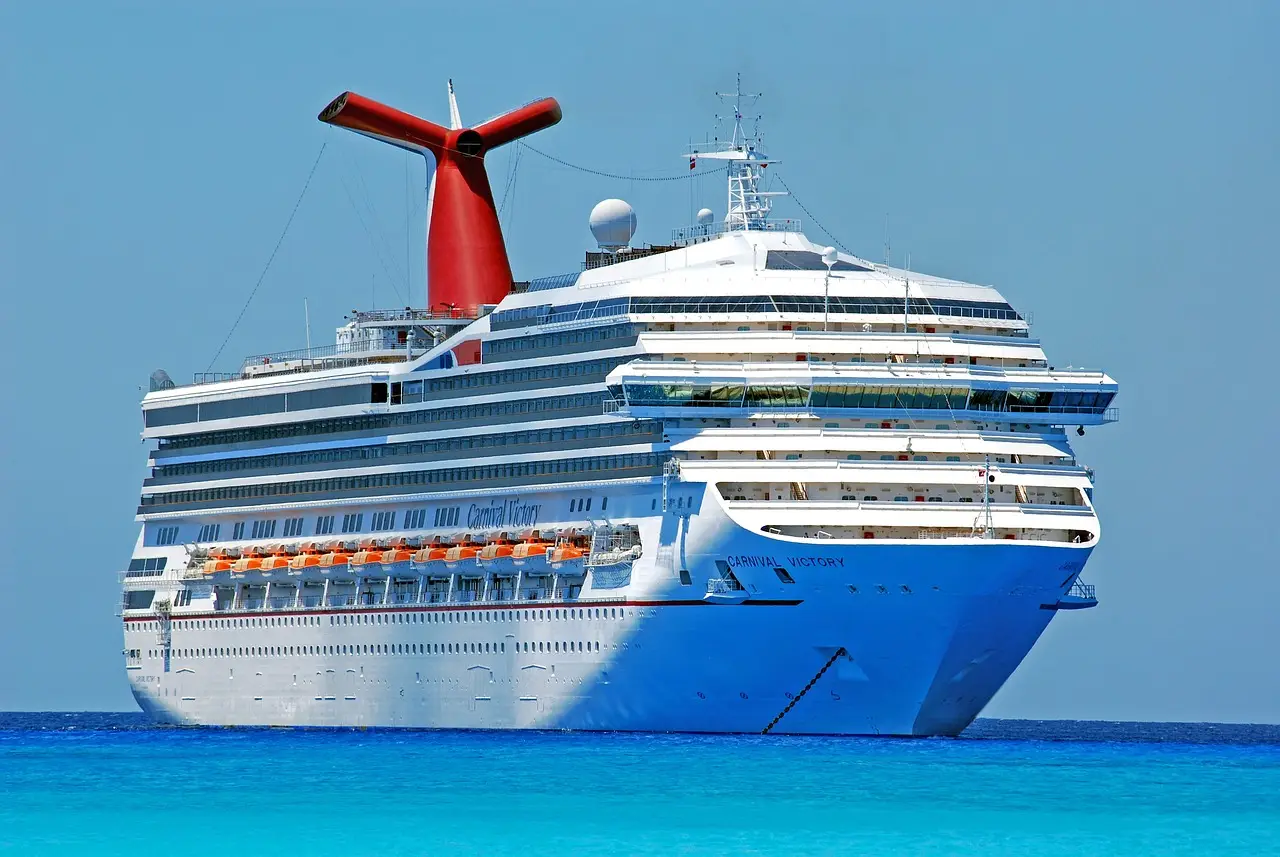
Atomarine has raised $19 million in seed funding to build floating data-center platforms for artificial-intelligence workloads, according to Data Center Dynamics’ Nov. 11 report. The Cambridge, Massachusetts, startup plans to put modular computing platforms on ships, first using natural-gas generators and eventually fitting the vessels with small modular reactors.
Y Combinator led the round, with Pantera Capital, Soma Capital, Seven Seven Six, Liquid 2 Ventures, Audacious Ventures and E14 Fund also participating. The proceeds will finance hiring in naval architecture, nuclear engineering and data-center design.
What can run before nuclear power arrives?
The first operating version will not be nuclear. Atomarine’s Y Combinator profile targets a gas-powered pilot by 2028, using generators mounted directly on its ships.
No floating nuclear-powered data center exists, and small modular reactors are not yet commercially available or approved. The stated sequence therefore depends on gas generation first, with nuclear systems following several years later.
That timetable would place the first nuclear deployment roughly three to four years after the pilot target. Co-founder Dimitris Koutentakis said the company is “aiming for a first nuclear deployment in 2031 or 2032.”
How much capacity could the nuclear ships provide?
Atomarine says its nuclear ships could eventually supply 150 MW, enough to power two of its modular data-center platforms. This is a future company capacity claim, not an installed, commissioned or contracted figure.
The startup also says it has partnerships with multiple small modular reactor vendors, although it has not named a design. Until a reactor becomes available, gas generators must carry any operating platform.
Who would license a reactor at sea?
Atomarine has not said which flag state, maritime body or nuclear regulator would license a reactor at sea. The report adds that no company has completed those steps for a commercial data center.
The seed funding can expand the engineering organization, but it does not settle reactor selection or maritime jurisdiction. Those unresolved items separate the company’s financing progress from its nuclear deployment target.
Why place AI computing offshore?
The two founders bring nuclear and shipping experience. Emile Germonpré holds a PhD in nuclear engineering from MIT, while Koutentakis holds MIT degrees in electrical engineering, mechanical engineering and business and has ties to the Greek shipping industry.
Offshore siting, Koutentakis argues, means “moving offshore avoids competing with communities for water, power and land.” The proposed advantage is to bypass some of the resource and permitting constraints facing large AI facilities.
Atomarine’s pitch also cites grid interconnection waits approaching a decade. The company further says local opposition has stopped more than half of planned projects since 2025; these figures remain company claims in the report.
What does the onshore nuclear record show?
Onshore nuclear development offers limited schedule comfort for Atomarine’s roadmap. Ontario Power Generation said its first Darlington small modular reactor would miss its 2030 date and its C$7.7 billion budget.
The U.S. Nuclear Regulatory Commission has only just issued a construction permit for the Dow and X-energy Xe-100 plant in Texas. These projects show that construction and regulatory work remain active constraints beyond Atomarine’s floating model.
The decisive near-term test is whether Atomarine can deliver and operate its targeted gas-powered pilot. Its 150 MW, two-platform nuclear claim remains a roadmap dependent on naming a reactor, securing approvals and completing licensing, so it cannot yet change competition for AI data-center capacity.
Source: mlq.ai
More from Tom Whitfield
Show full bio
Staff writer covering companies, deals and strategy in Semiconductors, chip manufacturing, hardware, AI compute at Chip Dispatch.
840 articles
Related articles
powerlattice-raises-25m-with-former-intel-ceo-in-its-corner-3996af3b
PowerLattice Raises $25M With Former Intel CEO in Its Corner
nasdaq-and-s-p-500-close-at-record-highs-on-ai-chip-and-nuclear-demand-7f9cb330
Nasdaq and S&P 500 Close at Record Highs on AI Chip and Nuclear Demand