BASF to Build Electronic Materials Plant in Nanjing by End of 2028
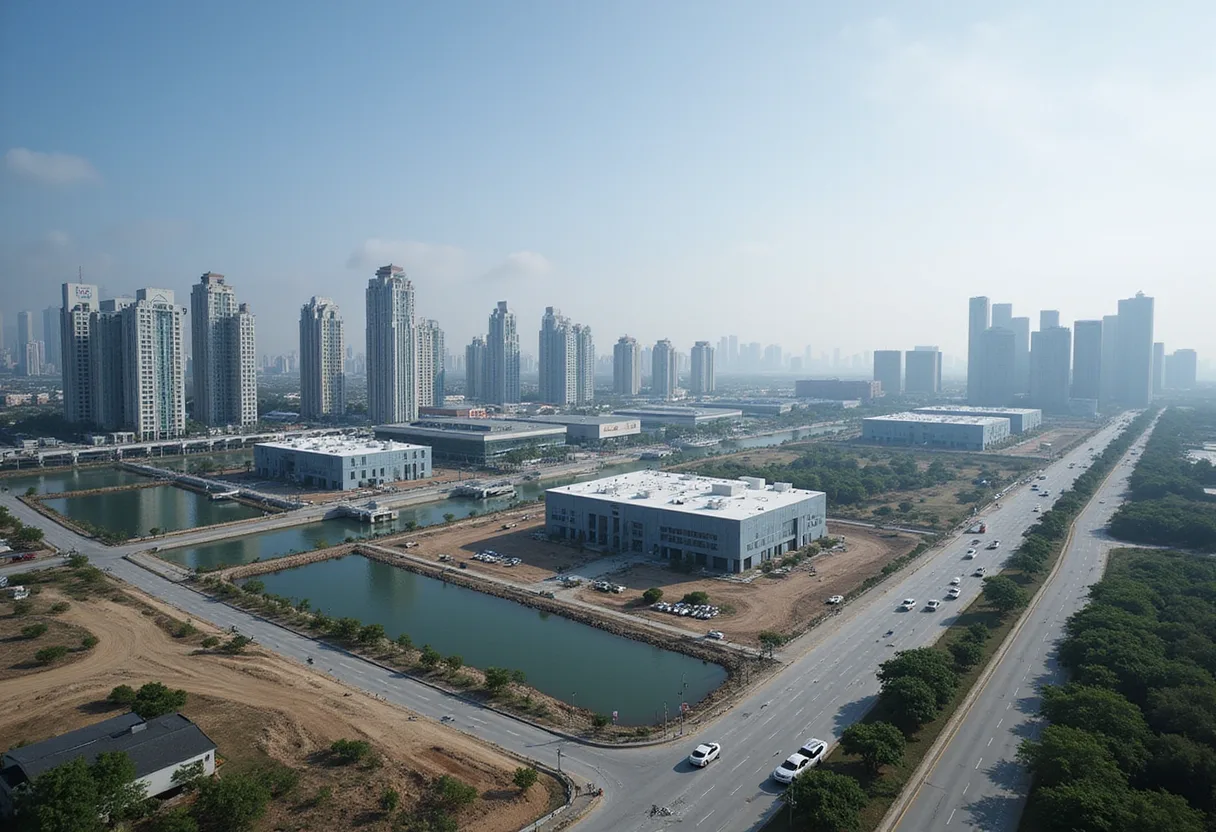
BASF has signed an agreement with Nanjing Jiangbei New Area to build an electronic materials plant at the Materials High-Tech Park, targeting commercial operations by end of 2028.
- By
- Rebecca Stone
- Filed
- Channel
- Semiconductors
- Read
- 3 min read
BASF has signed an investment agreement to build a new electronic materials plant in Nanjing, with commercial operations targeted for the end of 2028. The deal, struck with Nanjing Jiangbei New Area, places the facility inside the Nanjing Jiangbei New Area Materials High-Tech Park and marks the German chemicals major's latest move to manufacture semiconductor materials inside China rather than import them.
The timing matters. China's chip industry is scaling advanced production fast, and demand for specialized electronic materials — electronic-grade solvents, high-purity chemicals and semiconductor processing materials — is rising in step. BASF wants to be making those materials next to its customers when the plant comes online.
Jens Liebermann, Senior Vice President and Head of BASF's Global Electronic Materials business, said the investment would strengthen the company's local manufacturing presence and improve its ability to support customers across China. He also pointed to BASF's commitment to contributing to the continued development of China's semiconductor industry.
Gops Pillay, President of BASF's Global Operating Division, added that the new facility would build on the company's established presence in Nanjing — BASF already operates manufacturing infrastructure in the city. The expansion, he said, is expected to reinforce the company's manufacturing base, supply chain capabilities and technical support network, letting it serve regional customers more efficiently.
What does the plant actually change?
Two things, in BASF's framing: supply reliability and proximity.
The company says localized production will improve the reliability of electronic materials supply for semiconductor customers across China, letting it respond faster to evolving customer requirements and strengthening supply chain resilience in a market it calls strategically important. Once operational, the site is expected to serve as a platform for closer cooperation between BASF, semiconductor manufacturers and other participants across the semiconductor value chain.
The project is also a milestone in BASF's 'local-for-local' strategy — manufacturing products closer to customers and strengthening regional supply networks rather than shipping materials from European or other overseas plants.
Notably, the agreement itself discloses no investment value and no capacity figures. What's confirmed is the location, the partner and the 2028 timeline.
Will it move chemical prices?
Not soon, according to ChemAnalyst's assessment of the deal.
Because commercial operations won't begin until late 2028, the facility is not expected to influence market supply immediately. Longer term, demand for specialty chemicals, electronic-grade solvents, high-purity chemicals and semiconductor processing materials could increase as production capacity expands.
The near-term effect on bulk commodities is essentially nil. ChemAnalyst expects no immediate price movement in methanol, acetone, toluene, caustic soda or other tracked chemicals. Any future price impact will hinge on three variables: actual production volumes, raw material procurement and semiconductor demand growth.
Why Nanjing, and why now?
BASF isn't starting from scratch in the city. The company has an established presence there, and Pillay framed the new site as an extension of that base rather than a greenfield bet.
The strategic logic runs deeper than one plant. For BASF, Nanjing represents a chance to deepen customer relationships, expand its electronic materials business and strengthen its position in China's semiconductor supply chain. The 2028 start-up also positions the company to capture longer-term growth in China's electronics and advanced manufacturing industries.
There's a technology angle too. As semiconductor manufacturers pursue increasingly advanced production technologies, reliable regional supply of specialized materials becomes more critical — and BASF argues local expertise and collaboration will support that technology development.
For now, the story is a commitment: a signed agreement, a named site, a 2028 target. Whether the Nanjing plant shifts China's electronic materials supply picture will depend on what BASF actually builds — and how much it produces — as the decade closes.
Source: Google News: semiconductors
More from Rebecca Stone
Show full bio
Correspondent covering technology and product news in Semiconductors, chip manufacturing, hardware, AI compute at Chip Dispatch.
750 articles
Related articles
basf-to-expand-taiwan-semiconductor-materials-site-d74b9d8a
BASF to Expand Taiwan Semiconductor Materials Site
basf-signs-letter-of-intent-with-taiwan-on-semiconductor-materials-c904f104
BASF Signs Letter of Intent With Taiwan on Semiconductor Materials
new-semiconductor-project-breaks-ground-in-guangzhou-s-huangpu-district-bac9e5a3
New Semiconductor Project Breaks Ground in Guangzhou's Huangpu District
seven-global-firms-pledge-record-2-billion-to-korea-s-chip-and-ai-buildout
Seven Global Firms Pledge Record $2 Billion to Korea's Chip and AI Buildout