Bedrock Robotics Raises $600 Million at $4.1 Billion Valuation
Bedrock Robotics raised $600 million at a $4.1 billion valuation after autonomous excavators performed paid work on live commercial sites in August 2026.
- By
- Nathan Brooks
- Filed
- Channel
- Startups & Funding
- Read
- 3 min read
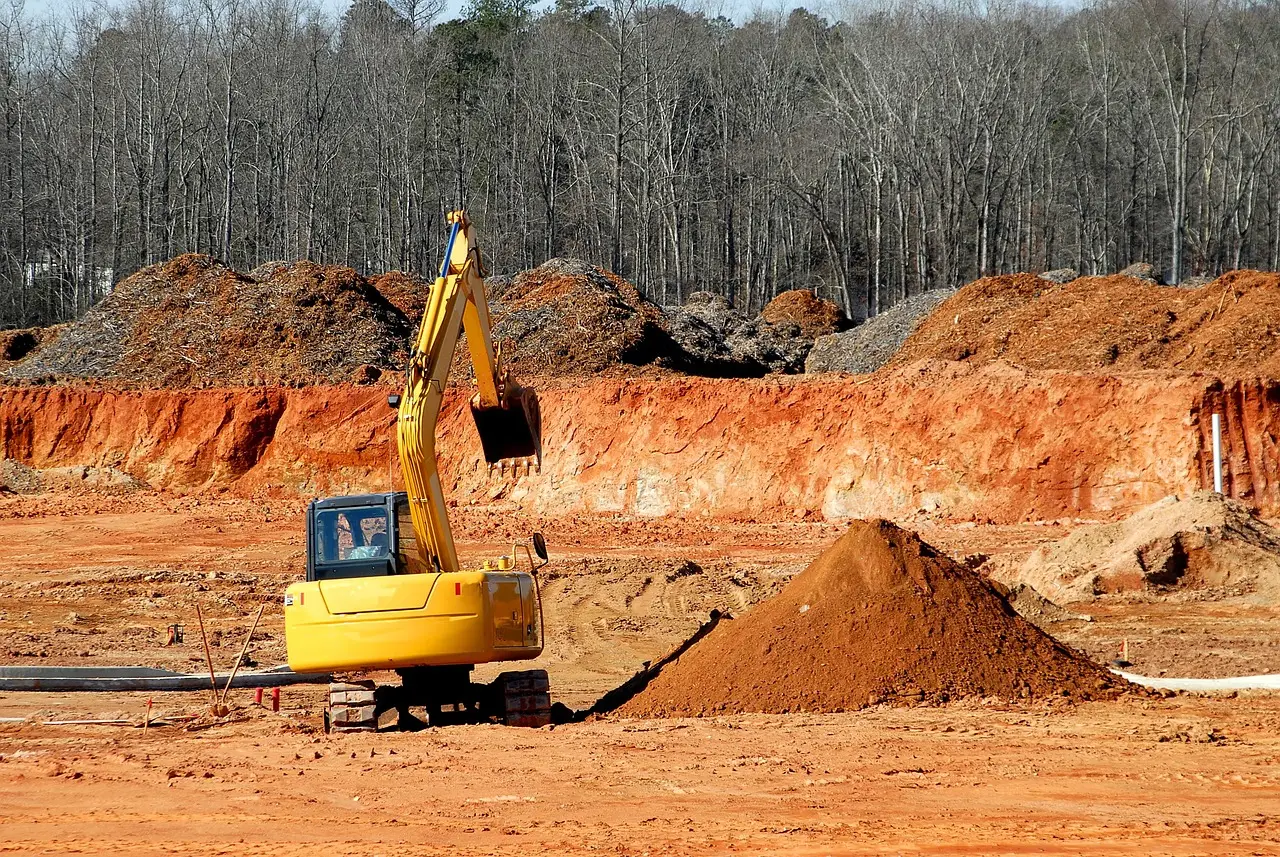
Bedrock Robotics has closed a $600 million Series C at a $4.1 billion post-money valuation, with CapitalG, Alphabet's growth fund, and Emergence Capital co-leading the round. The financing lifts the company's total funding to nearly $1 billion and funds an unusual ambition: putting autonomous excavators to work as ordinary, billable construction equipment.
New investors in the round include US Innovative Technology Fund, Bessemer Venture Partners, and Temasek. Existing backers 8VC, Georgian, Valor Equity Partners, Xora, Eclipse, Perry Creek Capital, and NVIDIA also participated. Founded in 2024 by former Waymo engineers, Bedrock builds autonomous systems for heavy equipment rather than new machines — its software drives the excavators contractors already own.
Why does a robotics company command $4.1 billion?
The valuation rests on a milestone reached in mid-August 2026: fully autonomous excavators performing paid work on live commercial job sites. That is the difference between a demonstration and a product. According to the company, Bedrock has more than doubled its total customer volume since 2025.
CEO and co-founder Boris Sofman framed the challenge ahead. "We have proven that fully autonomous excavators can perform real work of value alongside the crews and workflows already in place on job sites. The next challenge is delivering that capability to more contractors as a dependable part of how projects get built," he said. The new capital will fund expanded deployments, field operations, and commercial infrastructure.
How large is the labor gap autonomy is filling?
The context is a construction labor market that keeps tightening. Employers will need to fill roughly 1.7 million openings each year through 2035 to support growth and replace departing workers, according to figures cited by the company. In construction, 87% of firms report openings for hourly craft positions, and 88% say those roles are as hard or harder to fill than a year ago.
Emergence Capital general partner Jake Saper put the stakes in sharper terms: more than 20% of global GDP runs on industries that cannot hire the skilled labor they need. "That's not a software problem, it's a physical one, and Bedrock is building for it," he said.
Who is actually deploying the machines?
The customer list now stretches well beyond the West. New contracts include:
- Wagner Construction in Minnesota
- Smith Trucking Company in Florida
- B&S Site Development in Virginia
- Native Excavating in Colorado
- Clarkson Construction in Missouri
- C.W. Matthews in Georgia
- Selected ArchKey Solutions projects in Arkansas
The largest new commitment comes from Haydon, a Tempe, Arizona-based, 100% employee-owned general contractor deploying the system for fully autonomous earthwork on a remote Texas site. Haydon plans to expand Bedrock-equipped machines across building and heavy civil projects, including advanced manufacturing, transportation, water, data center, and healthcare construction. Trench work and automation of larger machine models are next on the test plan.
Haydon CEO and Chair Katie Haydon kept her verdict practical: "For us, the biggest win is a safer, more predictable job site." Autonomous equipment, she said, could help crews accomplish more in a single shift and get home safely during the busiest stretches.
What did the lead investors say?
CapitalG general partner Derek Zanutto noted the pace: Bedrock reached autonomous work on live commercial sites just one year after emerging from stealth. "Construction sits at the foundation of nearly every major economic and industrial ambition in the United States. We cannot afford to take decades developing advanced robotics for this critical industry," he said, adding that Bedrock combines technical depth, operational discipline, and contractor partnership to "define a new category of industrial autonomy."
Emergence's Saper, who has backed physical AI companies since 2015, credited Bedrock's AI with letting heavy equipment reason through the unpredictability of a live job site — translating, in his words, into greater construction capacity completed faster and more safely.
The Series C converts a proven pilot into an operating company. The test now is whether field infrastructure, not algorithms, can scale autonomy across dozens of contractors — and whether the machines keep earning their keep when the investors stop watching.
Source: svdaily.com
More from Nathan Brooks
Show full bio
Senior reporter covering people, launches and day-to-day practice in Semiconductors, chip manufacturing, hardware, AI compute at Chip Dispatch.
1,031 articles
Related articles
genesis-ai-lands-500m-series-a-at-3-5b-valuation-for-factory-robots
Genesis AI Lands $500M Series A at $3.5B Valuation for Factory Robots
agile-robots-raises-500-million-at-8-5-billion-valuation
Agile Robots Raises $500 Million at $8.5 Billion Valuation
genesis-ai-raises-500m-series-a-at-3-5b-valuation-for-factory-robots
Genesis AI Raises $500M Series A at $3.5B Valuation for Factory Robots