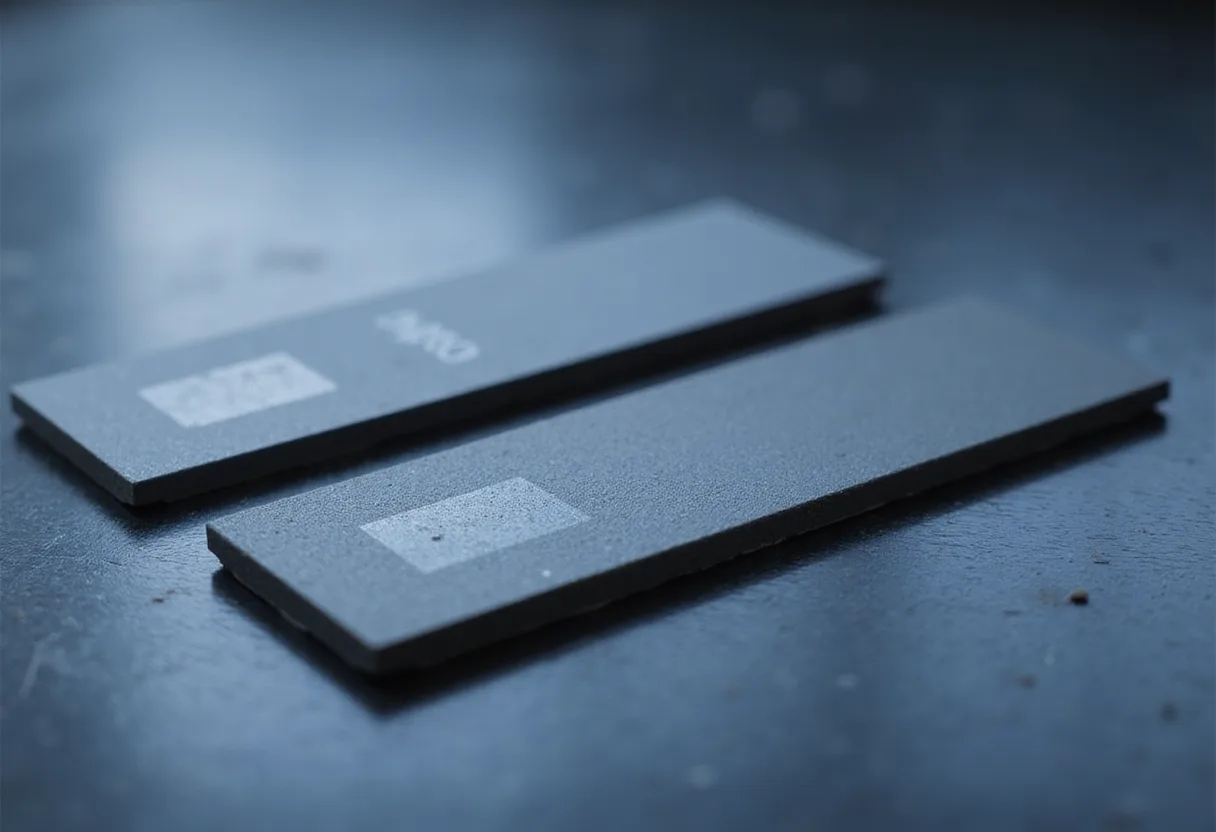
Bourns Adds ±3% Tolerance Options to AEC-Q200 Current-Sense Resistors
Bourns expands its AEC-Q200 CSS4C-1216 current-sense resistors with new resistance values and a ±3% tolerance option, rated up to 5 W at 100°C with sub-2 nH inductance.
- By
- Tom Whitfield
- Filed
- Channel
- Hardware & Components
- Read
- 3 min read
Bourns has expanded its CSS4C-1216 series of AEC-Q200-compliant current-sense resistors with new resistance values and tolerance options, including a ±3% tolerance offering. The parts handle up to 5 W at 100°C and are available now through the company's authorized distribution network.
The series sits squarely in the high-current measurement segment that matters most to automotive and industrial designers. Its stated applications include current sensing, battery-management systems, power modules, frequency converters, and industrial electronics. For engineers working on validated automotive platforms, the AEC-Q200 compliance matters because it supplies the reliability data those programs demand.
How the part achieves its accuracy
The construction choices explain most of the performance claims. The resistors use electron-beam welded metal strip construction, which supports long-term stability in current-sensing applications. Stability under heat and continuous load is the central requirement here, since the parts are built to maintain stable electrical characteristics at elevated temperatures.
Inductance is the other headline figure: less than 2 nH. Low inductance reduces measurement error in high-current circuits, where fast switching and large current steps would otherwise distort readings. This figure will be the key selection criterion for designers of frequency converters and power modules.
The four-terminal Kelvin configuration completes the accuracy story. By separating the current path from the sense leads, the Kelvin connection improves current measurement accuracy compared with conventional two-terminal parts. In plain terms, the sensed voltage no longer includes the voltage drop across the lead connections themselves.
What the specification sheet says
The confirmed capabilities of the CSS4C-1216 series are:
- Construction: Electron-beam welded metal strip, designed for excellent long-term stability in current-sensing applications.
- Power rating: Up to 5 W at 100°C.
- Inductance: Less than 2 nH, reducing measurement error in high-current circuits.
- Terminal design: Four-terminal Kelvin configuration for improved current-measurement accuracy.
- Qualification: AEC-Q200 compliance for automotive applications requiring validated reliability data.
The new additions to the line are the fresh resistance values and the tolerance options, with the ±3% band the tightest now offered. Tolerance selection directly sets the accuracy budget of a current-measurement circuit, so a ±3% option gives designers headroom in applications where calibration is limited or absent.
Where the demand comes from
Bourns positions the series as automotive-grade, but the target list is deliberately broad. Battery-management systems and power modules appear alongside frequency converters and general industrial electronics, which suggests the same part serves both vehicle electrification programs and factory power hardware.
The common thread is high current. As battery-management systems and industrial power stages push more current through smaller footprints, the sense resistor must survive continuous load while keeping its resistance value predictable over time. The e-beam welded strip construction and the sub-2 nH inductance figure are Bourns' answers to both constraints.
The takeaway: a tighter tolerance option on an already-qualified automotive part gives high-current designers one more graded step in their accuracy budget without a requalification cycle.
Full specifications and ordering information are available from Bourns through its standard product pages, and the series ships immediately through the authorized distribution channel.
Original: bourns.com
More from Tom Whitfield
Show full bio
Staff writer covering companies, deals and strategy in Semiconductors, chip manufacturing, hardware, AI compute at Chip Dispatch.
699 articles
Related articles
ti-s-res80a-q1-divider-handles-2-000-v-for-ev-sensing
TI's RES80A-Q1 Divider Handles 2,000 V for EV Sensing
aluminum-nitride-wafer-market-tracks-wide-bandgap-demand-0e210df1
Aluminum Nitride Wafer Market Tracks Wide-Bandgap Demand to 2035
st-l4983-pfc-controller-integrates-7a-totem-pole-driver-for-kilowatt-supplies
ST L4983 PFC Controller Integrates 7A Totem-Pole Driver for Kilowatt Supplies
onsemi-rolls-out-advanced-packaging-aimed-at-ev-inverter-efficiency-5f2c8257
onsemi Rolls Out Advanced Packaging Aimed at EV Inverter Efficiency