AI & Compute · 4 min read
Broadcom Recovers 1.8% After 12% Plunge on Google TPU Report
Broadcom rose 1.8% to $309.89 on November 23 as Nvidia's 31% rally lifted chips, but the stock stayed 10.6% below its November 19 close after a report of a one-million-unit Google TPU 8i cut.
Key takeaways
- Broadcom traded at $309.89, up 1.80%, on November 23 after a 12.19% plunge on November 20.
- Ming-Chi Kuo reported Google cut planned 2027 TPU 8i shipments by ~1 million units, about 20% of expected volume.
- Goldman Sachs cut its AVGO price target from $540 to $460 on November 18 while keeping a Buy rating.
- Fiscal Q3 revenue rose 86% to ~$29.6 billion; AI semiconductor revenue hit $16.7 billion, up 221%.
- Broadcom reports fiscal Q4 and full-year 2026 results after market close on December 9.
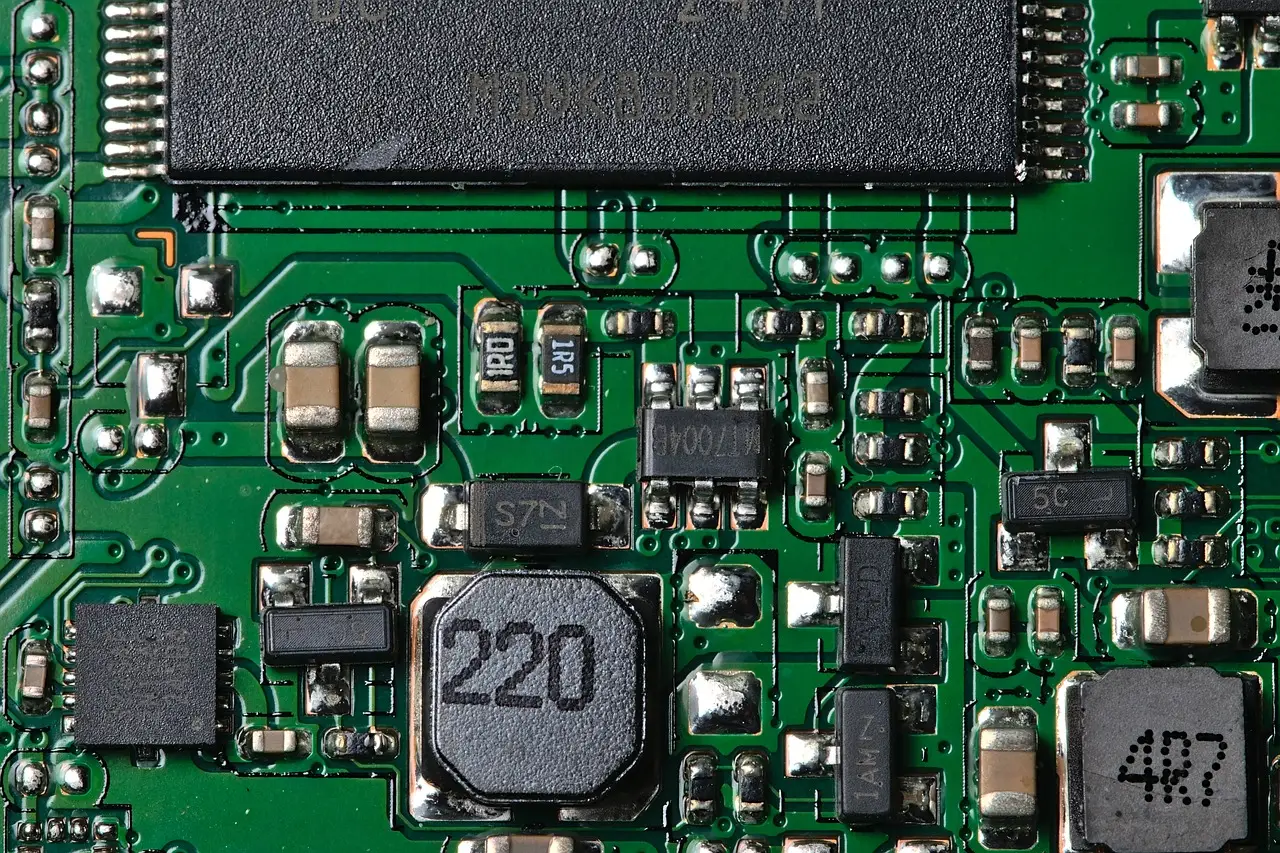
Broadcom (NASDAQ: AVGO) traded at $309.89, up 1.80%, at 2:46 p.m. Eastern Time on Monday, November 23 — a rebound that recovered only a fraction of the previous session's 12.19% decline. The recovery followed a supply-chain report that Google cut planned 2027 shipments of Broadcom-designed AI chips by roughly one million units.
Friday's drop was severe. Broadcom closed at $304.41 on November 20, down 12.19%, as a broader technology selloff combined with reports that Google was reducing planned shipments of a key custom chip. Monday's relief rally, driven by Nvidia's surge of approximately 31%, did not spread evenly. Broadcom opened at $320.86 and touched an intraday high of $324.46 before giving up most of the gain. At $309.89, the stock remained roughly 10.6% below its November 19 close. The takeaway: a sector-wide recovery does not answer a company-specific question about one customer's orders.
What did Ming-Chi Kuo actually report?
On November 20, TF International Securities analyst Ming-Chi Kuo said his latest industry survey indicated Google had reduced planned 2027 shipments of its Broadcom-designed TPU 8i series by approximately one million units — about 20% of the series' expected volume. The cuts concentrate in the higher-priced TPU 8i Max chips, also known as Whalefish.
Kuo indicated Google intends to increase shipments of the TPU 8t series, designed by Taiwan's MediaTek, though those plans are not finalized. The 8t family targets AI training workloads; the 8i family targets inference. The shift therefore points to a possible change in Google's hardware mix rather than an equivalent cut in total AI computing spend.
The one-million-unit figure cannot be translated directly into a revenue loss without knowing average selling prices, Broadcom's share of each chip's value, and whether alternative orders offset the reduction. A cut concentrated in higher-priced products could carry a disproportionate revenue impact relative to the percentage decline in shipments. The report is an analyst's supply-chain assessment — no company disclosure from Google, Broadcom or MediaTek had confirmed the reduction as of Monday.
How deep is the Google relationship?
Broadcom's ties to Google run well beyond one chip generation. An April 2026 SEC filing disclosed a long-term agreement covering future generations of Google's custom TPUs and networking components for next-generation AI racks, with arrangements extending through as late as 2031. The same filing confirmed an expanded collaboration with Anthropic, expected to access approximately 3.5 gigawatts of TPU-based compute capacity through Broadcom beginning in 2027. Anthropic drew additional market attention after its November Nasdaq debut at a $1.5 trillion valuation following an $81 billion IPO.
Those agreements establish a broader relationship than a single TPU design, but they do not guarantee that Google's purchases of every generation will remain unchanged.
What did Goldman Sachs change?
Goldman Sachs analyst James Schneider cut Broadcom's 12-month price target to $460 from $540 on November 18 — a reduction of approximately 14.8% — while maintaining a Buy rating. The revision preceded Kuo's report by two days and should not be read as a response to it. Goldman lowered the earnings multiple applied to Broadcom from roughly 30 times to 25 times, citing lower valuations across comparable semiconductor companies. At Monday's $309.89, the $460 target implied approximately 48.4% upside.
Where do the fundamentals stand?
Broadcom has fallen far from its June 2026 peak of $495, set on June 3, and its 52-week low stands at $289.77. At $309.89, the stock sits about 37.4% below the high and 6.9% above the low.
Recent results remain strong:
- Fiscal third-quarter revenue rose 86% year over year to approximately $29.6 billion.
- AI semiconductor revenue reached $16.7 billion, up 221% annually — about 56% of total revenue.
- Quarterly free cash flow came to $13.7 billion.
- Management guided to approximately $34.8 billion in fourth-quarter revenue, including $21.7 billion from AI semiconductors — implied AI growth of 236%.
Beyond Google, Broadcom sells AI networking equipment and runs other accelerator programs, and its infrastructure software business adds another revenue stream. These could cushion weaker orders from one chip program, though the size of any offset remains uncertain.
Why does December 9 matter?
Broadcom reports fiscal fourth-quarter and full-year 2026 results after the U.S. market close on Wednesday, December 9, with the earnings call at 5 p.m. Eastern Time. Investors will compare actual revenue against the $34.8 billion forecast and the $21.7 billion AI figure, but the fiscal 2027 outlook matters more. Guidance on custom accelerator shipments, Google's TPU mix, and revenue visibility from major AI customers would clarify whether the reported one-million-unit reduction is a material loss, a timing adjustment, or a reallocation within Google's own infrastructure plans. Monday's rebound shows AVGO can ride a wider recovery; the December 9 guidance will provide the real financial test.
financefeeds.com (Source)
More from Tom Whitfield
Show full bio
Staff writer covering companies, deals and strategy in Semiconductors, chip manufacturing, hardware, AI compute at Chip Dispatch.
1,244 articles