AI & Compute · 4 min read
Dell Books $60.2 Billion in AI Server Orders, Backlog Hits $132.3 Billion
Dell's Q3 FY2027 AI server bookings hit $60.2 billion with a $132.3 billion backlog, 7.2X higher year on year, as net income reaches 10.3 percent of revenue — a record for the company.
Key takeaways
- Dell booked $60.2 billion in AI server orders in Q3 FY2027 and holds a $132.3 billion backlog, up 7.2X year on year
- AI server revenue exceeded $22 billion against roughly $19 billion in guidance, 3.9X growth year on year
- Total revenue was $54.94 billion with net income of $5.67 billion, 10.3 percent of revenue — a modern-era record
- ISG operating income rose 4.1X to $7.12 billion, a 17 percent margin; PC segment margin was just 5.5 percent
- Nvidia disclosed a $2.5 trillion cloud industry backlog, estimated at up to $3.5 trillion total
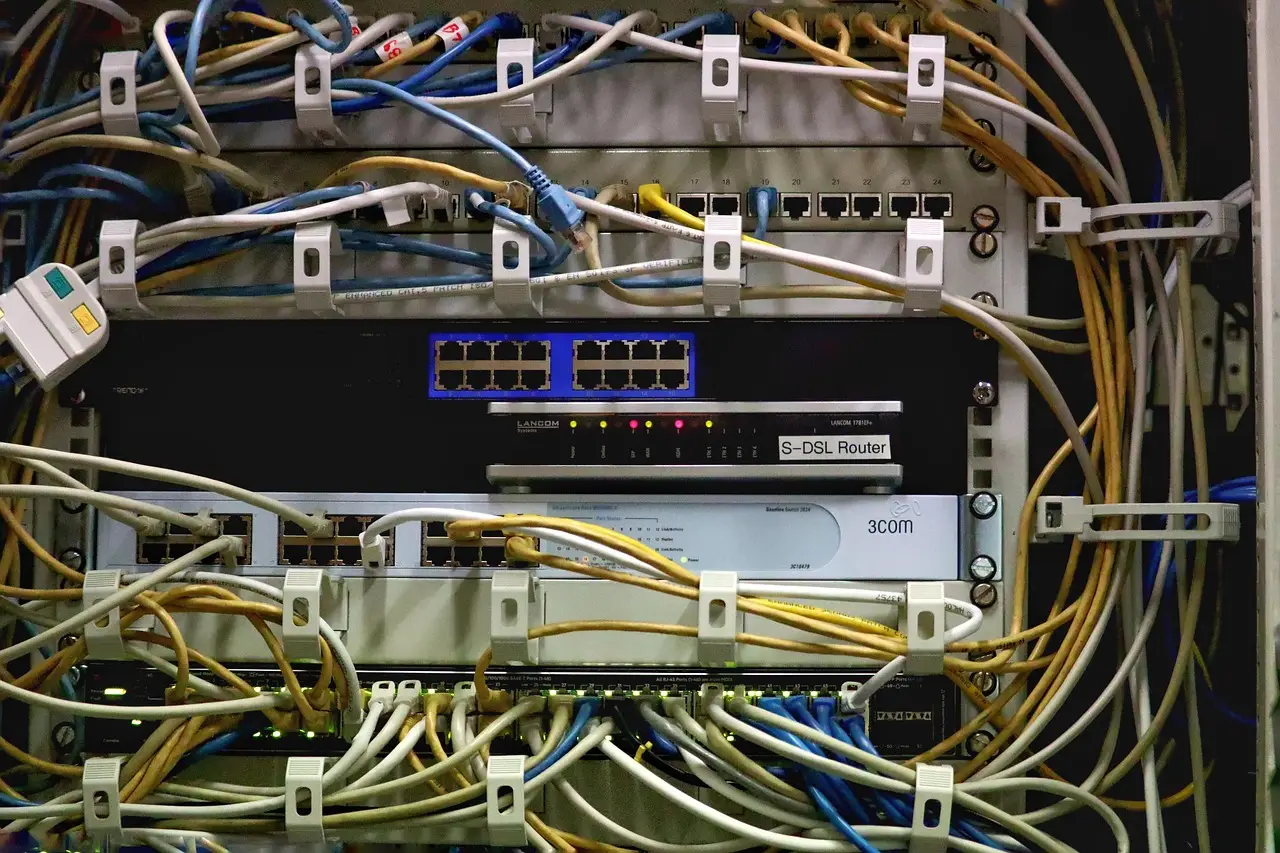
Dell booked $60.2 billion in new AI server orders in the third quarter of fiscal 2027 and closed the period with a $132.3 billion backlog of AI machinery, up 7.2X from a year earlier. The company delivered a bit more than $22 billion in AI server revenue against guidance of roughly $19 billion, a 3.9X increase year on year. Those numbers are large by any historical measure of the systems business. They are also, the source notes, a mere fraction of the $2.5 trillion cloud industry backlog Nvidia disclosed with its own results last week — a total that likely sits somewhere between $2.5 trillion and $3.5 trillion once AI model makers, enterprises, governments and academic institutions are counted.
What did the quarter actually earn?
Across its datacenter and PC businesses, Dell brought in $54.94 billion in total revenue, more than double year on year. Operating income rose 3.5X to $7.44 billion, and net income climbed 2.7X to $5.67 billion. That net income figure equals 10.3 percent of revenue, the highest level in Dell's modern incarnation. Product sales nearly tripled, rising 2.3X to $48.93 billion, while services grew a modest 4.6 percent to just over $6 billion. The balance sheet tells a more ambivalent story: $16.26 billion in cash and investments, up 43.5 percent, against a debt pile that grew 20.7 percent to $37.7 billion.
The Infrastructure Solutions Group, which sells servers, storage, switching and related services, now represents more than three quarters of total company revenue. Within ISG, servers and networking drove a bit over $37 billion in revenue, up 3.65X year on year and up 37.5 percent sequentially from Q2 F2027. Storage revenue rose 23.8 percent to $4.93 billion. ISG operating income was up 4.1X year on year to $7.12 billion, a 17 percent operating margin.
The Client Solutions Group, by contrast, posted $12.89 billion in sales, up 3.3 percent, with operating income of $704 million, down 5.9 percent and equal to just 5.5 percent of revenue. The PC division now resembles a rounding error next to the machine rooms.
How does Dell turn backlog into cash?
Jeff Clarke, vice chairman and chief operating officer at Dell, told Wall Street analysts on the earnings call: "Behind every customer engagement and every order is a rigorous due diligence process, resulting in a fully vetted backlog. Every AI order is vetted for access to capital, end customer quality, trade and export compliance and access to land and power." He added that each design is bespoke, optimized through multiple iterations with the customer, and that Dell has "a high conviction that our backlog will convert to revenue." Enthusiasm is easy in the age of GenAI. Getting the cash is the hard part.
Dell also claimed it can move customers from cluster delivery to first tokens generated in a little over six hours, because machines are preconfigured and pretested at the factory. That capability, the source observes, is precisely what is hard about scaling AI cluster production: you must build a massive datacenter to test machines before they go on a truck, and only about a dozen companies worldwide — ODMs or OEMs behaving like ODMs — can do this at scale. Dell now counts more than 7,500 AI server customers, an increase of 1,000 since Q2 F2027.
What is carrying the traditional server boom?
The non-AI server business is growing at rates unseen in four decades, including the Dot Com boom. Two forces drive it. First, agentic AI sandboxes — where AI tasks actually execute — complement inference systems that decide which tasks to run. Second, large quantities of relatively ancient server iron populate enterprise, government and service provider datacenters. Even with higher CPU, DRAM and flash prices for core-laden systems, the economics favor replacing old machines to free up space, electricity and capacity for AI inference. This is an unexpected bonus for ODMs and OEMs alike.
One caveat on the numbers: the server share data cited in the source covers the X86 market only and ignores the growing fleets of Arm-based servers that hyperscalers and cloud builders deploy from their own chip and system designs. Dell's storage business, meanwhile, is gaining share against peers, even if its growth rate looks pedestrian next to the server lines.
Dell's share of the GenAI windfall remains roughly proportional to its overall systems and storage position, but with AI clusters becoming moderately more profitable and traditional servers booming, the source suggests Dell's datacenter margins have room to climb further in coming quarters.
The Next Platform (Source)
More from Nathan Brooks
Show full bio
Senior reporter covering people, launches and day-to-day practice in Semiconductors, chip manufacturing, hardware, AI compute at Chip Dispatch.
1,272 articles