Tech BusinessLOT 261122 · 3 min read
Ferroglobe Posts $370M Q3 Revenue Yet Negative EBITDA
Ferroglobe's Q3 revenue rose 19% to about $370 million while EBITDA and EPS turned negative; five plant closures and $115M in targeted EBITDA gains anchor its recovery plan.
Key takeaways
- Ferroglobe Q3 revenue rose nearly 19% to roughly $370 million, with EBITDA and EPS both negative.
- The restructuring plan includes five plant closures and a 20% overhead reduction.
- Management targets 80% utilization and more than $115 million in annual EBITDA improvement.
- The analyst rates GSM a speculative Buy with a $5 price target.
- Key risks cited: energy prices, Chinese competition, and restructuring execution.
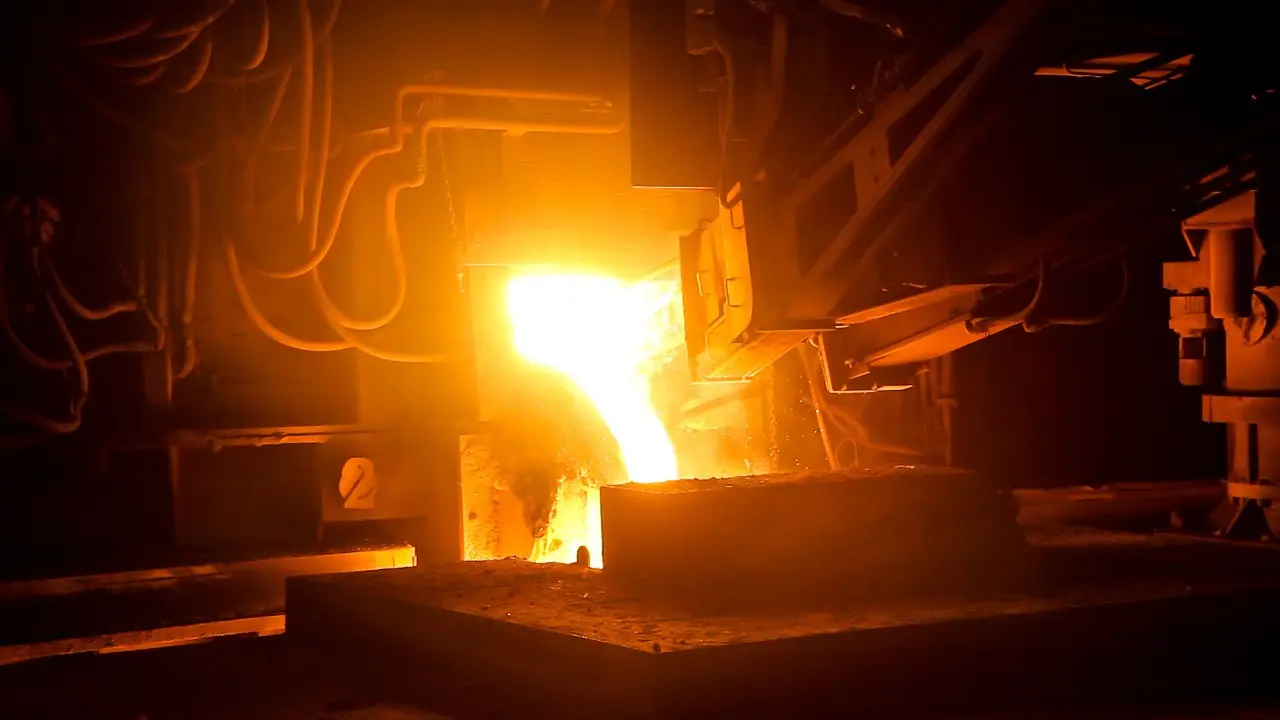
Ferroglobe PLC grew third-quarter revenue almost 19% year over year to roughly $370 million, yet still reported negative EBITDA and negative earnings per share. The gap between rising sales and falling profits defines the company's current position, and it explains why the silicon and ferroalloy producer is now executing one of the most aggressive restructurings in its sector.
The numbers come from a recent analyst assessment published under the Wolf of Value banner on Seeking Alpha, which covers Ferroglobe's third-quarter results and its recovery plan. The author, who holds no current position but may initiate a long position in the ticker GSM within 72 hours, rates the stock a speculative Buy with a $5 price target.
What went wrong in the quarter?
Revenue climbed nearly one-fifth, but the cost base climbed faster. Energy prices, which weigh heavily on silicon metal and ferroalloy production, and pressure from Chinese competitors squeezed margins until both EBITDA and EPS flipped negative. The author frames the outcome bluntly: Ferroglobe is "far from a stable or conservative company."
That volatility is not new. The same analyst, in an earlier introductory piece on the company, called the stock speculative, and the latest article keeps that label while arguing the downside is now better understood. Poor share performance and swinging earnings are, in this reading, the price of owning a cyclical producer at the bottom of its cost curve story.
What is the restructuring plan?
Management's response is concrete and measurable. The plan has four load-bearing elements:
- Five plant closures across the production network
- A 20% cut to overhead costs
- Target utilization of 80% across the remaining footprint
- More than $115 million in annual EBITDA improvement as the stated goal
The logic is simple. Closing high-cost plants removes the capacity that drags on margins when energy is expensive. Cutting overhead shrinks the fixed cost layer that survives even when furnaces idle. Running the remaining plants at 80% utilization keeps pricing discipline in a market where oversupply, particularly from Chinese producers, has undercut Western producers.
The $115 million figure is the plan's anchor. If management delivers it, the analyst argues, recovered earnings underpin the valuation case and the $5 target. If execution slips, the same arithmetic works in reverse.
What are the risks?
The article names three, and none is minor:
- Energy prices. Silicon metal production is electricity-intensive, so power costs move results faster than almost any other input.
- Chinese competition. Chinese supply has repeatedly compressed global prices for silicon and ferroalloys, and Western producers have limited ability to offset it.
- Restructuring execution. Five closures and a fifth of overhead removed is a large operational change for a company the analyst himself calls unstable.
Each risk can delay or erase the projected EBITDA recovery on its own, and the author does not pretend otherwise. The speculative tag stays attached even with the Buy rating.
Why does this matter beyond one ticker?
Ferroglobe sits upstream of the semiconductor and aluminum supply chains as a producer of silicon metal and ferroalloys, the raw material layer of the electronics economy. When a producer of that scale closes five plants to defend margins, the move signals where raw-material pricing and energy costs currently sit for the whole Western materials base.
The disclosure notes attached to the piece carry their own weight. The author is not a licensed financial adviser, holds no positions in the mentioned companies at time of writing, and may buy GSM shares or call options within 72 hours, a fact readers should weigh when evaluating the $5 target.
The takeaway in plain words: revenue is growing, the cost base is not yet under control, and the $115 million restructuring plan is the bridge between the two. Whether that bridge holds depends on energy prices, Chinese supply, and management's ability to actually close what it has promised to close.
seekingalpha.com (Source)
More from Tom Whitfield
Show full bio
Staff writer covering companies, deals and strategy in Semiconductors, chip manufacturing, hardware, AI compute at Chip Dispatch.
1,200 articles