Semiconductors · 2 min read
Fujitsu Sees Strong Demand for 2nm Monaka Server Chip as Buyers Diversify
Fujitsu projects 500,000 Monaka chips sold over two years and ¥35 billion in sales next fiscal year as buyers seek alternatives to US and Chinese suppliers.
Key takeaways
- Fujitsu began commercial sales of the 2nm Monaka server processor in November 2025.
- Fujitsu projects about 500,000 Monaka chips sold over two years and ¥35 billion (about $220 million) in sales next fiscal year.
- Most of the 45 companies that received Monaka samples in August are expected to place orders, CTO Vivek Mahajan told Bloomberg.
- One customer running about 30,000 servers could need more than 200,000 processors; Fujitsu is discussing capacity with TSMC.
- Fujitsu targets ¥500 billion in annual chip revenue by 2035, a goal Mahajan said could be reached a few years early.
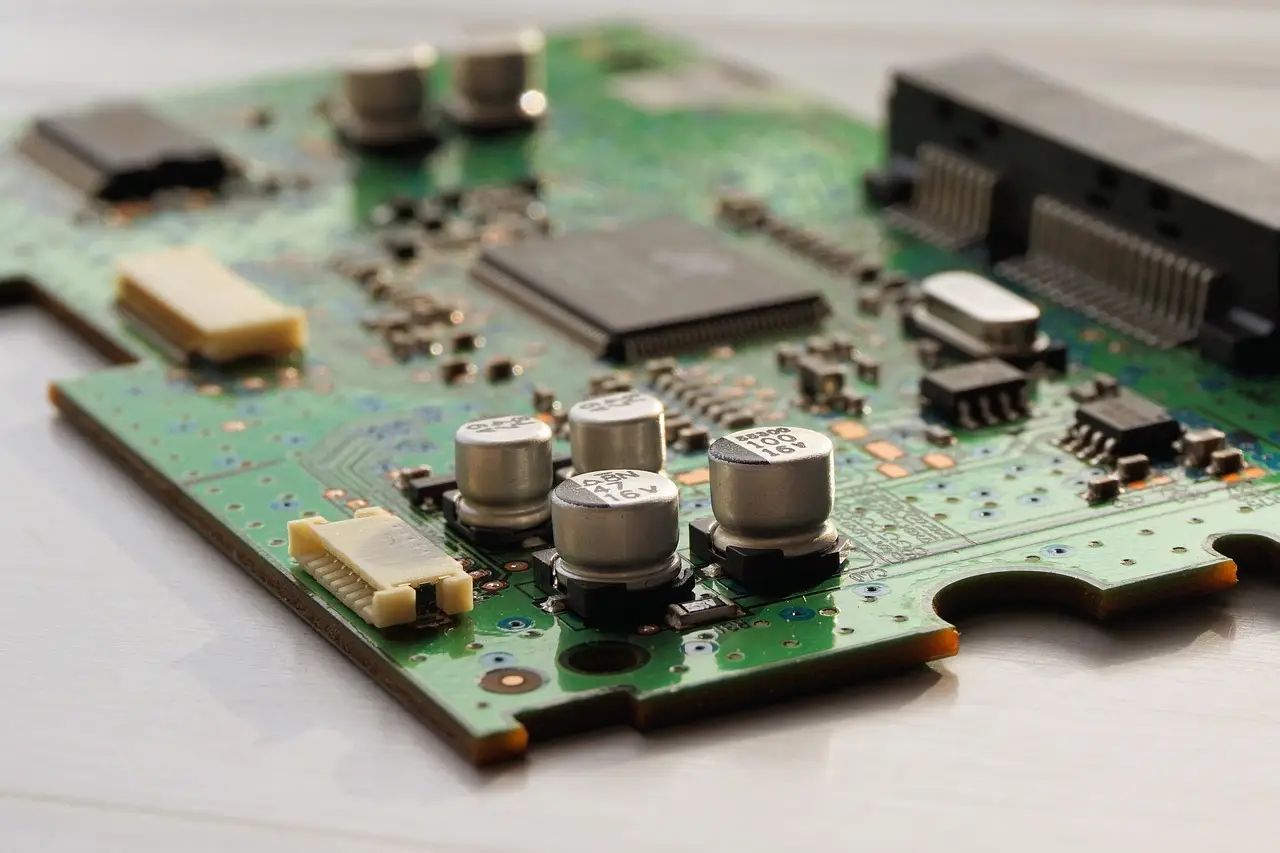
Fujitsu expects to sell about 500,000 Monaka server processors over two years, and the company projects ¥35 billion, roughly $220 million, in Monaka sales next fiscal year. Chief technology officer Vivek Mahajan told Bloomberg on Tuesday, Nov. 24, that initial demand exceeds what the company anticipated.
Fujitsu began commercial sales of the 2-nanometer chip this month. Mahajan said most of the 45 companies that received Monaka samples in August are expected to place orders. Fujitsu is now discussing production capacity with TSMC, which it had already named as the manufacturing partner in 2025.
Why are buyers looking beyond Intel and Nvidia?
Mahajan said customers in Japan, the United States and Europe want domestic or alternative technology for defence, finance, manufacturing and the public sector. Data sovereignty and security rank among the stated reasons. Buyers are seeking options outside both US and Chinese suppliers, according to the interview.
The commercial logic follows from Fujitsu's history. The company has mostly used its processors in its own systems, including the Fugaku supercomputer. Selling Monaka to outside cloud operators and server vendors opens a revenue stream the company has not had before.
How big is one customer's appetite?
The demand could strain supply quickly. Mahajan pointed to one customer running roughly 30,000 servers that could need more than 200,000 processors on its own. Against a two-year plan of 500,000 chips, a handful of such accounts would absorb most of the output, which explains the capacity talks with TSMC.
The company frames the chip as a long-term revenue engine. Fujitsu says annual chip revenue could reach ¥500 billion by 2035, and Mahajan indicated the target could be met a few years early.
What kind of chip is Monaka?
Monaka uses Arm's architecture and takes a 3D-stacked approach: 2-nanometer compute cores sit above 5-nanometer cache and I/O sections. The processor runs at up to 3.8GHz and supports memory speeds of 8,800MT/s. Fujitsu claims it delivers twice the AI inference throughput of other CPUs.
Fujitsu sells the chip in two forms. It offers the processor standalone to cloud and data center operators and to server vendors, and it builds the chip into its own Monaka Server at its Kasashima plant in Japan.
The market Fujitsu is entering is dominated by Intel and AMD. Both incumbents face growing competition from Arm-based processors and from Nvidia, which has pushed its own server silicon. Monaka therefore arrives into a market that is already shifting, and Fujitsu is counting on sovereignty concerns to open doors that raw performance alone might not.
The takeaway is straightforward: Fujitsu has a 2nm Arm server chip in commercial production, more customers than it planned for, and a supply conversation with TSMC that will decide how much of that demand it can convert into the ¥35 billion it expects next fiscal year.
mlq.ai (Source)
More from Tom Whitfield
Show full bio
Staff writer covering companies, deals and strategy in Semiconductors, chip manufacturing, hardware, AI compute at Chip Dispatch.
1,257 articles