Gilat cuts 2026 revenue outlook by $45 million on launch delays
Gilat cut its 2026 revenue forecast to $455-475 million from $500-520 million, blaming LEO and GEO launch delays that pushed network equipment orders out to early 2027.
- By
- Sophie Lindqvist
- Filed
- Channel
- Tech Business
- Read
- 3 min read
Gilat Satellite Networks cut its 2026 revenue forecast by roughly $45 million at the midpoint, to $455 million to $475 million from $500 million to $520 million, citing satellite launch delays that pushed out orders for its ground network equipment. The Israeli company also trimmed its adjusted EBITDA guidance to $61 million to $63 million from $61 million to $66 million, according to its Nov. 10 third-quarter release. The cut lands at the bottom line of the range, not the top. That detail matters.
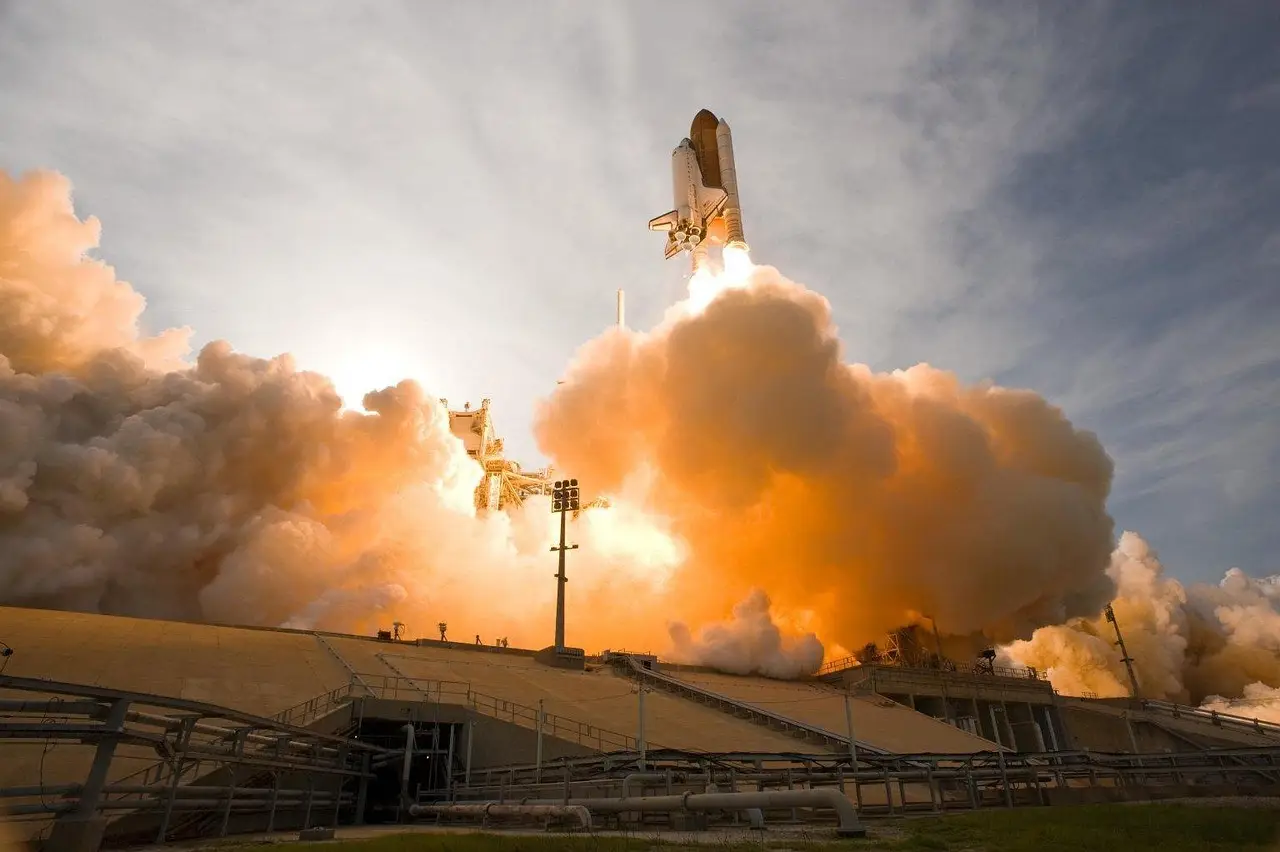
CEO Adi Sfadia was direct about the cause. "Continued delays in LEO and GEO satellite development and launches, partly due to launch options scarcity, have pushed out the expected timing of certain network equipment orders," Sfadia said in the release. Gilat also rescheduled some in-flight connectivity terminal deliveries while it renegotiates commercial terms, and Peru agreements reached later than expected moved some revenue into 2027.
What did the third quarter actually show?
Revenue was flat. The quarter ended Sept. 30 brought $116.2 million, against $117.7 million a year earlier. Margins improved anyway:
- Gross profit rose 17% to $40.8 million; gross margin hit about 35% from about 30%, by MLQ.ai's calculation from the release.
- GAAP operating income rose 5% to $7.9 million; GAAP net income rose 7% to $8.7 million.
- Adjusted EBITDA rose 13% to $17.6 million, with margin widening to 15%.
- Non-GAAP net income rose 21% to $14.3 million.
Sfadia credited cost and pricing discipline for offsetting weaker currency conditions and bad-debt write-offs tied to Hughes Network Systems' Chapter 11 filing. Cash and short-term deposits reached $260 million, including about $99 million of net proceeds from $100 million of convertible notes issued during the quarter.
The segment split tells the sharper story. Defense revenue grew 53% year over year to about $37 million, Via Satellite reported from the earnings call. Commercial revenue fell 4% to about $70 million, and Peru dropped by more than half. Gilat is becoming a defense business with a commercial attachment, and the guidance cut shows the attachment is what wobbles.
How much of the fourth quarter disappeared?
The arithmetic is blunt. Gilat booked $349.4 million of revenue in the first nine months. The old range implied fourth-quarter revenue of about $151 million to $171 million. The new range implies about $106 million to $126 million, by MLQ.ai's calculation. A steep fourth quarter is gone.
In August, the company described its outlook as roughly 13% growth at the midpoint. Via Satellite reported the new guidance equals about 3% growth. Ten points of growth evaporated in one revision.
On the call, Sfadia said one large LEO constellation customer pushed back deliveries of Gilat's solid-state power amplifiers because of launch availability. He said GEO launch delays mean "there are relatively no new networks that are up for grabs." He expects orders to pick up from early 2027. That is a forecast, not a booking. The release does not say how much revenue the Peru slip alone moved, nor when the renegotiated IFC terms will settle.
Where does Gilat go next?
Sfadia said vertically integrated LEO providers are taking share from traditional GEO operators, which he said reinforces Gilat's shift toward defense. The company's acquisition of most of Comtech's Satellite and Space Communications business awaits CFIUS approval and is still expected to close by year-end. Gilat says the deal will more than double defense revenue in 2027, and Via Satellite reported the Comtech unit should add more than $180 million in annual revenue.
Those figures are projections. CFIUS approval is not guaranteed, and the closing date has already been stated once before. If launches stay scarce into 2027, the recovery Gilat expects from early that year could slip again, and the defense pivot would have to carry more weight than the company has yet proven.
Source: mlq.ai
More from Sophie Lindqvist
Show full bio
News editor covering money, funding and market shifts around Semiconductors, chip manufacturing, hardware, AI compute at Chip Dispatch.
894 articles
Related articles
arista-reports-3-66-billion-quarter-targets-10-gw-of-ai-networking
Arista Reports $3.66 Billion Quarter, Targets 10 GW of AI Networking
amprius-lifts-outlook-to-145-million-after-83-sales-jump
Amprius Lifts 2026 Outlook to $145 Million After 83% Sales Jump
ast-spacemobile-targets-45-satellites-by-mid-as-revenue-triples
AST SpaceMobile Targets 45 Satellites by Mid-2027 as Revenue Triples
arista-posts-first-3-billion-quarter-lifts-outlook-by-1-1-billion-a1e85574
Arista Posts First $3 Billion Quarter, Lifts 2026 Outlook by $1.1 Billion