GlobalFoundries Picked for Two New Malta Chip Fabs in $21B Push
GlobalFoundries has been picked to host two new fabs at its Malta, New York campus under a $21 billion U.S.-Japan investment push, WRGB reports.
- By
- Grace Kim
- Filed
- Channel
- Chip Manufacturing
- Read
- 3 min read
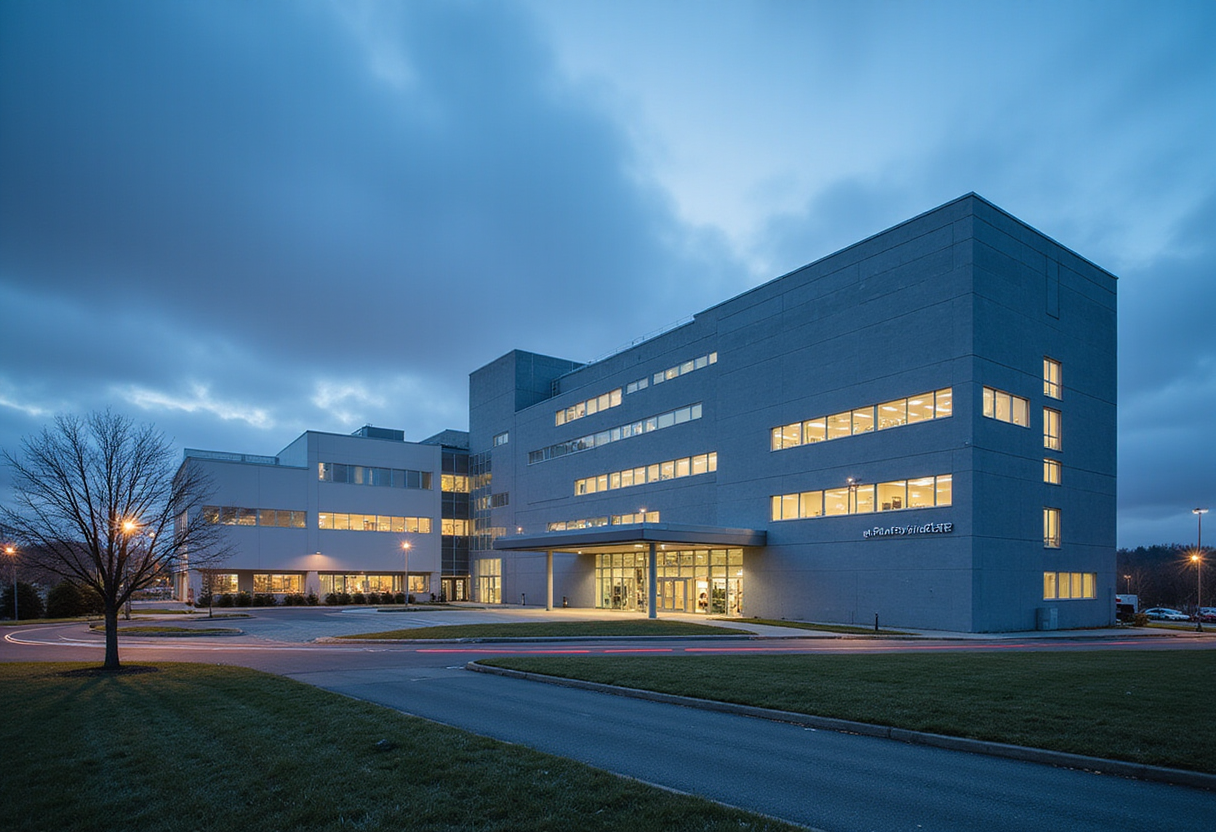
GlobalFoundries has been picked to host two new chip fabrication plants at its Malta, New York site, inside a $21 billion U.S.-Japan investment push. The report comes from WRGB, the CBS affiliate in Albany. The figure marks one of the largest disclosed commitments tied to the upstate New York semiconductor cluster this cycle.
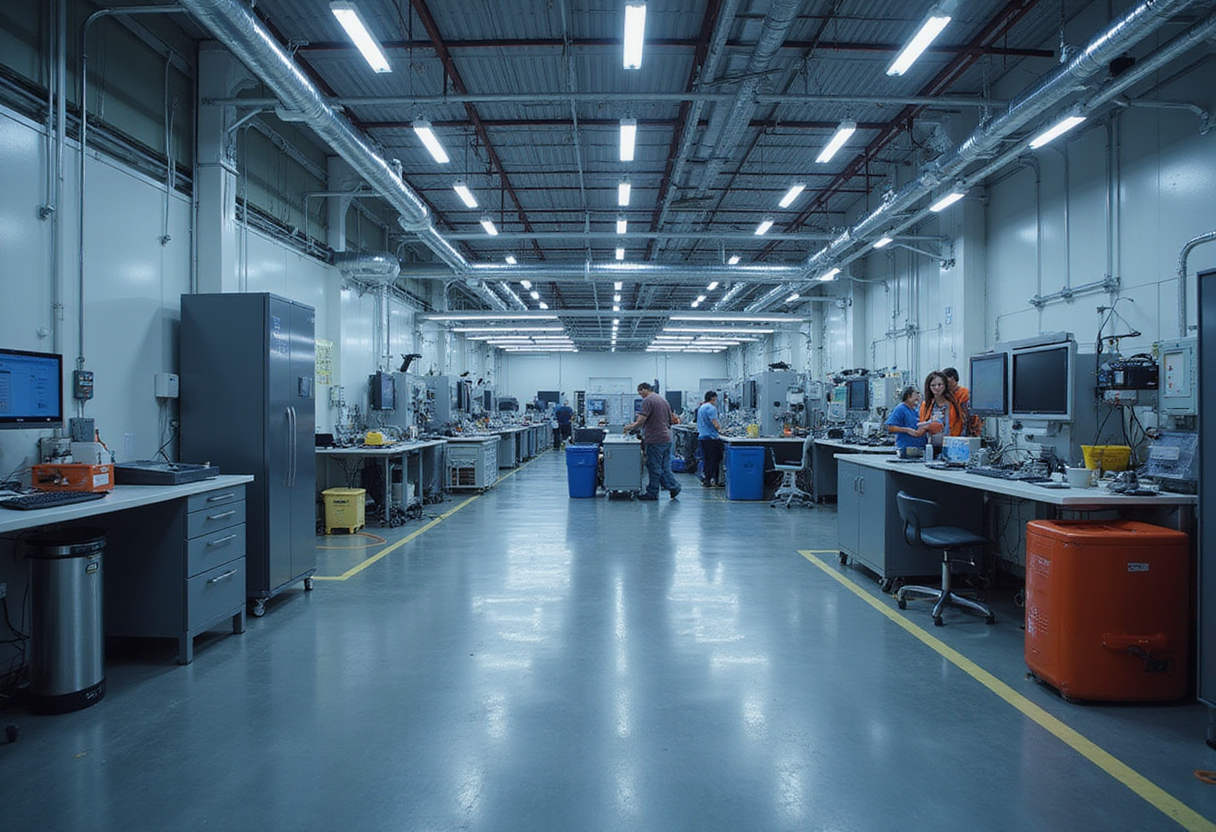
The two fabs would sit alongside GlobalFoundries' existing Malta campus, which already runs volume production for automotive, aerospace and IoT customers on 300mm wafers. Malta is the company's most advanced U.S. site. GlobalFoundries operates its leading processes there rather than in Dresden or Singapore.
WRGB framed the selection as part of a joint American-Japanese financing effort. The $21 billion program spans both countries. Japan's government has spent heavily since 2022 to rebuild domestic chip capacity through Rapidus and the Kioxia-Western Digital consolidation, and U.S. counterpart spending under the CHIPS Act has anchored new plants in Arizona, Ohio and Texas. Malta now joins that map as a direct beneficiary of cross-border capital.
What does the selection change for Malta?
Two additional fabs would materially expand the site's output footprint. GlobalFoundries has not disclosed a capacity figure for the new plants in the report. The company specializes in mature and specialty nodes rather than leading-edge lithography. Its fabs produce chips on process technologies the auto and industrial sectors still depend on.
That positioning matters for the current supply picture. Mature-node capacity remains tight for automotive microcontrollers and power management ICs. Analysts have flagged extended qualification cycles at carmakers as a persistent drag on chip delivery schedules. Additional specialty capacity in New York would ease that pressure for U.S.-based customers over time.
The U.S.-Japan framing also carries procurement weight. Washington and Tokyo have coordinated export controls and supply chain screening since 2023. Joint investment in a U.S. fab site gives both governments a stake in non-Taiwan specialty capacity. Malta sits 30 minutes from Albany NanoTech, the research complex that anchors New York State's semiconductor incentive strategy.
How firm are the numbers?
The $21 billion figure is the confirmed investment headline from the report. WRGB did not break down the split between the two fabs, nor between U.S. and Japanese commitments. No timeline for groundbreaking or tool move-in appears in the report. Readers should treat the two-fab plan as a selection and a funding envelope, not a construction schedule.
GlobalFoundries has expanded Malta before. The site has absorbed successive capacity additions since CHIPS-era incentives took effect. Each prior round added cleanroom space and wafer output rather than new buildings at this scale. Two full fabs would represent a step change for the campus.
Who gains if the fabs proceed?
The direct beneficiaries cluster in three groups:
- Automotive and industrial buyers facing long lead times on mature-node chips
- New York State, which has committed billions in semiconductor subsidies centered on the Albany-Malta corridor
- Japanese equipment and materials suppliers, who typically secure orders when domestic firms co-invest abroad
The report does not name the Japanese partners in the program. It does not specify which Japanese firms would fund or equip the Malta plants. GlobalFoundries declined to provide capacity or revenue projections in the WRGB account, and no process node for the new fabs was confirmed.
For context on scale, $21 billion sits near the cost of a single leading-edge fab complex, but funds far more capacity when spread across specialty nodes, where tool costs run lower than extreme-ultraviolet lithography lines. GlobalFoundries does not use EUV at Malta.
What comes next?
Construction timing, capacity targets and the Japanese co-investor identities remain open questions. If the two fabs proceed on the reported envelope, Malta would become one of the largest specialty-node production sites in the United States, and GlobalFoundries would deepen its hold on automotive-grade silicon supply at a moment when carmakers are still rationing microcontrollers.
Source: Google News: semiconductors
More from Grace Kim
Show full bio
Market editor covering people, launches and day-to-day practice in Semiconductors, chip manufacturing, hardware, AI compute at Chip Dispatch.
477 articles
Related articles
globalfoundries-picked-to-run-two-new-malta-fabs-under-us-japan-plan-11f2aa34
GlobalFoundries Picked to Run Two New Malta Fabs Under US-Japan Plan
japan-commits-up-to-21-billion-to-two-us-fabs-under-globalfoundries-c2e03fb4
Japan Commits Up to $21 Billion to Two US fabs Under GlobalFoundries
globalfoundries-to-run-two-new-york-fabs-under-u-s-japan-program-b943cf2d
GlobalFoundries to Run Two New York Fabs Under U.S.-Japan Program
globalfoundries-to-run-two-new-york-fabs-under-21-billion-plan-26687bae
GlobalFoundries to Run Two New York Fabs Under $21 Billion Plan