Memory & StorageLOT 261119 · 3 min read
Google to Buy HBM Directly for MediaTek-Built TPU 8t, Bypassing Broadcom
Google will buy HBM directly for its MediaTek-built TPU 8t, cutting Broadcom's 15-20% turnkey markup and reshaping price talks with Samsung, SK hynix and Micron.
Key takeaways
- Counterpoint Research estimates Broadcom's turnkey model adds 15-20% to HBM costs.
- Google's first chip under the new model is the TPU 8t, code-named Zebrafish, built with MediaTek.
- DigiTimes (Nov. 19) and Chosun Biz (Nov. 18) reported the direct-purchase plan; neither Google nor Broadcom commented.
- SK hynix proposed custom HBM co-design after a February Chey Tae-won–Sundar Pichai meeting; Samsung signed an HBM/foundry/packaging MOU with Broadcom in July.
- Samsung is also developing custom HBM4E for Meta's AI chips, per a Korean outlet.
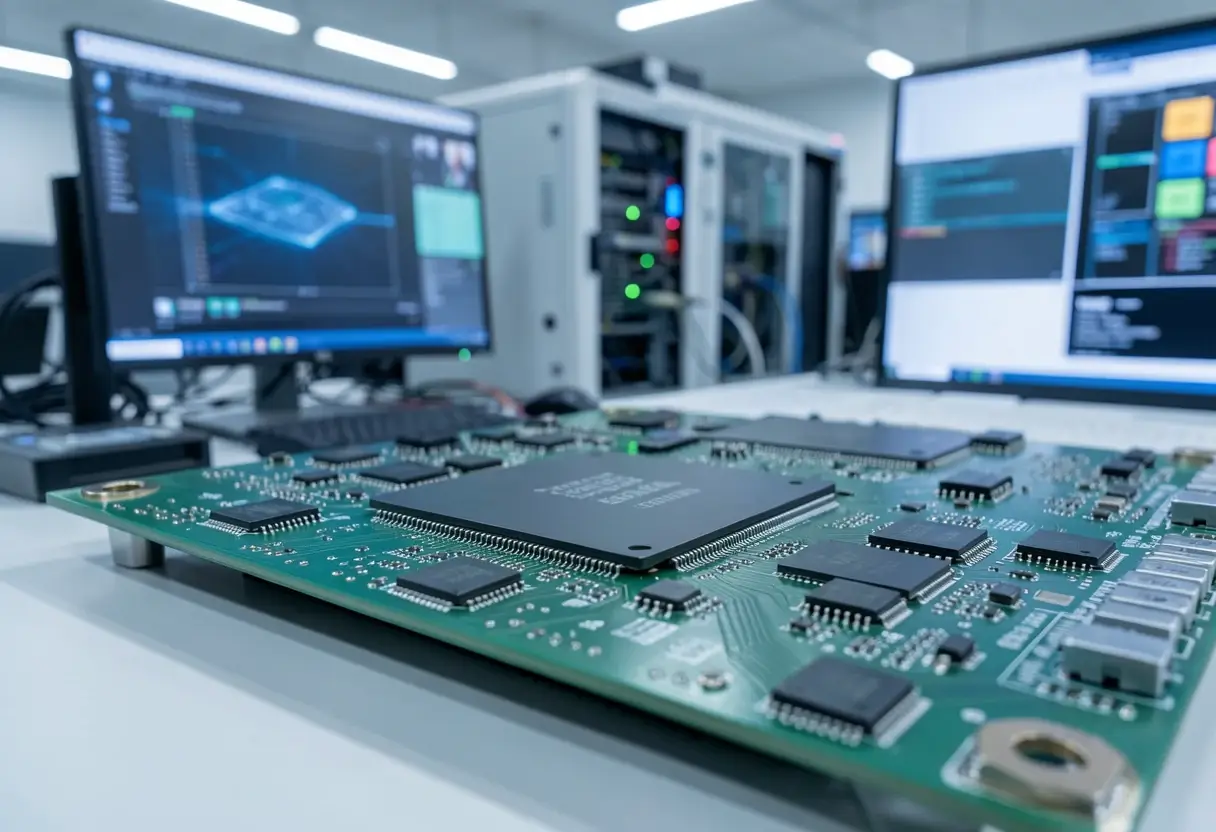
Google plans to buy high-bandwidth memory directly from Samsung Electronics, SK hynix and Micron Technology for the AI chips it is building with MediaTek, a shift that could cut billions of dollars from its procurement bill, DigiTimes reported on Nov. 19. The move would end Google's reliance on Broadcom as the middleman for HBM purchases on its Tensor Processing Units.
Korea's Chosun Biz reached the same conclusion a day earlier, on Nov. 18, reporting through TrendForce that Google wants direct HBM purchases to gain more control over AI chip costs. None of the reports carried comment from Google or Broadcom.
Why the middleman matters
Google has historically bought a bundle from Broadcom: TPU design, packaging and HBM procurement in one package, according to TrendForce's account of the Chosun Biz report. Buying the memory itself strips out the intermediary markup and the design partner's margin, which lowers the total cost of each TPU.
Counterpoint Research has put a number on that markup. Broadcom's turnkey model adds 15 to 20 percent to HBM costs, the firm estimates. Doing the design and memory buying in-house "eliminates the intermediary fee and lowers its overall cost," Counterpoint research associate David Wu told The Korea Herald on Nov. 11. The savings would apply starting with the TPU 8t, the chip code-named Zebrafish that Google is developing with MediaTek partly to move away from Broadcom's turnkey model.
The takeaway: Google is trading a single-vendor bundle for direct control of the single most expensive component in an AI accelerator.
What changes for the memory makers?
A customer that negotiates its own memory contracts holds more leverage on price and terms. TrendForce's summary of the Chosun Biz report warns this could pressure the profitability of Samsung, SK hynix and Micron — the three HBM suppliers — over time.
The near-term picture still favors the suppliers. HBM remains short of demand, and existing contracts lock in volumes. But an industry source told the outlet that some long-term memory contracts already include price ceilings, which would blunt any attempt to raise prices as large buyers gain bargaining power.
The takeaway: direct purchasing shifts negotiating strength toward Google gradually, not overnight, because today's shortage still protects the sellers.
How Samsung and SK hynix are chasing the business
The two Korean memory makers are approaching the opportunity from opposite directions. SK hynix proposed jointly designing customized HBM for future Google TPUs, following a February meeting between SK Group Chairman Chey Tae-won and Google CEO Sundar Pichai, The Korea Herald reported.
Samsung is staying inside the Broadcom channel for now. It signed a memorandum of understanding with Broadcom in July that covers HBM, foundry and packaging, and is pursuing the Google business through that partnership. Separately, a Korean outlet reports Samsung is developing custom HBM4E for Meta's AI chips — a sign that bespoke memory deals are spreading beyond Google.
The takeaway: memory suppliers are splitting between courting Google directly, as SK hynix does, and defending the Broadcom bundle, as Samsung does.
What happens next?
The transition begins with the TPU 8t, code-named Zebrafish, built with MediaTek. If Counterpoint's 15-to-20-percent markup estimate holds across Google's HBM volumes, the savings reach into the billions of dollars, as DigiTimes suggested. Google and Broadcom have not commented, so the scale of the shift and its timing remain unconfirmed. What is clear is that a hyperscaler of Google's size buying HBM directly would rewrite how the three memory makers price and structure contracts with their largest customers.
mlq.ai (Source)
More from Tom Whitfield
Show full bio
Staff writer covering companies, deals and strategy in Semiconductors, chip manufacturing, hardware, AI compute at Chip Dispatch.
1,103 articles