Chips & Policy · 4 min read
Huang Must Testify Before Two Committees Despite Nvidia Reinstatement
Nvidia reinstated Jensen Huang as CEO, but Congress proceeds: transcribed interviews December 1-2 and a public Senate Banking hearing December 3 on AI chip smuggling to China.
Key takeaways
- Huang and general counsel Tim Teter face the Select Committee on China on December 1 and 2, 2023-style transcribed interviews.
- Bloomberg reports Huang will testify publicly before the Senate Banking Committee on December 3 — his first formal congressional hearing.
- Alice Huang allegedly helped secure over $7.5 billion in illicit Nvidia GPU imports to China.
- The U.S. first imposed export controls on Nvidia H100 chips in 2022 over military-use concerns.
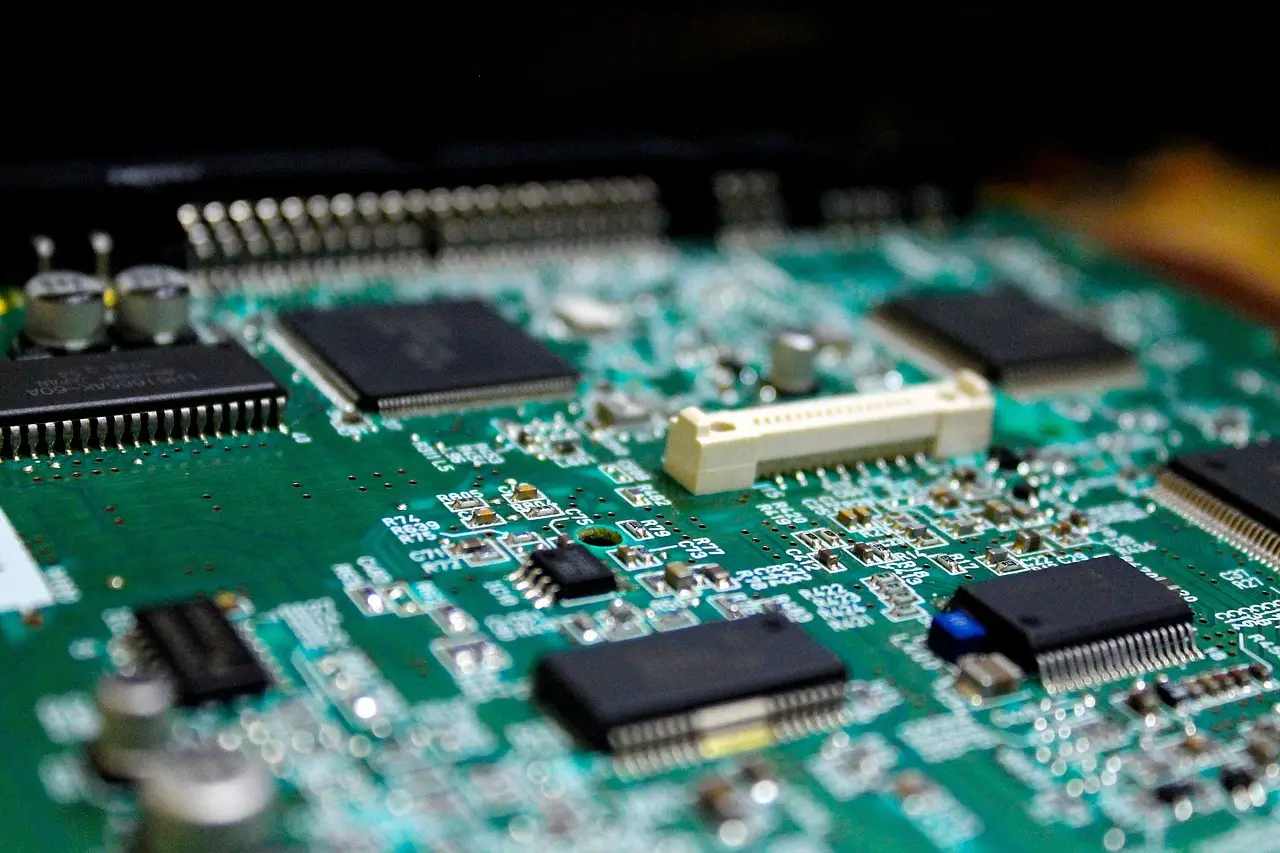
Nvidia CEO Jensen Huang will testify before two congressional committees in the first week of December despite his reinstatement as chief executive earlier this week under pressure from President Donald Trump. The Select Committee on China has scheduled Huang for a transcribed interview on December 1, with general counsel Tim Teter to follow on December 2. Bloomberg reports that Huang will then testify publicly before the Senate Committee on Banking, Housing, and Urban Affairs on December 3.
The December 3 hearing will mark the first time Huang faces a formal congressional hearing. The Senate Banking session is open to the public and will be broadcast live and online. By contrast, the Select Committee on China interview will be private, with a transcript produced but no clear timetable for public release.
Why does the reinstatement not end the matter?
Lawmakers say the board's internal review does not close the questions surrounding Nvidia's supply chain and its chief executive. The Select Committee on China posted its position on X following Huang's reinstatement.
"The NVIDIA board's brief internal investigation and reinstatement of Jensen Huang do not erase the national security threats and questions that must be addressed," the committee said. "We remain committed to getting answers on the mass smuggling of NVIDIA products, their diversion for Chinese military purposes, and their key role in advancing our foremost adversary's AI capabilities."
The committee confirmed that both men will appear as previously planned. Huang and Teter are set for transcribed interviews on December 1 and December 2 respectively.
What triggered the calls for testimony?
The chairpersons of the House Committees on China, Foreign Affairs, and Intelligence first called on Huang on November 7 for a closed-door meeting. The lawmakers cited allegations that he had an affair with a suspected Chinese spy, which they said "raise significant national security concerns." A day later, on November 8, Huang admitted to the affair. He did not name the third party.
On the same day the Nvidia board reinstated Huang, Senate Banking Committee Chairperson Tim Scott said Huang would appear before his committee and testify publicly at a hearing on U.S. export controls for advanced AI hardware.
How large is the smuggling question?
The central commercial issue is chip diversion. The U.S. first placed export controls on Nvidia's H100 chips in 2022, on concern that China was using them for military purposes. Reports as early as 2023 suggested the chips could be obtained in China through the right contacts, despite the restrictions.
Huang has previously denied the problem. "There's no evidence of any chip diversion," he said when asked about the reports.
One allegation carries a specific figure. Alice Huang, one of the people with whom the CEO had an affair, was allegedly instrumental in securing more than $7.5 billion worth of illicit Nvidia GPU imports into China. The claim remains an allegation.
Huang's own position on export controls is on record. He has opposed the restrictions and has called them a failure. That stance will now face public questioning under oath in an open Senate setting, with the transcript and broadcast on the record.
What is at stake for Nvidia?
The hearings come at a moment when Nvidia's China policy is under simultaneous pressure from Washington and from its own commercial interests in the world's largest AI hardware market. Export controls imposed on the H100 in 2022, and tightened since, constrain what the company can lawfully ship. Alleged diversion on the scale cited by lawmakers would compound the political risk.
The December schedule gives investigators three consecutive days of access. December 1 and December 2 bring private, transcribed interviews of the CEO and the general counsel. December 3 delivers the public Senate Banking hearing on export controls for advanced AI hardware, chaired by Tim Scott, broadcast live.
The Select Committee on China has framed the stakes in national security terms rather than corporate governance terms. Its statement ties Nvidia products to Chinese military purposes and to the AI capabilities of what it calls the U.S.'s foremost adversary. Whether the December sessions produce new enforcement measures, public disclosures from the private interviews, or formal findings on the $7.5 billion import allegation will shape the next phase of export-control pressure on the company.
Tom's Hardware (Source)
More from Grace Kim
Show full bio
Market editor covering people, launches and day-to-day practice in Semiconductors, chip manufacturing, hardware, AI compute at Chip Dispatch.
1,286 articles