Chips & Policy · 4 min read
Nvidia Regains Nearly $1 Trillion in Value as Huang Returns to CEO Post
Jensen Huang is back as Nvidia CEO less than two weeks after resigning, as Trump pressure and a Silicon Valley lobbying campaign reverse the board's decision. Probes continue.
Key takeaways
- Nvidia gained nearly $1 trillion in market value on Huang's reinstatement on Monday, yet remains about 20% below its value a month ago.
- Huang resigned November 12 over affairs including one with an executive at Megaspeed, a Singapore-based client linked to chip smuggling allegations.
- Trump spoke to the board in Huang's defence; Vance held a 45-minute call with Huang on export controls and Megaspeed.
- Huang and general counsel Tim Teter are summoned to congressional hearings next week, with FBI and SEC probes ongoing.
- Huang owns 3.5% of Nvidia after 33 years as CEO but holds no supervoting shares.
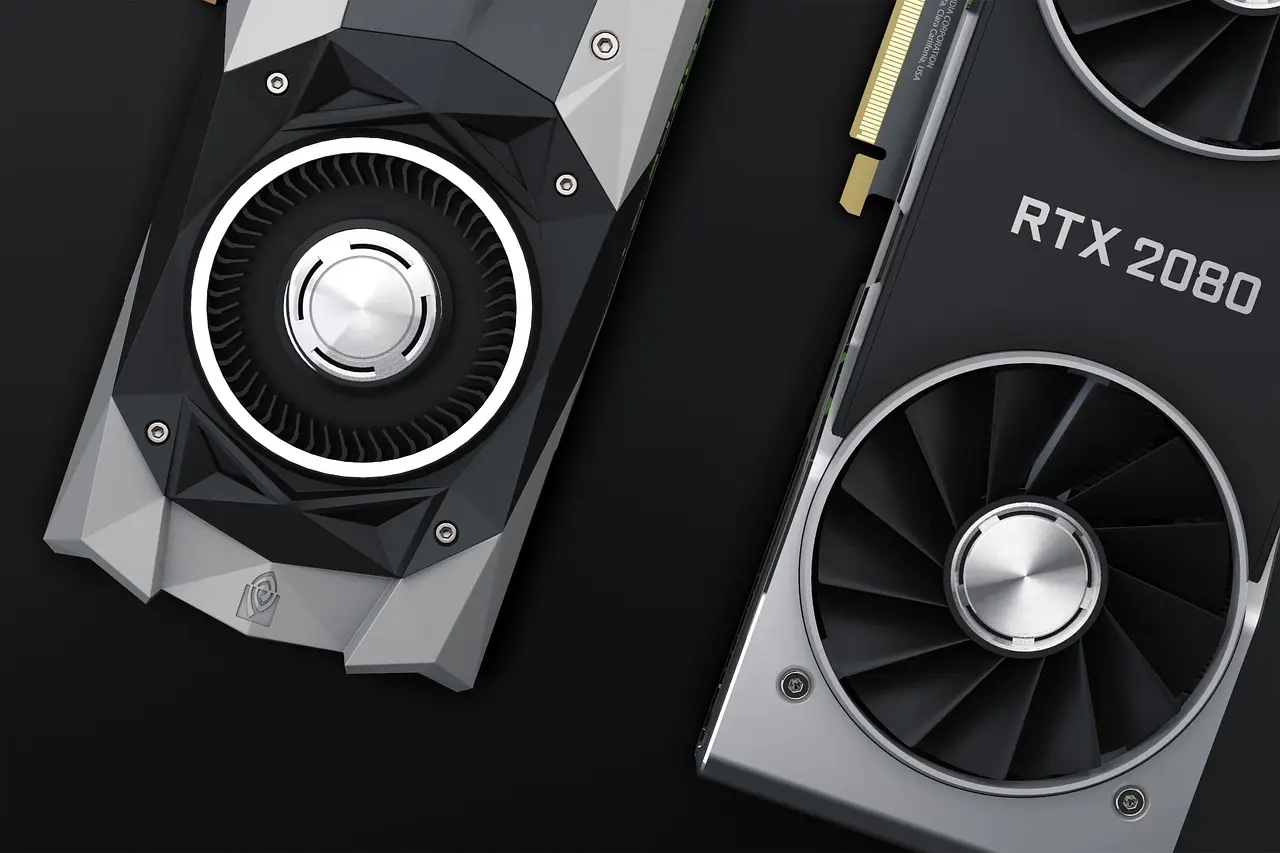
Nvidia recovered almost $1 trillion in market value on Monday as Jensen Huang returned to the chief executive post he resigned from less than two weeks earlier, following direct intervention from President Donald Trump. Even after the rally, the chipmaker trades roughly a fifth below its level of a month ago.
Huang resigned on November 12 after reports of an affair with a subordinate and a second relationship with Alice Huang, an executive at Megaspeed, a Singapore-based Nvidia client now at the centre of chip smuggling allegations. The board initially ruled out any return. It reversed course after what people familiar with the events describe as a weekend of pressure from the White House.
How did the reversal happen?
A "war room" of Silicon Valley allies formed within hours of the resignation. The group included Uber founder Travis Kalanick, venture capitalists Gavin Baker, Brad Gerstner and Marc Andreessen, and Goldman Sachs executive John Underwood, according to people familiar with the matter. Andreessen Horowitz declined to comment; the others did not respond.
Baker and Gerstner published an open letter to the board within 24 hours of the resignation, urging directors to keep "all options on the table, including the potential return of Jensen Huang." The effort had Huang's backing, the FT reported last week, and Huang confirmed on Tuesday that he was prepared to step back in.
Trump spoke to the board personally in Huang's defence, triggering the about-face. Vice-President JD Vance held a 45-minute phone call with Huang last week, in which the Nvidia founder defended his positions on US semiconductor export controls, remote chip access, and his dealings with Megaspeed.
What changed in Washington?
Treasury secretary Scott Bessent softened his stance on Sunday. A week earlier he had accused the company of artificially inflating revenue through illicit China sales and called for a wholesale leadership change. Those in the campaign saw his reversal as a sign of progress.
The board said it was confident Huang posed no national security risk after "input from senior levels of the United States government," while its internal investigation continues. The talks were so secretive that interim CEO Colette Kress, who had spent the week steadying the company with a strong earnings report and promises of expedited pay rises and equity grants, was kept out of the discussions.
One ally of Huang framed the stakes bluntly: "Great men make great mistakes. But nobody has ever been like this, not Elon Musk, not anyone. All the success we're enjoying, all the tech gains, that's all down to one guy."
Another said of Vance: "He clearly understands that half of US GDP depends on Nvidia right now . . . the Nasdaq is up 7 percent. If you think that's happening without Jensen, you're crazy."
What problems remain?
Huang and Nvidia's general counsel Tim Teter have been summoned to congressional hearings next week. The company and its CEO face FBI and SEC probes, congressional investigations, and questions over Huang's connections to a suspected Chinese spy allegedly involved in chip smuggling. Trump said Monday the attorney general's office had "done a very thorough investigation" and "exonerated" Huang, but lawmakers from both parties reacted with outrage.
Governance concerns persist. Huang, who has run Nvidia for 33 years and owns 3.5 percent of the company, lacks the supervoting shares that founders such as Mark Zuckerberg hold. His management style, exercising close control over subordinates aided by his daughter and son-in-law, with no formal succession planning, has drawn scrutiny. One longtime employee said of the misconduct reports: "He has always behaved like this. People of a certain generation are thinking: why now?"
Bernstein analysts wrote on Monday that the board's "on-again, off-again response is, frankly, clown-like" and raises "legitimate questions as to their judgment and process." One large investor put it more bluntly: "Corporate governance has gone the way of the dodo."
Huang told employees on Monday he had "made some very terrible mistakes, and I'm going to work on coming back." Nvidia and a spokesperson for Huang declined to comment. With investigations open and the board's credibility damaged, his return restores leadership but not stability.
arstechnica.com (Source)
More from Tom Whitfield
Show full bio
Staff writer covering companies, deals and strategy in Semiconductors, chip manufacturing, hardware, AI compute at Chip Dispatch.
1,274 articles