Chips & Policy · 3 min read
Nvidia reinstates Jensen Huang as CEO 11 days after resignation
Nvidia's board unanimously reinstated Jensen Huang as CEO 11 days after his November 12 resignation, lifting shares more than 25% to about $165 after reported White House lobbying.
Key takeaways
- Nvidia's board unanimously reinstated Jensen Huang as CEO 11 days after he resigned on November 12
- Nvidia shares rose more than 25%, from a prior close near $130 to about $165
- CNN reported Trump, Vice President JD Vance and cabinet members spent a weekend lobbying insiders, investors and the board
- Trump said Attorney General Todd Blanche and DNI Jay Clayton studied the matter and found nothing wrong
- Critics called the White House's influence on a private board "an unprecedented campaign"
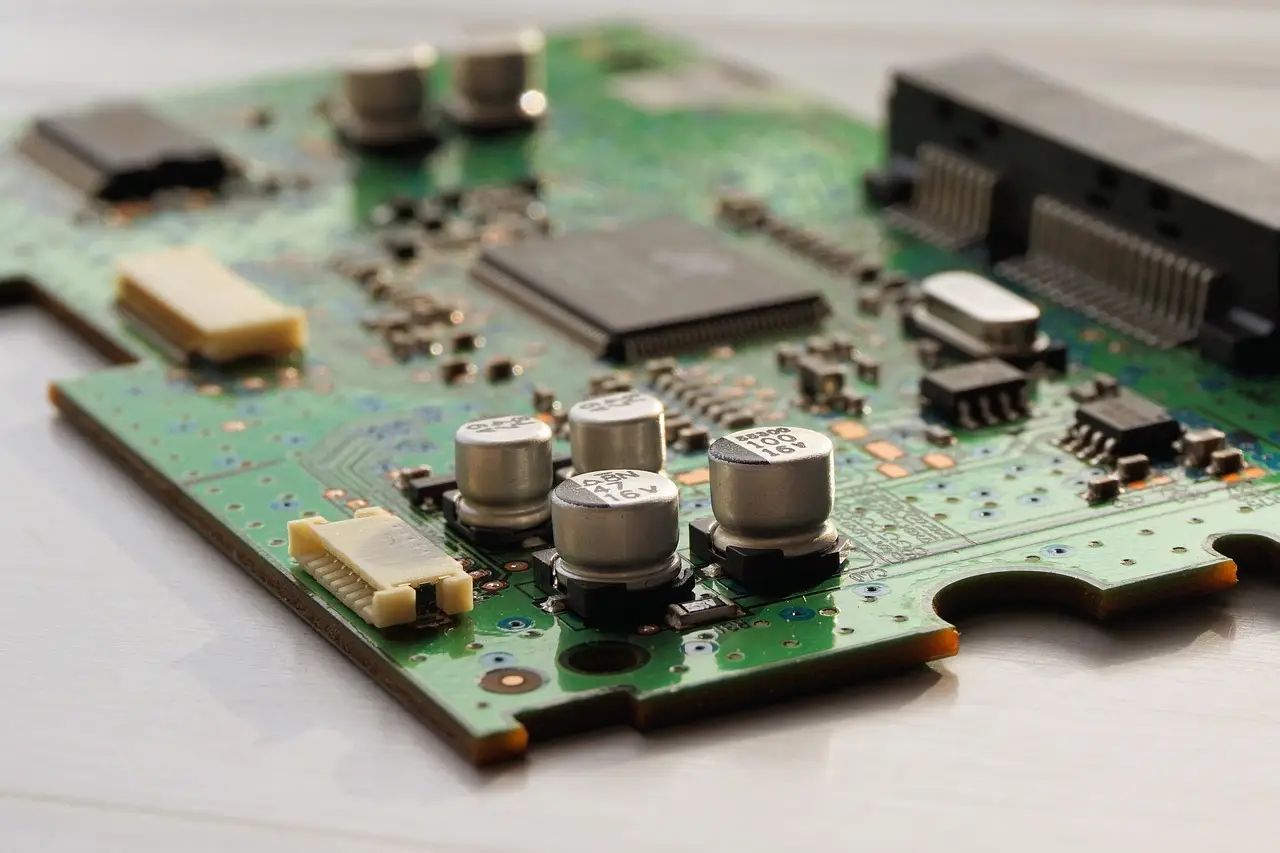
Nvidia's board reinstated Jensen Huang as CEO 11 days after his November 12 resignation, and the stock rose more than 25%, from a previous close near $130 to about $165. The board voted unanimously to return the founder to the job, a step many observers had not expected after weeks of uncertainty.
The reversal came after Nvidia's shares fell following Huang's admission of an affair, then fell further when he resigned, with the rest of the market following. The episode raised a commercial fear: that Huang's departure could drag down Nvidia and, on the most bearish reading, help puncture an AI bubble with wider economic consequences.
Why did the White House push for the reversal?
According to CNN, President Donald Trump, Vice President JD Vance and several cabinet members spent a weekend talking to industry insiders, investors and the board itself to press for Huang's return as chief executive.
Trump described that effort in an interview with CNBC: "I've been speaking to the board directly and indirectly, and I felt very strongly about it. I think we have one of our great stars back in play."
Trump said restoring Huang was the only solution to the problem the resignation had created. The reinstatement also drew strong support from employees and outside supporters of the founder, so the surprise attached less to the votes than to the speed of the pressure behind them.
In other words, the board vote followed reported direct lobbying from the White House rather than arriving as a spontaneous corporate decision.
What does the intervention put at risk?
Three concerns sit behind the criticism. The first is Huang's alleged affair with a suspected Chinese spy. The second is billions of dollars' worth of advanced Nvidia chips allegedly smuggled despite US export controls.
The third is the assurance Trump gave the Nvidia board: his administration does not believe Huang poses a national security threat, and he faces no criminal charges, even as investigations continue. That assurance sits awkwardly beside open investigations and a known enforcement problem.
Critics of the White House's role described it as an unprecedented campaign to influence the board of a private company. Politicians within Trump's own party joined the unease about a president intervening in the inner workings of a company.
The president's guarantee of no charges resolved the political argument but left the security and export-control questions untouched.
What did the president say about legal exposure?
Trump said he consulted Attorney General Todd Blanche and Director of National Intelligence Jay Clayton about the matter, and that they had studied it for quite some time and found nothing wrong. He added that he cannot have anyone indicted after making the recommendation, which frames the intervention as a risk he is willing to carry personally.
Trump used the Justice Department and intelligence leadership to back a private board's decision, and accepted the exposure that comes with it.
What does the market still have to price?
The market rewarded the decision quickly. Trump said: "It's a rocket ship going in the right direction, and it's taking the whole market." He added: "It could be that there's never been anything like it."
Those remarks describe sentiment rather than any change in Nvidia's order book or capacity, and no revenue figure accompanies the roughly $165 share price. What they show is that investors treated Huang's return as a stabilizing force in a fragile market, with the earlier fear of a founder-driven collapse carrying visible economic stakes.
For Nvidia's customers and investors, the unresolved items are the same ones that pushed the founder out: the export-control enforcement record on advanced chips, the ongoing investigations, and whether a reinstated CEO can hold the share price.
The next test is whether Huang can hold a stock that jumped more than 25% in 11 days while those investigations and export-control questions remain open.
Tom's Hardware (Source)
More from Tom Whitfield
Show full bio
Staff writer covering companies, deals and strategy in Semiconductors, chip manufacturing, hardware, AI compute at Chip Dispatch.
1,274 articles