Chips & Policy · 4 min read
USTR Greer's subsidy probe could trigger tariffs on 44 economies
The Wall Street Journal reports USTR Greer could unveil findings this week on tariffs covering most goods from China, all 27 EU member states, Japan, South Korea and 14 other nations.
Key takeaways
- USTR Jamieson Greer could unveil findings of a months-long foreign industrial subsidy probe as soon as the week of Nov. 24
- Tariffs would cover most products from China, all 27 EU member states, Japan, South Korea and 14 other countries; steel, aluminum and autos excluded
- EU, Japan and South Korea are expected to face rates of 15% or lower, while China faces the steepest rates and Vietnam and India could go higher
- New duties would stack on July's 10% to 12.5% tariffs on 60 economies, a measure now under court challenge
- S&P 500 futures fell 1.25% in the 8:25 a.m. market reaction reported on Tuesday, Nov. 24
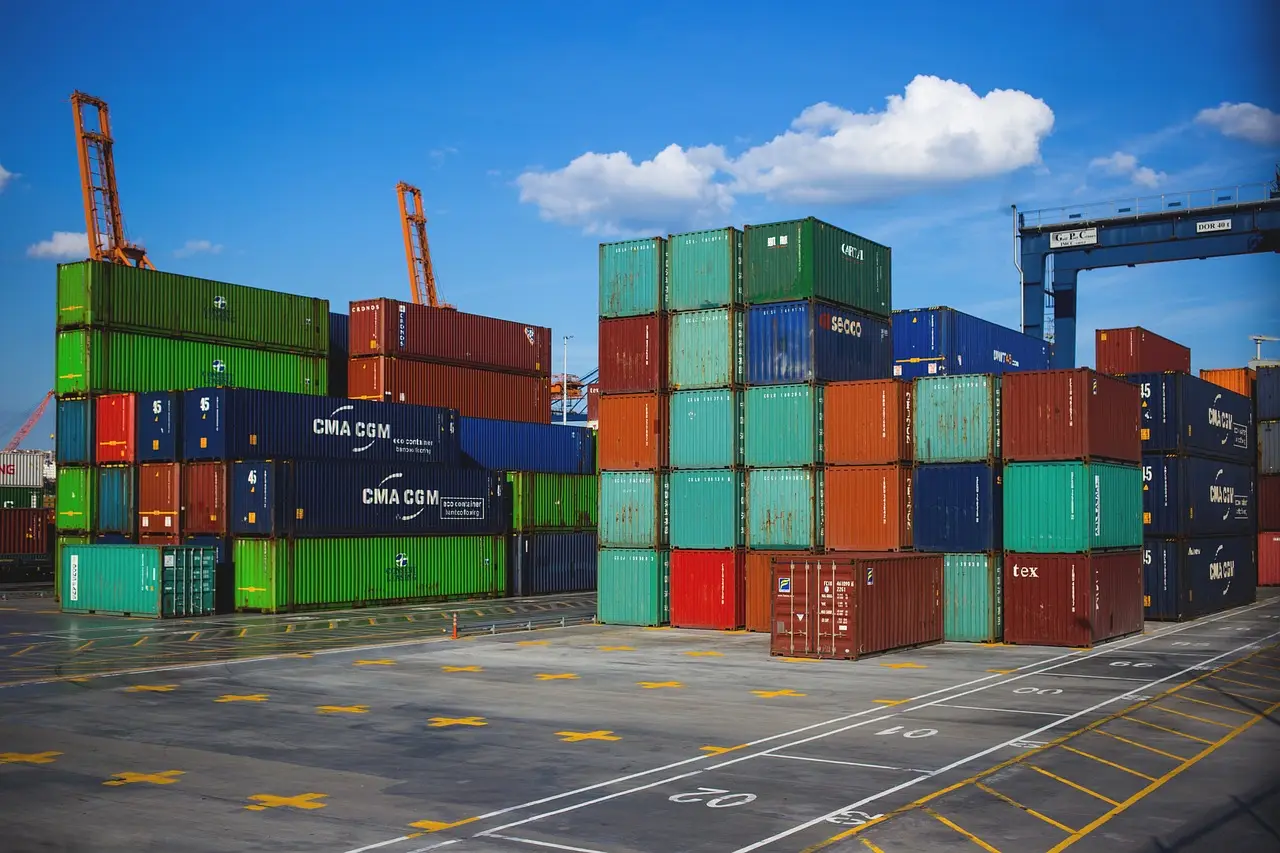
USTR Jamieson Greer could publish findings as soon as this week from a months-long investigation into foreign industrial subsidies, with duties set to reach most products from China, all 27 EU member states, Japan, South Korea and 14 other countries.
Those targets amount to 44 economies once the EU bloc is counted member by member. The Wall Street Journal reported the preparation on Tuesday, Nov. 24, in accounts relayed by Investing.com and Newsquawk.
The White House and USTR did not confirm the report on the record. No official statement came with the accounts, and final levies have not been decided.
What would the duties cover?
- Most products from China, all 27 EU member states, Japan, South Korea and 14 other countries.
- Excluded: steel, aluminum and autos, already covered by separate national-security tariffs.
- EU, Japan and South Korea: rates of 15% or lower, reflecting their trade agreements with Washington.
- China: the steepest rates, tied to the scale of its subsidies.
- Vietnam and India: potentially higher duties, depending on the terms of their own agreements.
- Possible triggers: further increases if governments do not curb overcapacity or make concessions.
The exclusions are narrow and the product list is not. The report named steel, aluminum and autos as the only carve-outs. Semiconductors did not appear in either account, in either direction, so chip and equipment suppliers have no stated exemption to rely on.
Rate expectations follow Washington's own agreements. Countries holding a trade deal with the United States are expected to absorb smaller increases. China draws the highest schedule, an outcome the report ties to the scale of its subsidies. Vietnam and India sit in between, with exposure tied to the terms each has struck.
Where does the legal authority sit?
Officials aim to rebuild the broad tariff wall first imposed in 2025, which the Supreme Court struck down in February 2026. The new duties would also stack on a separate July action that put 10% to 12.5% tariffs on 60 economies over forced-labor supply chains. That July measure now faces its own court challenge.
Without a named statute, the new duties inherit the legal doubt that removed the 2025 tariffs, and the July action they would stack on is itself in court.
What is Greer's case, and what is missing from it?
USTR Jamieson Greer argues that state support in the targeted economies has created excess industrial capacity "that lets foreign companies sell goods abroad below fair prices, hurting US producers," according to Investing.com's summary of the WSJ report.
The premise remains an argument rather than a measurement. Neither account cited capacity data, subsidy totals or pricing comparisons for any industry, and no rate schedule, product list or effective date appeared in either version of the story.
How did markets react?
Investing.com reported S&P 500 futures down 1.25% at the time of its 8:25 a.m. story, with major US indexes under pressure after Monday's rebound. The move priced a reported plan rather than a confirmed policy.
Who pays, and who redirects supply?
A tariff on imports raises the landed cost of goods crossing into the United States, so the price change reaches importers and their downstream buyers first. Producers in the targeted economies can absorb part of the rate, redirect output into their own markets, or cut export prices below the tariff line. The excess capacity Greer describes makes redirection easier, which is the condition the proposed triggers are meant to punish.
What would it change for capacity and pricing?
If the duties proceed as described, importers pay more at the border on most goods from the targeted economies, while excess capacity in China, Vietnam and India keeps competing for export orders at home. The steepest rates on China and the potentially higher duties on Vietnam and India would push output toward domestic buyers or below the tariff threshold. The 15% ceiling expected for the EU, Japan and South Korea leaves those partners more room to set export prices.
None of that is settled. The probe findings, the legal authority and the final rate schedule remain open questions, and the 2026 tariff wall stands or falls on how those three answers land.
mlq.ai (Source)
More from Sophie Lindqvist
Show full bio
News editor covering money, funding and market shifts around Semiconductors, chip manufacturing, hardware, AI compute at Chip Dispatch.
1,287 articles