AI & Compute · 5 min read
Hyperscale data centers draw bipartisan backlash over power and water
Paris Marx says hyperscale data centers strain power, water and grids, turning AI infrastructure into a bipartisan political target as firms promise greater local disclosure.
Key takeaways
- Data centers consume more than 20% of Ireland’s electricity, Marx said.
- Dublin-area data-center grid connections faced a moratorium in 2022.
- Google disclosed 29% city-water use after an Oregonian reporter was sued for asking how much it consumed.
- Microsoft, Amazon and OpenAI have said they will avoid local-government NDAs.
- Closed-loop cooling cuts water use, raises power demand and prompts coolant-leak concerns.
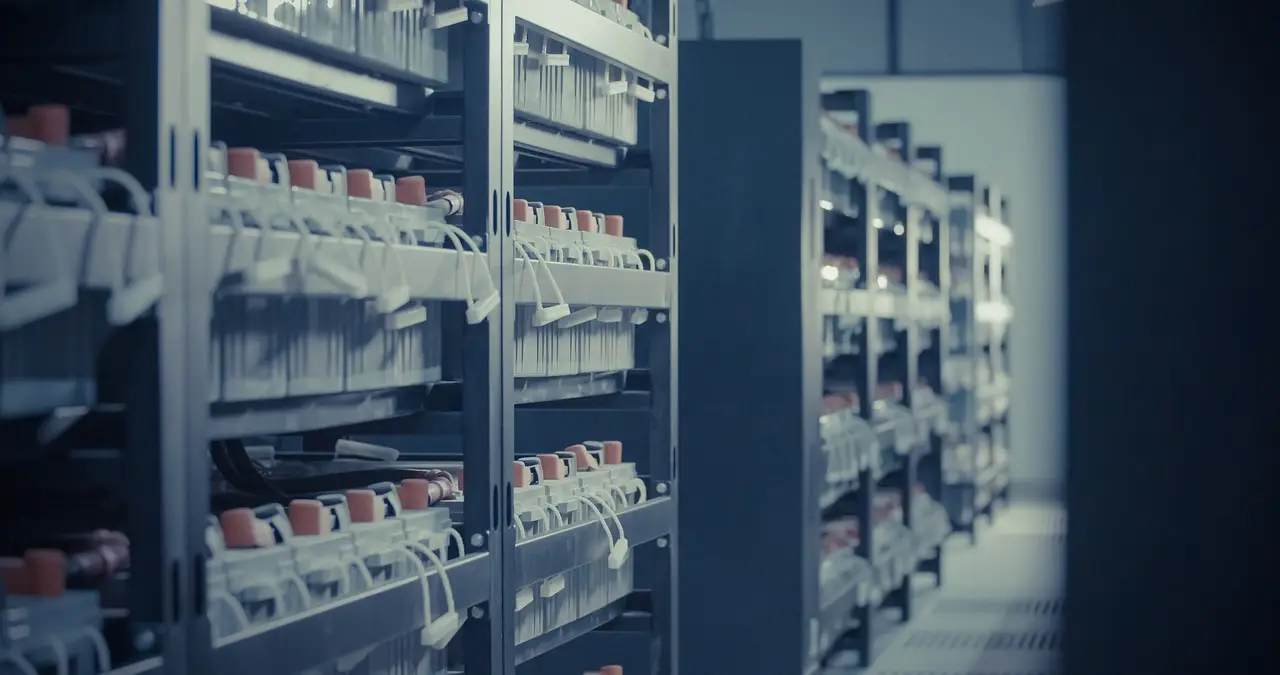
Data centers now draw more than 20% of Ireland’s electricity, journalist Paris Marx said, citing a load that pushed up power prices and helped drive the grid operator’s 2022 moratorium on new connections around Dublin. He raised the figure in a TechCrunch interview accompanying his book Hyperscale, before generative AI accelerated construction and sharpened an older dispute over infrastructure.
What turned data centers into a political target?
Marx’s book takes readers inside hyperscale facilities and examines how computing infrastructure, decades old, became a political landmine; the final chapter is titled “Human Scale.” He called the buildout “fundamentally unsustainable” and “completely out of line with a livable planet,” citing cumulative demand for electricity and water, along with fossil-fuel use and emissions that accelerate climate change.
The grievance remains stubbornly local. “It’s very physical, it’s very material,” Marx said, noting effects on quality of life, power bills, water access and rooftop air-conditioning noise. He links the backlash to the blue wave in recent midterm elections and expects the issue to persist as Democrats gain more governmental power.
His account is bipartisan: Ron DeSantis and Bernie Sanders have opposed data centers. He sees the facilities as the most visible part of a wider revolt against the physical manifestations of Big Tech, including Flock cameras rolling out across the United States, Meta’s planned smart glasses and Waymo’s self-driving cars.
Existing anger over product quality, technology’s social effects and cooperation with the Trump administration and right-wing groups now has something residents can confront. Deleting an app still leaves the company’s business intact, but a data center cannot be removed from a community by an individual user.
What waits inside the server room?
Access itself proved unusually difficult. Researchers told Marx that entry had been easier before generative AI brought the industry fresh attention. He emailed several companies; some did not reply, while others declined.
After viewing sites from outside in northern Virginia and Ireland, Marx entered a facility in New Zealand. Fences and cameras guarded the site; he submitted his passport in advance, passed an identity check and needed a key card for every door.
The server room offered no cinematic underworld. It was warm and utilitarian, with air conditioning blasting nearby server racks and fans producing a piercing noise that made earplugs sensible. For a book about remote computing infrastructure, the physical plant was the story.
Why water became the test
In Chile, water pressure around Santiago gave Marx an early warning. Google and Microsoft were building data centers while communities organized around possible effects on their water access.
The Dalles supplied a sharper case. Google had built its first company-owned data centers there about 20 years earlier, and its water agreement neared renewal as it planned expansion. After an Oregonian reporter asked how much water Google used, the company sued him. Roughly a year later, Google disclosed that its facilities consumed 29% of the city’s water.
The disclosure arrived around ChatGPT’s release, as generative AI began to lift demand for computing capacity. Marx saw the same pattern spreading beyond established hubs toward more communities. His objection targets hyperscale development, not data centers themselves: the simultaneous growth in facility size and number creates pressure on communities and the wider electricity system that isolated projects rarely did.
Marx also questions what the buildout buys. Early promises associated with Sam Altman’s ChatGPT included economic and productivity gains and better healthcare and education services. Marx says many benefits remain unrealized, while chatbot dependence, mental-health concerns, false information and deepfakes add social costs. Polling, he argues, reflects the same disconnect between huge resource demands and modest public benefit.
How technology companies answer local resistance
Microsoft, Amazon and OpenAI have said they will avoid nondisclosure agreements in negotiations with local governments. Marx calls the change useful but not decisive. It should make project information easier to obtain, although he views the shift largely as a response to opposition that already threatens company plans.
Companies have also offered to finance more electrical infrastructure, reducing pressure on residential ratepayers, and promoted alternative cooling designs. Marx says industry has called environmental harms overstated and presented renewable technology as a mitigation. He adds that the industry has lost its fossil-energy argument, so earlier renewables and nuclear language has receded as companies pivot toward water use.
National comparisons with agriculture and golf courses can obscure local scarcity, especially in communities under high water stress. Other proposed locations have ample water and may face little concern. Evaporative cooling requires a steady flow of water.
Closed-loop systems recirculate a fixed amount and use electricity to cool it, reducing water demand but raising power consumption. Communities also worry about chemical coolant leaks into local water supplies. Marx says companies often omit the electricity penalty when presenting closed-loop cooling as the straightforward answer.
Can public technology change the capacity equation?
Marx attributes resistance partly to the tech industry’s habit of presenting one future as inevitable, with speed and profit as the only open questions. He links that hubris to the industry’s pursuit of power and influence, as well as to resource choices and incentives. He argues that other outcomes require both.
Governments pursuing digital sovereignty can replace U.S. technology with local companies that reproduce the same exploitative practices. He also wants renewed public-sector technology development after decades of skepticism. Europe’s increased public funding for technology that government services depend on is, in his view, a promising first step.
That argument gains urgency after a recent Microsoft outage and Google’s threat to withhold Google search access from schools that reject its AI tool. If hyperscale construction continues while promised public benefits remain unclear, grid limits, water disclosure and community opposition are likely to shape capacity and power pricing before efficiency gains do.
techcrunch.com (Source)
More from Nathan Brooks
Show full bio
Senior reporter covering people, launches and day-to-day practice in Semiconductors, chip manufacturing, hardware, AI compute at Chip Dispatch.
1,212 articles