AI & ComputeLOT 261120 · 3 min read
IEA: 93 'AI Factories' Will Add 50GW, Doubling Data Center Power Demand by 2030
IEA's World Energy Outlook 2026 tracks 93 large AI factories heading to 50GW — a second Great Britain of power demand — as $4T in spending shifts the AI bottleneck from chips to grids.
Key takeaways
- IEA expects global data center capacity to double from 120GW to 240GW by 2030, 75% of new capacity for AI.
- 93 large AI factories tracked via satellite, projected to reach 50GW — equivalent of adding a second Great Britain.
- Coal and gas emissions from data centers projected to rise 70% by 2030 despite ~50% renewable PPAs.
- AI data center investment projected at $32 trillion by 2050, per IEA; ~180GW of self-generation planned in the U.S.
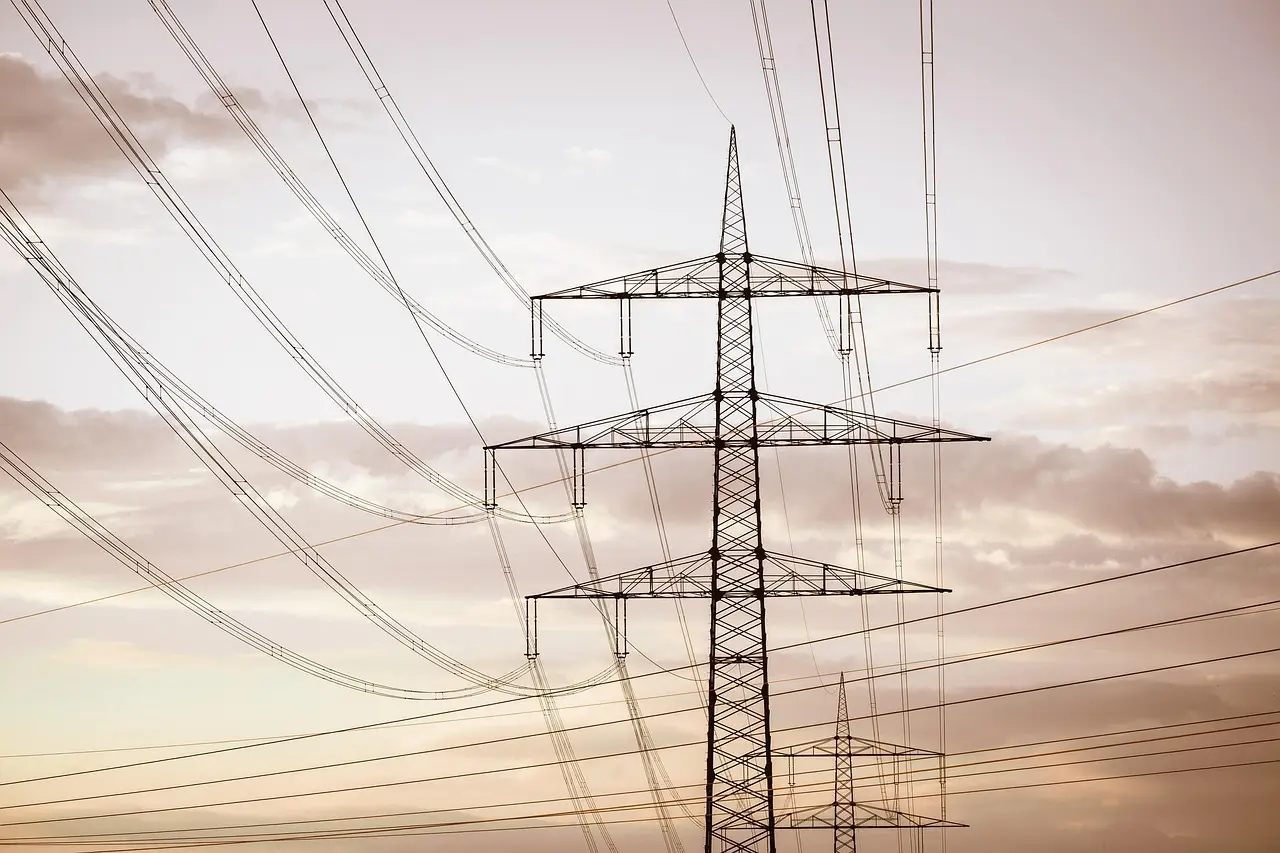
The world's data centers drew roughly 120GW of capacity in 2025, and the International Energy Agency expects another 120GW to come online by the end of the decade — with 75% of that new capacity dedicated to artificial intelligence. That's the headline finding of the IEA's World Energy Outlook 2026 report, and it frames a commercial reality the semiconductor industry can't ignore: the bottleneck for AI compute is shifting from chips to power grids.
The IEA is tracking 93 large "AI factories" under construction or expansion, verified through satellite imagery. Their aggregate capacity grew from under 2GW to 17GW in just two years, the agency estimates, and they're projected to reach 50GW at completion. That's the equivalent of bolting a second Great Britain onto global power demand. Behind the build-out sits roughly $4 trillion in spending through 2030, with cumulative AI data center investment projected to reach $32 trillion by 2050 — a sum the IEA says exceeds what the world spent on railways, electrification, and the internet combined.
Does data center growth raise your electricity bill?
Local opposition says yes. Residents near proposed sites blame hyperscale projects for climbing utility prices, and the fight has become a routine feature of permitting battles. The IEA, however, pushes back on the simple version of that claim. Its analysis "does not yet show a clear relationship between growth in data center capacity and increases in electricity prices," the agency wrote.
The economics cut both ways. If a data center uses existing grid capacity and pays its share of the cost, the IEA notes it could actually lower utility bills for all customers. If the grid operator must upgrade its system to accommodate one large consumer, monthly bills can rise when those costs spread across every user.
Why renewables contracts don't mean renewable power
Emissions tell a sharper story. Renewable sources dominate data centers' power purchase agreements at nearly 50%, but actual generation feeding those facilities leans on coal and natural gas at close to 60%. Reliability drives the gap: fossil plants fire up when wind and solar can't deliver, and the IEA expects coal- and gas-related emissions from data centers to rise 70% by 2030.
Some operators are bypassing the grid entirely. Elon Musk's Colossus 2 site in Southaven, Mississippi, is deploying its own generation, and the IEA counts about 180GW of similar planned or under-construction self-generation in the U.S. — a figure larger than the entire current global data center fleet. Even that route has limits. On-site turbines, including jet-engine-based units favored by some hyperscalers, now face component shortages, with turbine blades in especially short supply.
Grids are the new leading edge
Timing mismatches compound everything. Renewable power plants take one to five years to build, roughly the same as a massive data center project that avoids extended moratoriums. Transmission lines take three to five times longer. That mismatch, the IEA says, is why the grid remains the binding constraint on AI infrastructure growth even as renewable capacity expands to meet demand.
For chipmakers and system vendors, the implication is straightforward: demand for AI silicon through 2030 appears locked in at roughly 100GW-plus of dedicated capacity, while the pace of deployment will increasingly hinge on interconnection queues, transmission timelines, and turbine supply rather than wafer output.
Tom's Hardware (Source)
More from Rebecca Stone
Show full bio
Correspondent covering technology and product news in Semiconductors, chip manufacturing, hardware, AI compute at Chip Dispatch.
1,178 articles