India Bans Export of Lithium-Ion Battery Black Mass With Immediate Effect
India's DGFT has prohibited export of lithium-ion battery black mass with immediate effect, retaining valuable lithium, cobalt and nickel feedstock for a domestic recycling market headed to $1.3 Bn.
- By
- Grace Kim
- Filed
- Channel
- Hardware & Components
- Read
- 3 min read
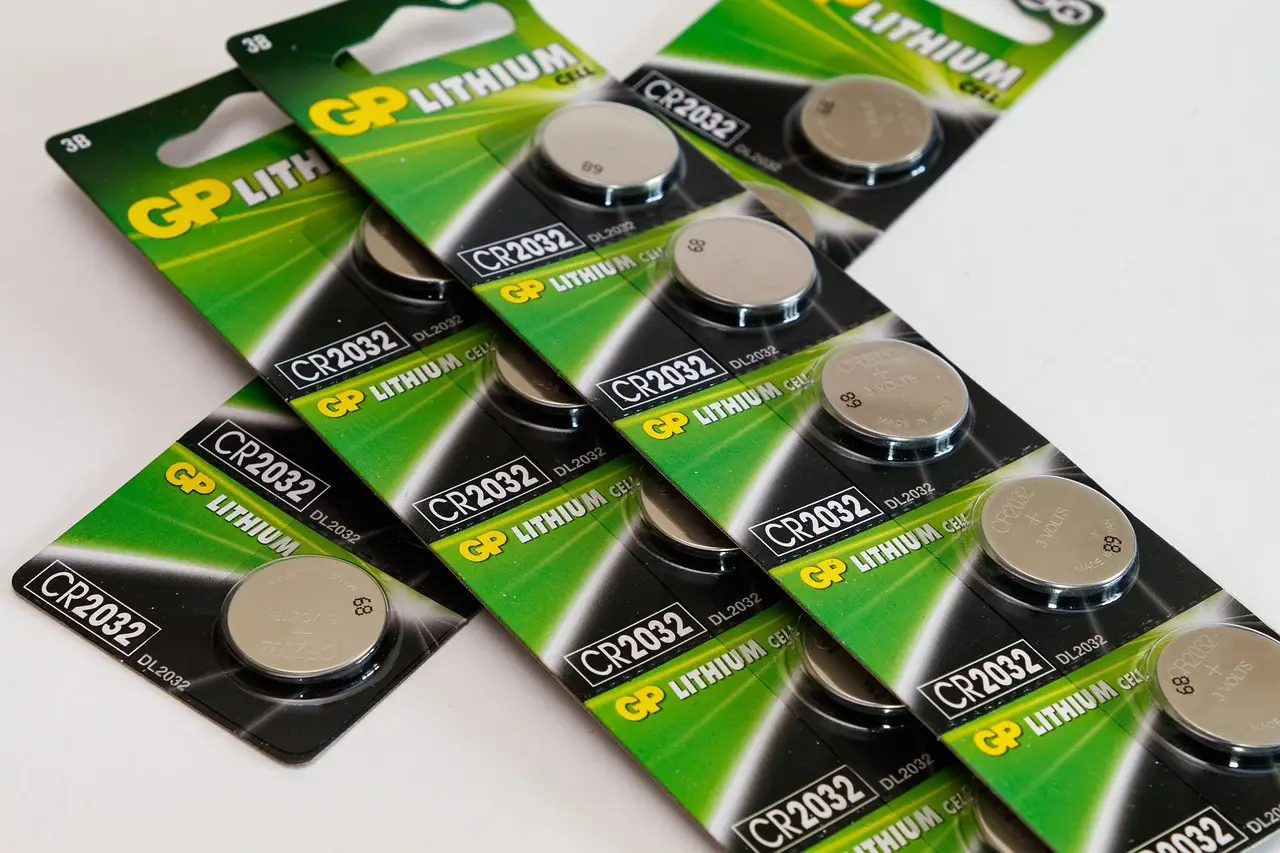
India has banned exports of lithium-ion battery black mass with immediate effect, closing off outbound shipments of one of the most valuable streams in the battery recycling chain. The Directorate General of Foreign Trade (DGFT), under the Ministry of Commerce and Industry, notified the amendment yesterday. It applies to all outbound shipments of the material.
The regulator issued the directive in a circular. "The export policy of waste and scrap of primary cells, primary batteries and electric accumulators; spent primary cells, spent primary batteries and spent electric accumulators – Unsorted and not containing lead, cadmium or mercury (Lithium-Ion Battery Black Mass) under ITC (HS) Code 85491400 is amended from 'Free' to 'Prohibited' with immediate effect, until further orders," the directorate said.
What is black mass?
Black mass is a powder produced by shredding end-of-life lithium-ion batteries. It is rich in valuable metals: lithium, cobalt, and nickel. Recovering these metals from black mass costs less than mining fresh reserves. The material can feed directly into new battery production.
For India, the material carries strategic weight. The country depends on imports for these raw materials. Black mass offers a route to source the same metals domestically.
How does the ban fit India's mineral policy?
The export prohibition ties into a broader government push to cut import dependence on critical minerals. In September 2025, the Cabinet approved incentives worth ₹1,500 Cr to build domestic capacity for recycling critical minerals. Earlier this week, the government followed with the Capex Support Scheme to Promote Critical Mineral Processing, committing an outlay of ₹2,814 Cr to set up two plants each for lithium and nickel processing.
The sequence is deliberate. Policy first builds recycling capacity, then processing capacity, then locks the feedstock inside the country.
Can India absorb the material?
Capacity figures explain both the problem and the intent. According to the Observer Research Foundation, India can recycle over 60,000 tonnes of batteries per year. That recycling generates around 30,000 tonnes of black mass annually. Limited domestic processing capacity means the black mass has typically been exported to foreign markets.
The new restriction keeps those critical raw materials within domestic borders. The catch: India's black mass extraction and refining capabilities still need to be built up. Without hydrometallurgical and refining capacity, the country cannot capture the full economic value of the material it now holds back.
What is the market size?
India's battery recycling market reached $603.9 Mn in 2025. It is projected to reach $1.3 Bn by 2034, growing at a CAGR of 8.65%. The ban redirects that market's output toward domestic buyers rather than overseas refiners.
The policy also reshapes the economics for recyclers. Firms that previously sold black mass to foreign processors must now find domestic offtake or invest in their own refining. As India's battery manufacturing ecosystem scales, the government is betting that retaining strategic materials for domestic processing will prove decisive in building a resilient supply chain.
Source: inc42.com
More from Grace Kim
Show full bio
Market editor covering people, launches and day-to-day practice in Semiconductors, chip manufacturing, hardware, AI compute at Chip Dispatch.
854 articles
Related articles
asrock-ships-new-radeon-rx-7900-firmware-after-bricked-gpu-uproar
ASRock Ships New Radeon RX 7900 Firmware After Bricked-GPU Uproar
montech-king-95-3d-pro-review-three-glass-panels-seven-fans-199-90
Montech King 95 3D Pro Review: Three Glass Panels, Seven Fans, $199.90
ai-data-center-boom-drives-fiber-cable-prices-up-10x-starving-ukraine-s-drone-li
AI Data Center Boom Drives Fiber Cable Prices Up 10X, Starving Ukraine's Drone Line
three-workers-die-in-toxic-gas-incident-at-tatas-hosur-plant
Three Workers Die in Toxic-Gas Incident at Tata’s Hosur Plant