Tech Business · 3 min read
Jefferies Starts SpaceX at Buy, Targets $210 on Starship and Starlink Growth
Jefferies initiated SpaceX at buy with a $210 target, 64% above its last close, modeling $92 billion in connectivity sales and 315 Starship flights a year by 2029.
Key takeaways
- Jefferies started SpaceX at buy with a $210 price target, about 64% above the last close of $127.79.
- Jefferies forecasts connectivity sales of $92 billion by 2029, growing 70% a year with margins above 60%.
- The model projects about 315 Starship flights a year by 2029, up from one to two a week now.
- SpaceX shares fell more than 13% over the past month and trade below the $135 IPO price.
- 34 of 44 analysts rate SpaceX buy or strong buy, per LSEG data cited by CNBC.
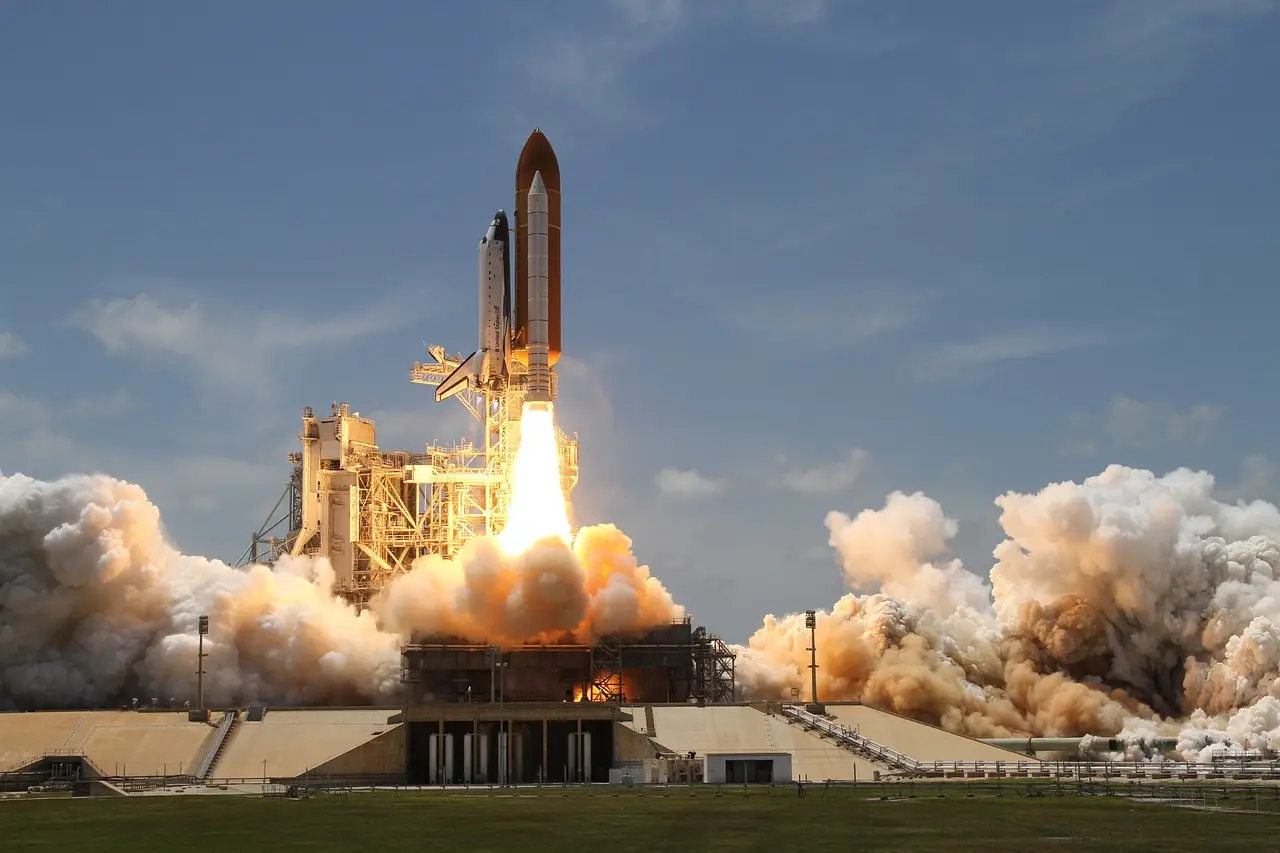
Jefferies initiated coverage of SpaceX (Nasdaq: SPCX) on Monday with a buy rating and a $210 price target, roughly 64 percent above the stock's last close, CNBC reported. The shares rose more than 3 percent after the call, recovering some ground after a slide of more than 13 percent over the past month.
The stock stood at $127.79 when the note was published, according to Investing.com. That price sits below the $135 level of the company's IPO, a milestone the shares slipped under on Nov. 20, as MLQ.ai previously reported. Jefferies' target implies the bank sees the stock roughly doubling from that depressed base.
What is the case for the $210 target?
The rating rests on SpaceX's launch dominance. "SpaceX's exceptional engineering has allowed it to dominate mass-to-orbit of Earth," analyst Sheila Kahyaoglu wrote, calling that position the foundation for growth in the company's space and connectivity segments, CNBC reported.
Kahyaoglu also expects the company's "Super Intelligence" segment, which includes its Grok models, to grow exponentially. Jefferies puts the AI market that segment targets at $8.4 trillion. The bank said SpaceX plans to bring 2.5 to 3 gigawatts of compute online by the end of 2026.
The target itself comes from a sum-of-the-parts valuation, according to Investing.com. That method values the launch, connectivity and AI businesses separately and adds them together.
The takeaway: Jefferies values SpaceX as three distinct businesses, with its launch monopoly treated as the base for everything above it.
What do the numbers look like by 2029?
Jefferies' model, as reported by Investing.com, forecasts:
- Launch business sales of $9 billion and EBITDA of $4 billion by 2029, up from a current Starship cadence of one to two flights a week to about 315 a year.
- Connectivity sales growing 70 percent a year to $92 billion by 2029, with margins above 60 percent.
- Connectivity capital spending rising six-fold to $30 billion a year over the same period.
The connectivity capex figure is the cost side of that growth story: the satellite business scales fast in the model, but it consumes far more cash to get there. The margin forecast above 60 percent is what makes the spending worth it in Jefferies' arithmetic.
These are roadmap-style projections from a single bank, not confirmed guidance, and readers should weigh them accordingly.
How does the rest of the Street see it?
Of 44 analysts covering SpaceX, 34 rate the stock buy or strong buy, according to LSEG data cited by CNBC. Bernstein SocGen carries an outperform rating with a $268 target, Investing.com reported, well above even Jefferies' new mark.
The consensus, in plain terms, remains firmly positive despite the month-long drawdown below the IPO price.
What happens next?
The stock's reaction — a 3 percent gain on the call — suggests the market is willing to reprice the shares on fresh analytical support. Whether Jefferies' 2029 volume and revenue targets hold will depend on Starship hitting its flight cadence and the connectivity business absorbing a six-fold capex increase without breaking its margin profile.
mlq.ai (Source)
More from Tom Whitfield
Show full bio
Staff writer covering companies, deals and strategy in Semiconductors, chip manufacturing, hardware, AI compute at Chip Dispatch.
1,224 articles