Science & TechnologyLOT 261119 · 3 min read
Kenya Awards US Consortium Rights Bid for $62 Billion Rare Earth Deposit
Kenya picked a four-company US consortium for the $62 billion Mrima Hill niobium and rare earth deposit, beating Chinese and Australian bidders, but the award is not yet a mining licence.
Key takeaways
- Kenya named the Frontier Minerals Consortium — four US companies — preferred bidder for Mrima Hill, valued by Kenyan media at about Sh8 trillion (~$62 billion).
- The award is a notice of intention, not a licence; the consortium must secure community consents and a prospecting licence reviewed by the Mineral Rights Board.
- Two Chinese bidders withdrew before bids opened on Oct. 21; a Fangda Special Steel–Sinohydro JV won chromite and copper tenders in the same announcement.
- Consortium member ReElement Technologies received a $25 million US Department of Defense investment in July for its planned Indiana refinery.
- A court challenge in Kwale seeks to suspend the Kenya-US agreement until residents are consulted.
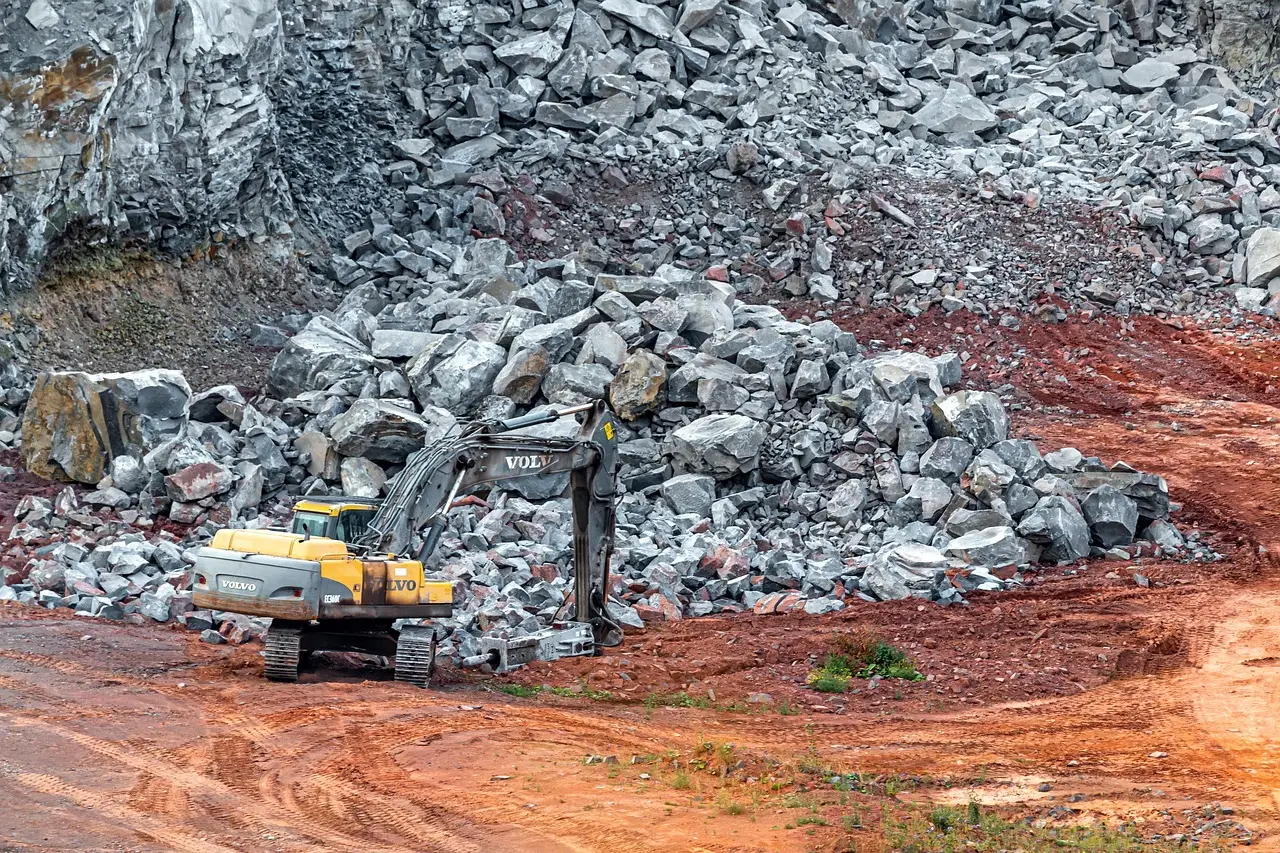
Kenya has named a four-company US consortium as preferred bidder for the Mrima Hill niobium and rare earth deposit, a project Kenyan media value at roughly Sh8 trillion, or about $62 billion — close to half the country's annual economic output. Mining Cabinet Secretary Hassan Joho issued the notice of intention to award on Thursday, selecting the Frontier Minerals Consortium for the Kwale County project on Kenya's coast.
The consortium brings together Frontier Minerals LLC, Bunker Hill Mining Corp, ReElement Technologies and American Resources Corporation. The award itself carries a precise legal limit. "An award at the end of a tender process is not a licence to immediately break ground," Joho said. The consortium must first engage host communities, landowners and county leaders, obtain the consents required under the Mining Act, and then apply for a prospecting licence. The Mineral Rights Board reviews that application before the minister signs it.
What sits in the ground at Mrima Hill?
The deposit holds niobium, a steel-strengthening metal, and rare earths including neodymium and yttrium. The ministry's preliminary indicators value the rare earth minerals alone at more than Sh6 trillion. Kenyan outlets including Business Daily put the whole project at about Sh8 trillion, which The Standard converted to roughly $62 billion. Neither figure counts as a formal resource estimate under a mining code.
The valuation is an early indicator, not a bankable number. In plain terms, the government has signalled the scale of the prize, but no audited measurement exists yet.
Who bid, and how did the Americans win?
Seven firms made the July shortlist. Two Chinese companies — Hunan Research Institute for Nonferrous Metals and Jinan Yuxiao Group — withdrew before bids opened on Oct. 21. The remaining field included:
- Meridian Mineral Holdings, whose members include Fluor and Tetra Tech
- The Mrima Earth group, led by Critical Metals Corp
- An Australian bid from RareX and Iluka Resources
- A Kenyan-British joint venture
Bidders needed a technical score of at least 80%. The scoring rewarded in-country processing, Kenyan jobs, environmental restoration and protection of cultural heritage. Kenya has stated it wants the ore processed domestically rather than exported raw.
The US connection runs deeper than the bid. ReElement Technologies, a rare earth refining company, received a $25 million investment from the US Department of Defense in July for equipment at its planned Indiana refinery. US officials have described Mrima Hill as a target of the Trump administration's critical minerals push.
Where does China land in the same announcement?
The same ministry notice delivered wins to Chinese firms elsewhere. A joint venture of Fangda Special Steel Technology and Sinohydro Corporation was named for the Kang'ura chromite project in Samburu County and the Kamacabi copper project in Tharaka Nithi County. The Lali Hills manganese and Kiritiri coltan projects drew no qualifying bids.
What legal and local obstacles remain?
Mrima Hill is a protected forest and a sacred grove of the Digo community, declared a national monument in 1992. The site carries a history of failed development. Kenya's environment regulator rejected an assessment for an earlier licence held by Cortec Mining Kenya in 2013, and Kenya later won an investment arbitration over that licence.
Litigation is now in motion. The Centre for Litigation Trust has asked the High Court in Kwale to suspend the proposed Kenya-US agreement until residents are consulted, and the attorney general has challenged the court's jurisdiction, the Associated Press reported. "Until now, we have received no information from the government on the content of the project," said Justus Mwero, who chairs the Mrima Farm Owners Community-Based Organization.
The takeaway is that the award marks a political decision, not a mining one. Between the community consents, the prospecting licence, the court challenge and the absence of a formal resource estimate, the consortium faces years of process before any ore moves — and the outcome will shape whether the $62 billion figure becomes an asset or a talking point.
mlq.ai (Source)
More from Tom Whitfield
Show full bio
Staff writer covering companies, deals and strategy in Semiconductors, chip manufacturing, hardware, AI compute at Chip Dispatch.
1,127 articles