KOSPI Sell-Sidecar: Democrat Sweep Hits Korean Chip Stocks
KOSPI fell over 5% on Nov. 5, triggering a sell-sidecar, as Democrat election wins in Texas, Ohio and Georgia revived fears of US data center permitting delays hitting Korean chip and power equipment stocks.
- By
- Sophie Lindqvist
- Filed
- Channel
- Chips & Policy
- Read
- 4 min read
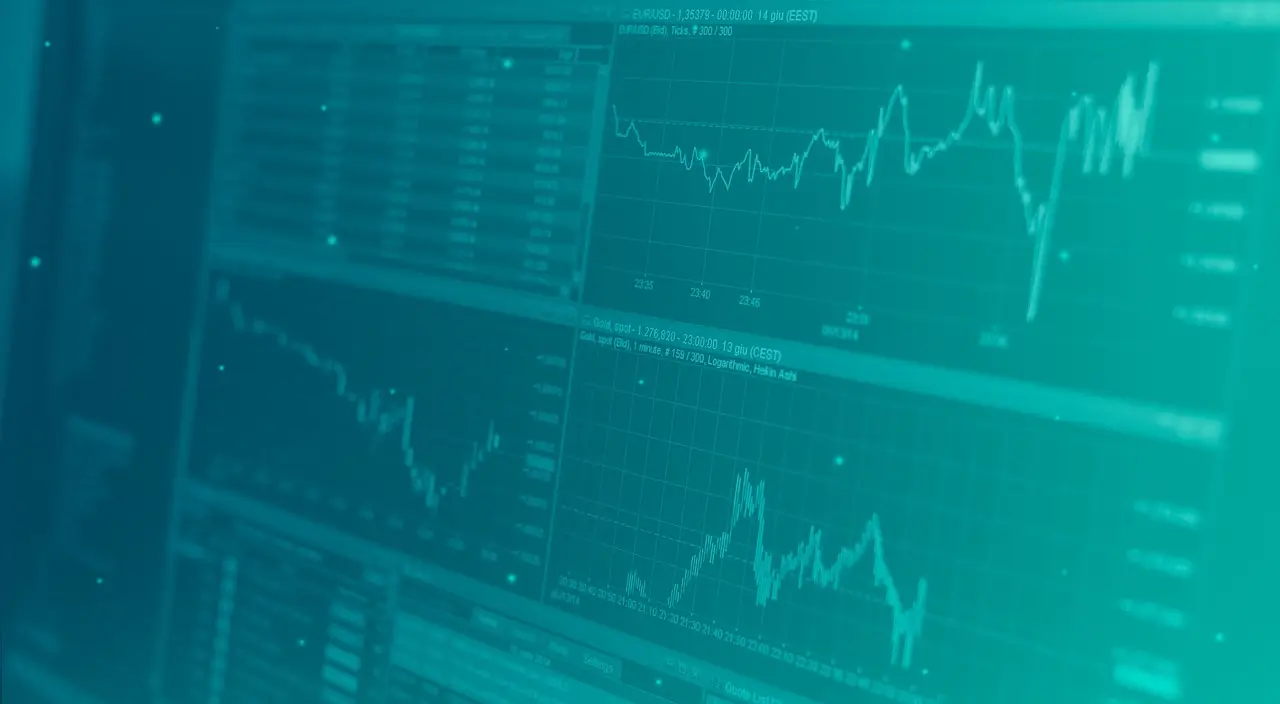
The KOSPI fell more than 5% on November 5 and triggered a sell-sidecar, the exchange's emergency halt on order quotations, after US Democrats swept the midterm elections and revived fears of data center regulation. The index opened at 5,580.09, down 103.71 points, or 1.82%, from the previous session. Losses then extended past 10 a.m. Samsung Electronics and SK hynix led the decline.
The trigger was not domestic. Data center and semiconductor shares fell sharply overnight in New York, and Korean markets followed. The Philadelphia Semiconductor Index dropped 3.1%, its lowest level in about six months. CoreWeave and Nebius, two neocloud companies that rent out AI computing capacity, fell 9.9% and 6.7% respectively. Memory and storage names posted steep losses: SanDisk fell 7.9%, Micron 7.0% and Western Digital 6.8%. SK hynix American Depositary Receipts fell 5.1%.
Which stocks fell hardest?
As of 10:06 a.m., Samsung Electronics traded at 206,250 won, down 5.39%. SK hynix fell 7.38% and SK Square fell 6.56%. Samsung Electro-Mechanics dropped 10.31%. On the KOSDAQ, semiconductor equipment makers fell even harder: Jusung Engineering lost 10.23%, Simmtech 13.90% and EO Technics 11.72%.
Power equipment stocks fell across the board. Hyosung Heavy Industries lost 10.10%, HD Hyundai Electric 7.53% and Sanil Electric 12.84% by 10:10 a.m. The reasoning is straightforward. Delayed data center construction means weaker demand for transformers.
Why does a US election move Korean chips?
Democratic candidates won gubernatorial races in Texas, Ohio and Georgia, states where data center construction is actively pursued. Investors fear community opposition could translate into regulatory measures and permit delays in exactly those places.
Seo Sang-young, an executive at Mirae Asset Securities, said: "A major factor was the increased concern about tighter regulations on grid connections, permitting and electricity costs, as Democrats also won in key data center locations such as Texas and Georgia." He added that companies building new data centers with large amounts of debt could face higher financing costs and pressure on profitability if project schedules slip.
Lee Jae-won, a researcher at Yuanta Securities, expects short-term pressure on AI-related stocks to grow. "The likelihood of tighter regulations on AI data centers has increased as Democrats have taken control of Congress and won governorships in key states," he said. He warned that permit restrictions in Texas, combined with a heavier power grid cost burden, could delay AI capital investment, slow memory semiconductor demand and push down selling prices.
That is the bear case. It assumes regulation follows election rhetoric. Democrats have not yet passed anything.
Could the sell-off prove temporary?
Not everyone accepts the regulatory thesis. Jo Yeon-ju, a researcher at NH Investment & Securities, said: "Democrats also recognize the importance of AI dominance, so they will avoid large-scale delays by offering compensation to local residents for new data centers." She called the impact on big tech companies "a storm in a teacup." The AI race for global dominance gives Democrats their own incentive to avoid indiscriminate regulation, she argued.
The article does not say how quickly such compensation schemes could move, or whether state-level permitting bodies would accept them. That gap matters for anyone timing a recovery in memory names.
Who benefits from the Blue Tsunami?
Some sectors gain. Analysts flagged clean and renewable energy stocks, including solar, wind, nuclear power and energy storage systems, as main beneficiaries of the Democrat majority. Ahn Joo-won, a researcher at DS Investment & Securities, said: "As the Democrats' stronger negotiating position following their landslide election victory shapes related legislation in the future, demands concerning renewable energy such as solar and wind power will be strongly reflected." Wind power and fuel cell companies stand to benefit, he added.
Note what is missing. No revenue figures, no capacity data and no confirmed legislative text underpin any of these claims. The entire move rests on expectations about permitting behavior that has not yet materialized.
The immediate question for Korean chipmakers is whether US permit delays actually slow AI capital spending, or whether Washington's own interest in AI leadership forces a faster compromise than the market currently prices.
Source: Google News: semiconductors
More from Sophie Lindqvist
Show full bio
News editor covering money, funding and market shifts around Semiconductors, chip manufacturing, hardware, AI compute at Chip Dispatch.
728 articles
Related articles
kospi-circuit-breaker-trips-as-samsung-sk-hynix-sink-on-midterm-shock
KOSPI Circuit Breaker Trips as Samsung, SK Hynix Sink on Midterm Shock
intel-s-28-6-crash-drags-kospi-toward-black-monday
Intel's 28.6% Crash Drags KOSPI Toward Black Monday
kospi-drops-another-5-as-ai-selloff-deepens-in-seoul-b4572fc4
KOSPI Drops Another 5% as AI Selloff Deepens in Seoul
asian-equity-funds-pull-11-53-billion-as-chip-stocks-rebound
Asian Equity Funds Pull $11.53 Billion as Chip Stocks Rebound