Leaked Ohio Draft Bill Widens Eminent Domain to Transmission Builders
A leaked Ohio draft bill would grant public utility status to transmission line and gas pipeline certificate holders, letting them seize land for data centers, legal experts told WCPO.
- By
- Sophie Lindqvist
- Filed
- Channel
- Tech Business
- Read
- 3 min read
A leaked draft bill in Ohio would add holders of Ohio Power Siting Board certificates for transmission lines and gas pipelines to the legal definition of a public utility — a change legal experts say could let a transmission developer seize private land to power or place a data center. WCPO reported the story exclusively, citing a copy of the leaked document. The draft carries no bill number, and no legislator has introduced it yet.
The stakes are concrete. Ohio voters restricted or banned data centers in 21 cities this month, according to WCPO. In Trenton, where voters approved a ban, the warehouse developer Prologis has already sued to keep building. A broader eminent domain power would give energy and data infrastructure projects a legal route around local resistance.
What does the draft actually say?
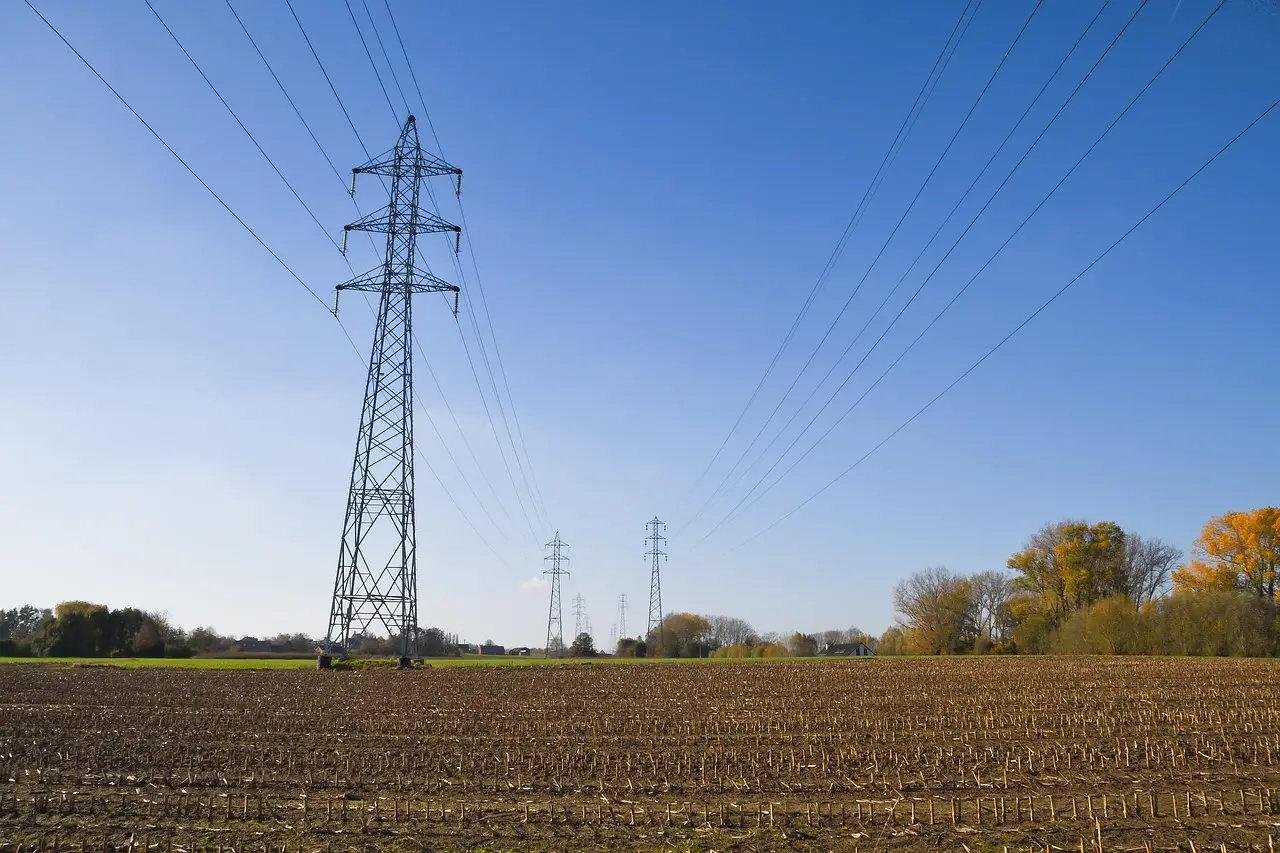
The bill adds to the public utility definition "an agency holding a certificate of environmental compatibility and public need from the power siting board for constructing an electric transmission line and associated facilities or gas pipeline and its associated facilities," according to the WCPO report. The quoted language names transmission lines and gas pipelines. It does not mention data centers.
That omission is the crux. Legal experts told WCPO that, under the new definition, a transmission developer might gain the power to condemn land that serves a data center. The bill's supporters dispute that reading, and the text itself offers no explicit answer. Nothing in the draft prevents a court from adopting the broader interpretation, and nothing compels it either.
Who is behind it, and what do they claim?
Republican state Sen. Bill Reineke of Tiffin, the incoming Senate president, is working on the bill, WCPO reported. His defense was direct. "It's important to me that landowners keep their rights, and this would not extend eminent domain to anyone who doesn't already have that privilege," Reineke said in a statement. He described the measure as a framework to simplify the existing process and to align Ohio with 45 other states.
That claim deserves scrutiny. The definition change would grant public utility status — and with it condemnation power — to a class of certificate holders who do not uniformly hold it today. Whether that counts as an extension depends on which holders already possess the privilege, a detail neither Reineke's statement nor the report specifies.
The Ohio Business Roundtable recommended in June that lawmakers extend possession authority to energy infrastructure projects once public use and necessity are established. The group's Alexandra Denney said it does not intend to expand eminent domain to anyone who lacks that ability today. Intent, however, is not statutory text. When WCPO read Denney the actual definition change, she said she would need to "look at" it.
Why farmers see a faster path to losing land
The draft also rewrites the appraisal process in a way that would make immediate land seizures easier, WCPO reported. Under current law, construction cannot begin while a landowner's court challenge is pending. The change would alter that protection, though the report does not detail the new mechanism.
The Ohio Farm Bureau is watching. Evan Callicoat of the Bureau said the group is aware of efforts to allow a "quick take of property without first paying for the property." He drew a careful line: the Bureau does not oppose data centers, but it does oppose violations of property rights.
For data center operators and their energy suppliers, the bill promises a faster route to the substations, transmission corridors and pipeline connections that gigawatt-scale campuses require. For landowners, it raises the prospect of losing ground — and compensation timing — before a judge has ruled.
The draft remains unnumbered and unintroduced. Whether Reineke's framework survives contact with the definition language, and with the Farm Bureau's opposition, will determine if Ohio's data center buildout gains a condemnation tool its 21 restive cities just voted to resist.
Source: mlq.ai
More from Sophie Lindqvist
Show full bio
News editor covering money, funding and market shifts around Semiconductors, chip manufacturing, hardware, AI compute at Chip Dispatch.
1,153 articles
Related articles
off-grid-data-centers-gain-fans-but-permits-still-govern
Off-Grid Data Centers Gain Fans, but Permits Still Govern
senate-bill-nears-vote-with-35-billion-data-center-grid-cost
Senate bill nears vote with $35 billion data-center grid cost
house-bill-would-ban-data-centers-on-forest-service-and-interior-land
House Bill Would Ban Data Centers on Forest Service and Interior Land
senate-clears-73-25-hurdle-for-data-center-power-bill
Senate Clears 73-25 Hurdle for Data Center Power Bill