M-Vave FM-1: $59.72 Synth Becomes Open Firmware Platform
M-Vave's $59.72 FM-1 synth is now an open firmware platform with an SDK, GPLv3 application code, and community builds from a Commodore 64 SID emulator to eight-track grooveboxes.
- By
- Grace Kim
- Filed
- Channel
- Consumer Tech
- Read
- 4 min read
M-Vave sells the FM-1 frequency-modulation synthesizer for $59.72 after fees, and by October the $60 device had become an open firmware platform with more custom projects than any single writer could cover. On October 17, M-Vave announced FM1 Open, a package that invites owners to build their own firmware for the pocket synth.
How did a bargain synth become an open platform?
The FM-1 launched as a pocket cousin of the Yamaha DX7. It did what the box promised and little else. In July, tinkerers on Reddit's r/synthdiy board began reverse-engineering the stock firmware. Custom firmware started appearing by September. Less than a month into October, the community had produced a catalog of alternative operating systems for the hardware.
M-Vave chose openness over lockdown. Instead of patching against the modders, the company shipped:
- FM1 Open, announced October 17
- A software development kit
- A browser-based workbench
- Stock firmware version 15, now an open platform to flash and build on
The application source ships under GPLv3. M-Vave even includes an in-browser emulator to test custom firmware before touching real hardware. One caveat remains: the underlying synth engine is still a closed binary. Only the application layer of the stack is open.
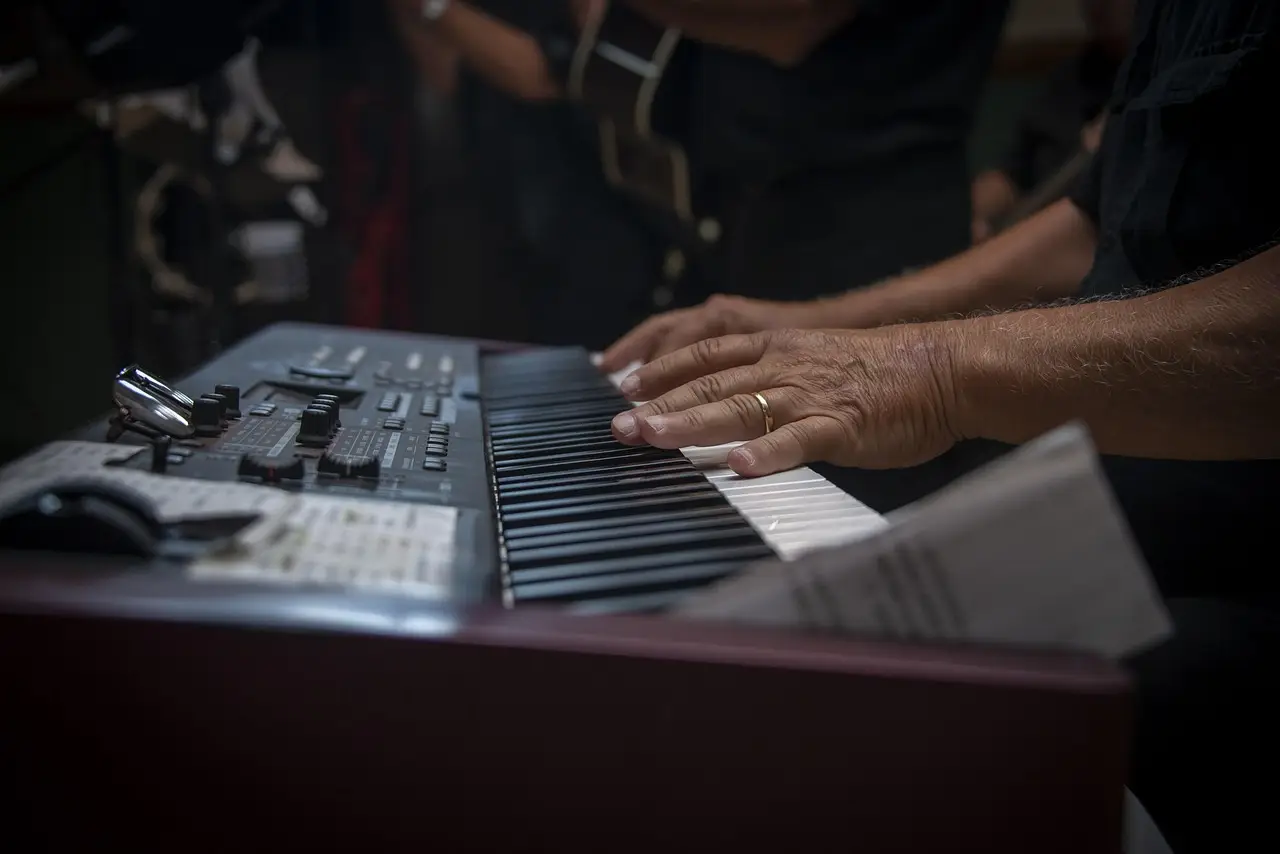
The hardware supports the ambition. The unit carries 27 physical piano keys and a 1.54-inch TFT display, a combination suited to musical and non-musical projects alike.
What are the risks of flashing?
The JieLi chip inside stores firmware in a single flash bank. An interrupted update can leave the device difficult to recover. Flashing also wipes all saved projects and settings, so users should back up first.
Community guides recommend updating to stock v15 before installing anything custom. One reviewer learned this the hard way. The shipped unit ran v14. An attempt to flash Doom directly onto v14 failed about 80 percent through, leaving the device unable to communicate with installers. The force-flash tool in the FM1 Workbench restored stock v15 in about 10 seconds.
Community guidance from the fm1-custom-fw GitHub project:
- Charge the FM-1 fully and connect it via USB
- Use a Chromium-based browser; installers depend on WebUSB and Web MIDI, so Firefox will not work
- Roll back to stock v15 before switching between custom firmware builds, or use TransitFM1, a bridge firmware by Quixotic7 with crash-guarded boot stubs and stock v15 identity emulation
- Never unplug or power off during a write, and keep the host PC awake
What can the custom firmware do?
Doom. The FM-1 runs the 1993 shooter on its 240 x 240 display, playable on mini piano keys. The short draw distance produces occasional jump scares, but the port plays surprisingly well on a $60 synthesizer.
Melodee. This package draws on the mid-1980s Casio CZ-1 and its phase distortion synthesis rather than the DX7. It bundles four engines: a CZ-1 emulator, a DX7-style engine, an 808 percussion engine and a Commodore 64 SID chip emulator. It effectively converts the FM-1 into a pocketable chiptune keytar.
Felucca. This is the foundation for many other community projects. The stock firmware plays one instrument at a time. Felucca runs independent instruments simultaneously, enabling full-band arrangements from a single player. It offers more than a dozen sound engines, spanning phase distortion to virtual analog, plus a built-in sampler, an in-browser RAW web editor and a full multi-track pattern sequencer on the device.
SLOOP. Built on Felucca's engines, SLOOP turns the FM-1 into a groovebox: a self-contained studio operated without a PC. Users program drums and bass on a grid, chain loops and layer sounds live. The result is an eight-track, battery-powered beat maker that fits in a pocket.
Can it record?
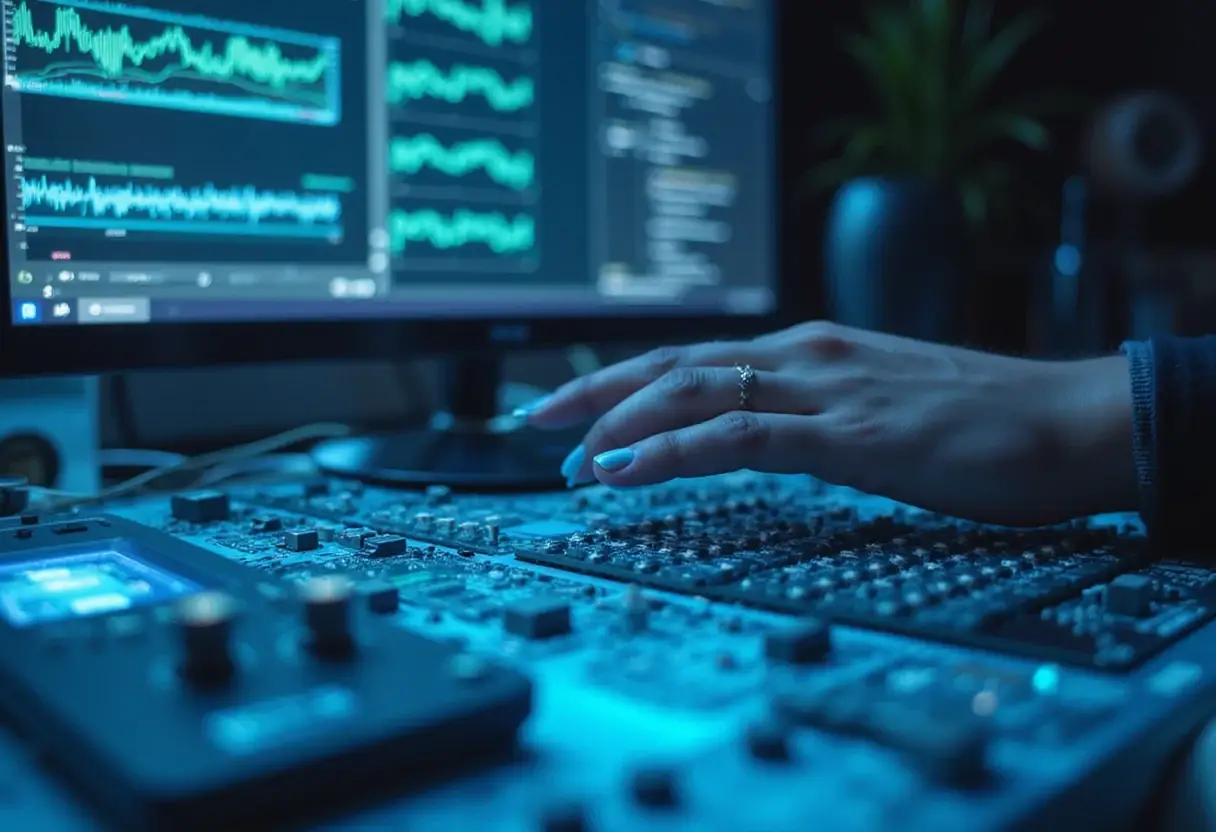
Yes. Connected to a PC over the same USB port used for flashing, Felucca appears in Audacity as a recording device. Any instrument or effect can be recorded live to tracks. The FM-1 also records on its own: after about 15 minutes with the Felucca cheat sheet, one user assembled a four-track beat loop entirely on the device. Tracks transfer to a PC by recording playback into Audacity, with live volume fades and modulations captured in real time.
The soft-touch keys have a limit. Larger fingers occasionally slip onto adjacent keys, forcing occasional retakes.
Why does it matter?
The FM-1 demonstrates how a low price plus official SDKs can turn a commodity gadget into a developer platform within months. M-Vave has followed the community's lead rather than fighting it. At $59.72, the barrier to experimentation is low enough that buyers order second units as gifts, and the firmware catalog keeps growing.
Source: Ars Technica
More from Grace Kim
Show full bio
Market editor covering people, launches and day-to-day practice in Semiconductors, chip manufacturing, hardware, AI compute at Chip Dispatch.
734 articles
Related articles
amd-acquires-mext-to-extend-dram-onto-flash-as-memory-prices-surge-c55cecbf
AMD Acquires MEXT to Extend DRAM Onto Flash as Memory Prices Surge
texas-instruments-and-infineon-upgrade-to-zephyr-project-platinum-6e5c2692
Texas Instruments and Infineon Upgrade to Zephyr Project Platinum
bytedance-and-mediatek-discuss-custom-ai-data-center-chips-5df873be
ByteDance and MediaTek Discuss Custom AI Data Center Chips
bytedance-in-talks-with-mediatek-for-ai-data-center-chips-c692cf3d
ByteDance in Talks With MediaTek for AI Data Center Chips