Malaysia Customs Seizes $13 Million in AI Chips at Kuala Lumpur Airport
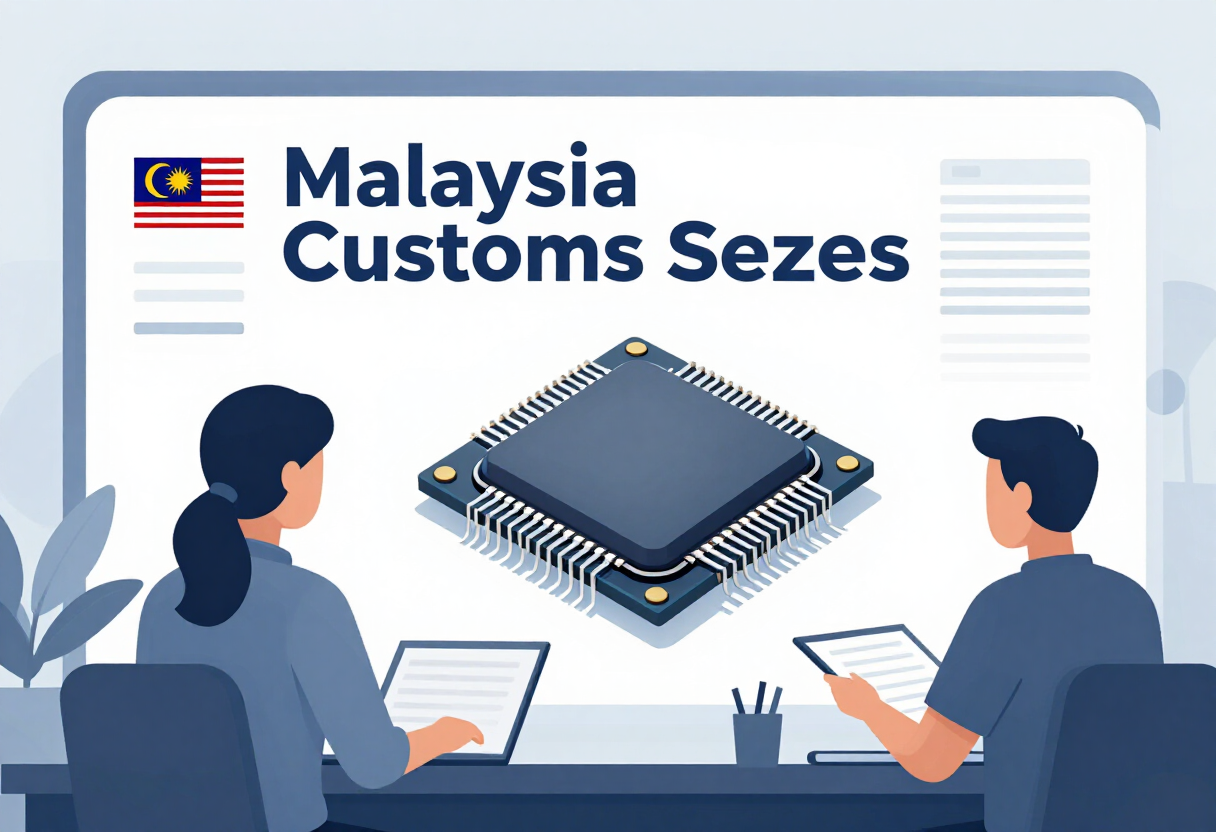
Malaysian customs seized AI chips worth $13 million at Kuala Lumpur airport, Reuters reports, highlighting enforcement risks for semiconductor shipments moving through Southeast Asian hubs.
- By
- Rebecca Stone
- Filed
- Channel
- Chips & Policy
- Read
- 2 min read
Malaysian customs authorities have seized artificial intelligence chips with an estimated value of $13 million at Kuala Lumpur's international airport, Reuters reports.
The shipment, intercepted at the country's main air cargo hub, adds Kuala Lumpur to the growing list of transit points where enforcement agencies have intercepted high-value semiconductors moving through informal or unauthorized channels. Reuters did not specify the chip manufacturer, the intended destination, or the number of units in the consignment, and Malaysian officials have not yet publicly detailed the legal basis for the seizure.
The dollar figure alone signals the scale of the gray-market traffic in AI accelerators. A single $13 million consignment implies either a large volume of mainstream data-center GPUs or a smaller quantity of top-bin parts, which at current street pricing can command five figures per unit. It also illustrates the practical challenge facing customs agencies: AI accelerators are compact, high-value, and easy to move by air freight — the same physical properties that make them attractive to smugglers make them difficult to police at ports.
Kuala Lumpur sits on one of Asia's busiest air-cargo routes, and Malaysia has positioned itself as a semiconductor packaging and logistics hub, with major OSAT operations concentrated in Penang. That commercial role cuts both ways: it generates legitimate chip traffic in volume, and it provides cover for consignments that warrant closer inspection.
Reuters' report does not state whether the seized chips are subject to export controls, whether the shipment originated from a sanctioned party, or whether arrests followed. Authorities in Malaysia have periodically detained cargoes linked to sanctioned semiconductors and dual-use components, and further detail on this case is expected as customs completes its investigation.
For AI chip suppliers and their distribution partners, the seizure is a reminder that enforcement risk now extends well beyond the export-licensing desks of the United States and the Netherlands to the transshipment hubs of Southeast Asia — and that penalties will land on hardware in motion, not just on paperwork.
Source: Google News: AI chips
More from Rebecca Stone
Related articles
intel-malaysia-expands-advanced-packaging-in-penang-for-ai-chips-dcb8f094
Intel Malaysia Expands Advanced Packaging in Penang for AI Chips
malaysia-weighs-huawei-ai-chips-despite-us-export-warnings-31f4699e
Malaysia Weighs Huawei AI Chips Despite US Export Warnings
intel-malaysia-expands-advanced-packaging-as-ai-chips-grow-more-complex-137993ca
Intel Malaysia expands advanced packaging as AI chips grow more complex