Memory & Storage · 4 min read
Memory prices rise tenfold as SK Hynix sells out through 2029
Some memory prices have risen tenfold in a year. SK Hynix is sold out through 2029, Micron has presold $150 billion, and buyers now sign five-year prepaid contracts to secure supply.
Key takeaways
- Some memory chip prices have risen 10 times in the past year, the WSJ reported on Nov. 26
- SK Hynix has sold out DRAM and HBM through 2029; Micron has presold at least $150 billion under multiyear contracts
- Buyers and suppliers now sign binding contracts of up to five years requiring 25-30% prepayment, per Citi's Peter Lee
- Counterpoint Research expects DRAM capacity to grow 50% from 2026 to 2028, with the shortage lasting until new factories open in 2028
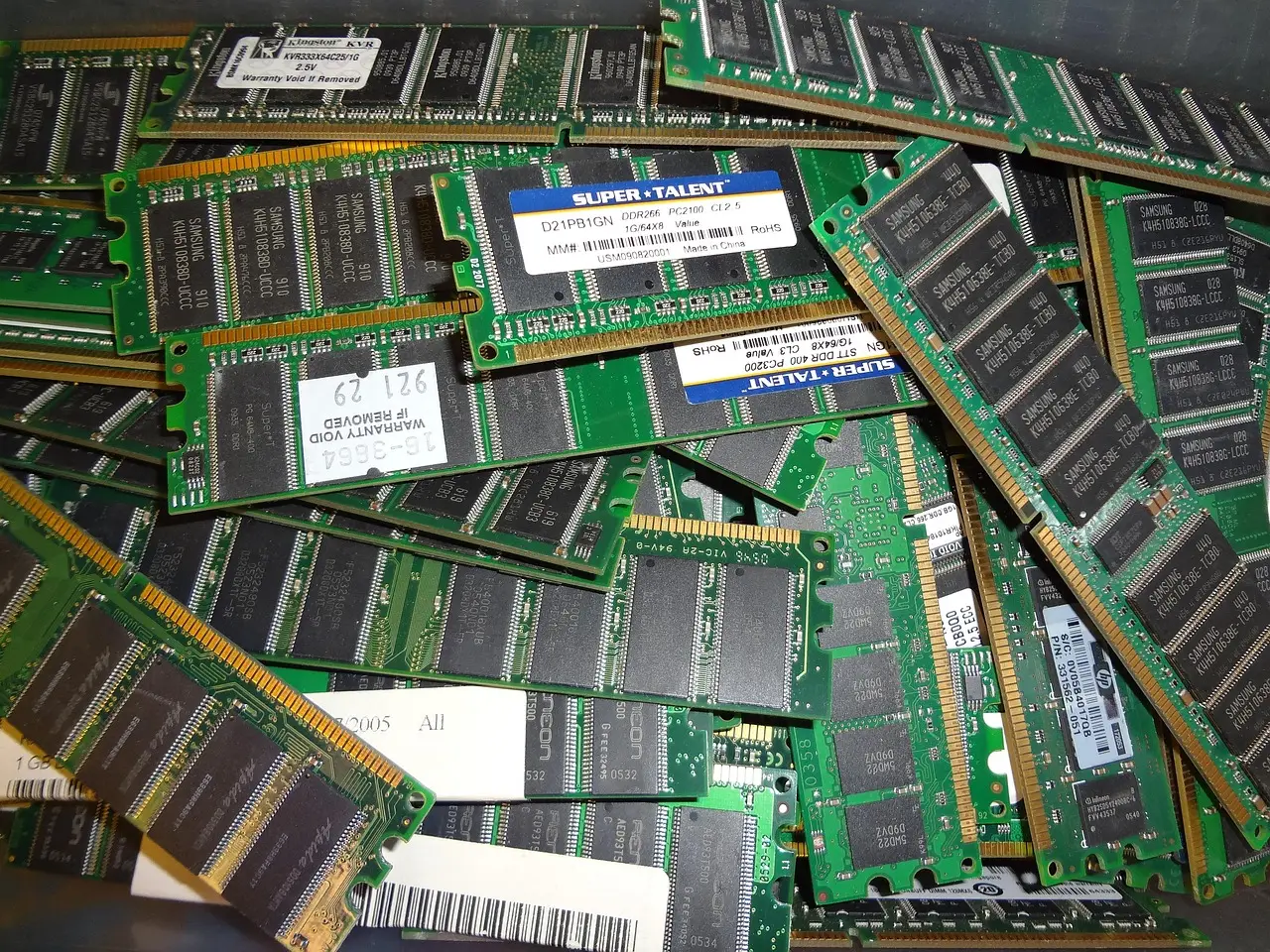
The price of some memory chips has risen tenfold in a year, and SK Hynix has sold out its DRAM and high-bandwidth memory supply through 2029, The Wall Street Journal reported on Nov. 26. The shortage, driven by AI data centers absorbing the industry's output, is pushing buyers into procurement war rooms and forcing suppliers to rewrite how memory is sold.
Micron has presold at least $150 billion of supply under multiyear contracts, according to the Journal. Samsung Electronics, SK Hynix and Micron Technology are signing multiyear agreements that require customers to commit cash years before chips arrive, DigiTimes reported the same day.
How is the market for memory changing?
Handshake agreements once governed long-term memory supply. Both buyers and suppliers now want binding contracts of up to five years that demand prepayment of 25% to 30% of the purchase cost, or even shared spending on new factories, Citi semiconductor analyst Peter Lee told the Journal.
SK Hynix chief financial officer Kim Woo-hyun set the horizon on the company's earnings call last month. "A situation where supply cannot keep up with demand is expected to persist for some time, a constraint projected to continue through 2030," he said, as quoted by the Journal.
Counterpoint Research expects industrywide DRAM capacity to grow 50% from 2026 to 2028, and the shortage should last at least until new factories open in 2028. In plain terms, capacity is coming, but not fast enough to relieve buyers before 2028.
What are buyers doing to get chips?
Many clients of the Las Vegas supply-chain consultancy Seraph run sourcing teams six days a week in makeshift war rooms, cold-calling hundreds of brokers for loose inventory, chief executive Ambrose Conroy told the Journal. One client, a U.S. developer of driver-assistance systems, paid as much as 40 times its budgeted price for a component.
Taiwanese flash-drive maker Apacer has taken out loans so it can buy chips the moment supply appears. "If chips show up, we take it," president Gibson Chen said. "This is crazy, but there's no other way."
Karma Automotive chief executive Marques McCammon has flown to South Korea four times in six months to meet a memory supplier. Some AI companies station staff in residences outside Samsung's fabs to keep deliveries on track.
Even the largest buyers face limits. Elon Musk offered Samsung a long-term purchase commitment for Tesla, then financing guarantees for new fabs, and was told each time that everyone else was offering the same, Capital Group portfolio manager Carl Kawaja recalled at a June conference. Capital Group and Samsung declined to comment; Tesla did not respond.
Smaller buyers lose out first. Arizona defense-communications maker W5 Technologies said servers it ordered were reallocated to a "more important order" days before delivery. Framework Computers said memory suppliers pulled out of agreements, forcing it to cut memory in preordered PCs; prices of some of its high-end desktops are up about 70%.
Australia's Blackmagic Design has raised the price of a live-production system three times, from about $120,000 to about $175,000, and had an Indonesian warehouse holding about $100,000 of flash products robbed. "They're not memory chips, they're memory bullions," chief executive Grant Petty said.
What does this cost consumers?
Apple, citing memory prices, raised MacBook prices by $100 to $500 depending on the model, and the iPhone 18 Pro and Pro Max start $100 higher than last year's models. The Xbox costs 33% more than a year ago at $600. The Amazon Echo Dot is 60% more at $80, and Meta raised the Quest 3 by $50 to $350. Motorola halved storage on its latest Edge phone to 128GB and still raised the price by $50, to $600.
The squeeze reaches beyond Western markets. African smartphone shipments fell 40% in the third quarter under the pressure of memory's rising share of budget-phone costs.
The boom is also generating cash for suppliers, visible in SK Hynix's value-up filing, while Kioxia and Nvidia showed this week how SSDs can stretch GPU memory to 1.1 petabytes. With capacity set to expand 50% by 2028 and presold supply already stretching past $150 billion at Micron alone, the balance of power in memory pricing stays with the three makers until those new factories come online.
mlq.ai (Source)
More from Tom Whitfield
Show full bio
Staff writer covering companies, deals and strategy in Semiconductors, chip manufacturing, hardware, AI compute at Chip Dispatch.
1,303 articles