Apple's Memory Bill Climbs $33 Billion as RAM Prices Surge Into 2027
Apple's manufacturing bill has risen $33 billion as AI demand tightens DRAM and NAND supply, with memory costs expected to climb through the December quarter and into 2027.
- By
- Tom Whitfield
- Filed
- Channel
- Memory & Storage
- Read
- 3 min read
Apple's manufacturing bill has climbed by $33 billion in just a few months, and the company expects memory costs to keep rising through the December quarter and into 2027. The increase lands at the worst possible moment: the start of the holiday shopping season, when memory sits inside nearly every product Apple ships.
Apple's CEO, John Ternus, called the price movement historic during the company's November 2 earnings call. "What we're seeing with memory pricing right now is unprecedented," he said.
What is driving the increase?
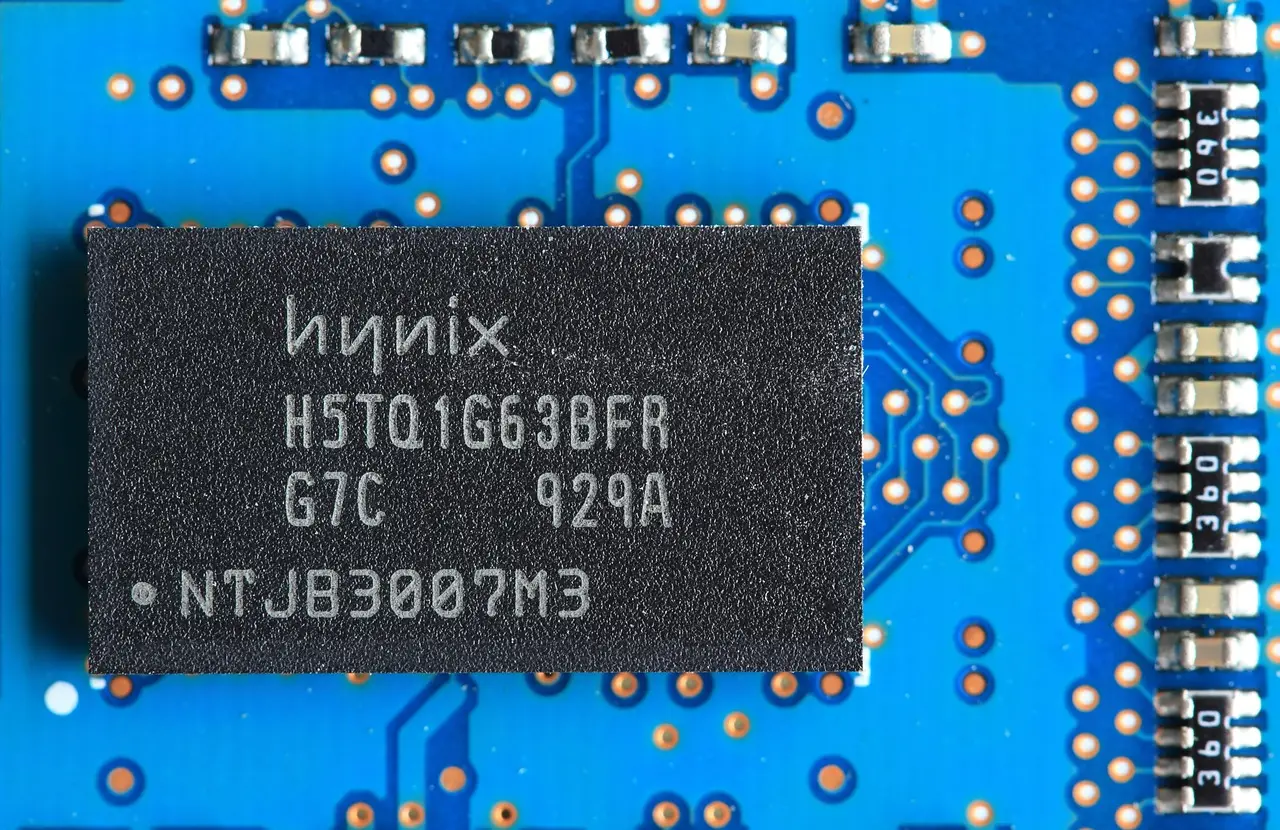
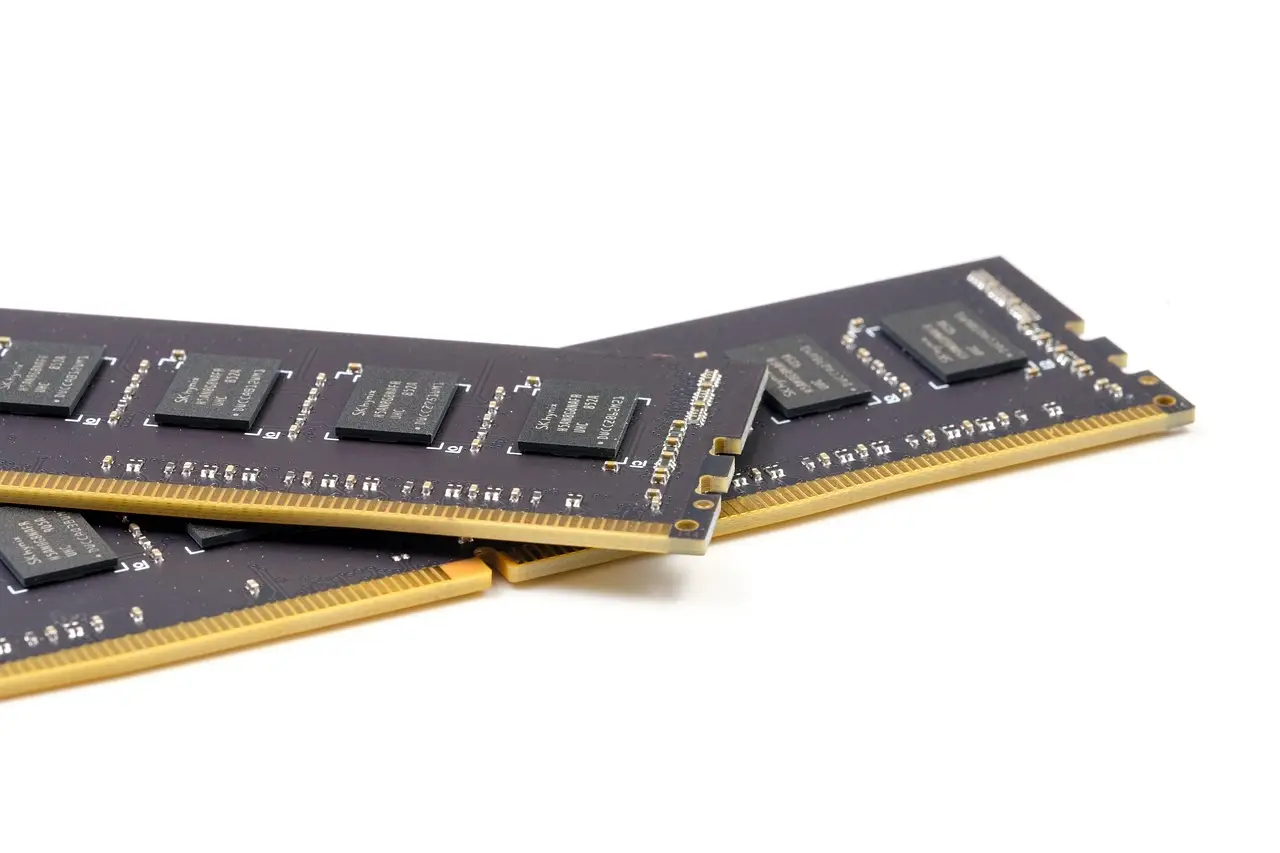
Demand for AI infrastructure is tightening supply of DRAM and NAND flash. Data center builders are absorbing capacity that consumer electronics makers once bought cheaply, and the three major memory suppliers — Samsung, SK Hynix and Micron — all describe a market where demand outruns supply.
Samsung, a key supplier of DRAM, NAND and OLED displays for Apple, said last month that memory demand would far exceed supply as AI infrastructure expands. Its memory division reported a quarter-on-quarter increase in DRAM average prices in the third quarter, while NAND prices rose by high-teen percentages. A senior executive vice president of Samsung's memory business warned the supply crunch could extend to 2028 and beyond.
SK Hynix delivered a similar message. The company said it has secured long-term agreements covering more than half of its production capacity for 2027 and 2028. Micron, Apple's third major memory supplier alongside Samsung and SK Hynix, said in its latest outlook that supply shortages in memory and storage could take "considerable time" to improve.
The mechanism is simple: when AI buyers lock in multi-year contracts, less capacity remains for phones, laptops and tablets, and spot prices rise for everyone else.
How has Apple responded so far?
Ternus explained the sequence on the earnings call. Memory costs were higher in the September quarter than in the June quarter, partly offset by inventory bought at lower prices and by falling costs on certain non-memory components. For the December quarter, he expects costs to rise again.
"We changed the price on many of our products, including Mac and iPad at the end of June and iPhone in September, and these price increases provided some offset," Ternus said.
That cushion is thinning. Apple has relied on three levers: cheaper inventory, cost cuts elsewhere in the bill of materials, and retail price increases. The inventory buffer was built deliberately. In July, then CEO Tim Cook described the memory market as a "hundred-year-flood," and the company had expanded its inventory to $11.09 billion to shield itself from price and supply pressure.
The pressure has been building all year. In January, Apple was already scrambling to secure memory supplies, with Cook warning that rising prices could hit earnings. By June, the costs reached consumers directly: Apple raised prices across several Mac and iPad models, including a $400 increase to the starting price of the MacBook Pro.
Can Apple keep absorbing the costs?
Apple has not announced another round of price increases. Sustained memory inflation touches every hardware category the company sells, and absorbing higher component costs indefinitely may prove difficult.
Dave Nicholson, Chief Research Officer at the Futurum Group, identified memory prices as a growing pressure point for Apple's margins and hardware pricing through the holiday season and into 2027. He also drew a distinction between Apple and the companies spending hundreds of billions of dollars on AI data center infrastructure. For Apple, the impact of higher component costs is easier to quantify than the eventual returns on massive AI capital expenditure, he said.
That difference cuts both ways. Apple cannot spread its memory bill across speculative future AI revenue; it must recover the cost through device prices or margins.
The supplier guidance sets the timeline. With Samsung warning of tight supply into 2028 and beyond, SK Hynix selling more than half of its 2027-2028 capacity under long-term contracts, and Micron expecting shortages to persist, Apple faces elevated memory costs for at least several more quarters — and the next pricing decision, whether margins absorb it or customers pay it, likely arrives before the 2027 fiscal year ends.
Source: Tom's Hardware
More from Tom Whitfield
Show full bio
Staff writer covering companies, deals and strategy in Semiconductors, chip manufacturing, hardware, AI compute at Chip Dispatch.
761 articles
Related articles
samsung-eyes-record-80bn-quarterly-profit-on-ai-memory-demand-d7765f16
Samsung Eyes Record $80bn Quarterly Profit on AI Memory Demand
samsung-flags-80-billion-profit-quarter-on-ai-demand-d89ba66a
Samsung Flags $80 Billion Profit Quarter on AI Demand
apple-s-inventory-jumps-154-as-memory-costs-bite-into-margins
Apple's Inventory Jumps 154% as Memory Costs Bite Into Margins
micron-samsung-see-memory-shortage-stretching-into-09669de7
Micron, Samsung See Memory Shortage Stretching Into 2028