Meta Puts Muse AI Agent on Apple Watch and Android Wear OS
Meta's Muse AI agent arrives on Apple Watch and Wear OS with voice, text and dictation, a month after its iPad app and weeks after new video-chat and Spaces features.
- By
- Tom Whitfield
- Filed
- Channel
- Consumer Tech
- Read
- 3 min read
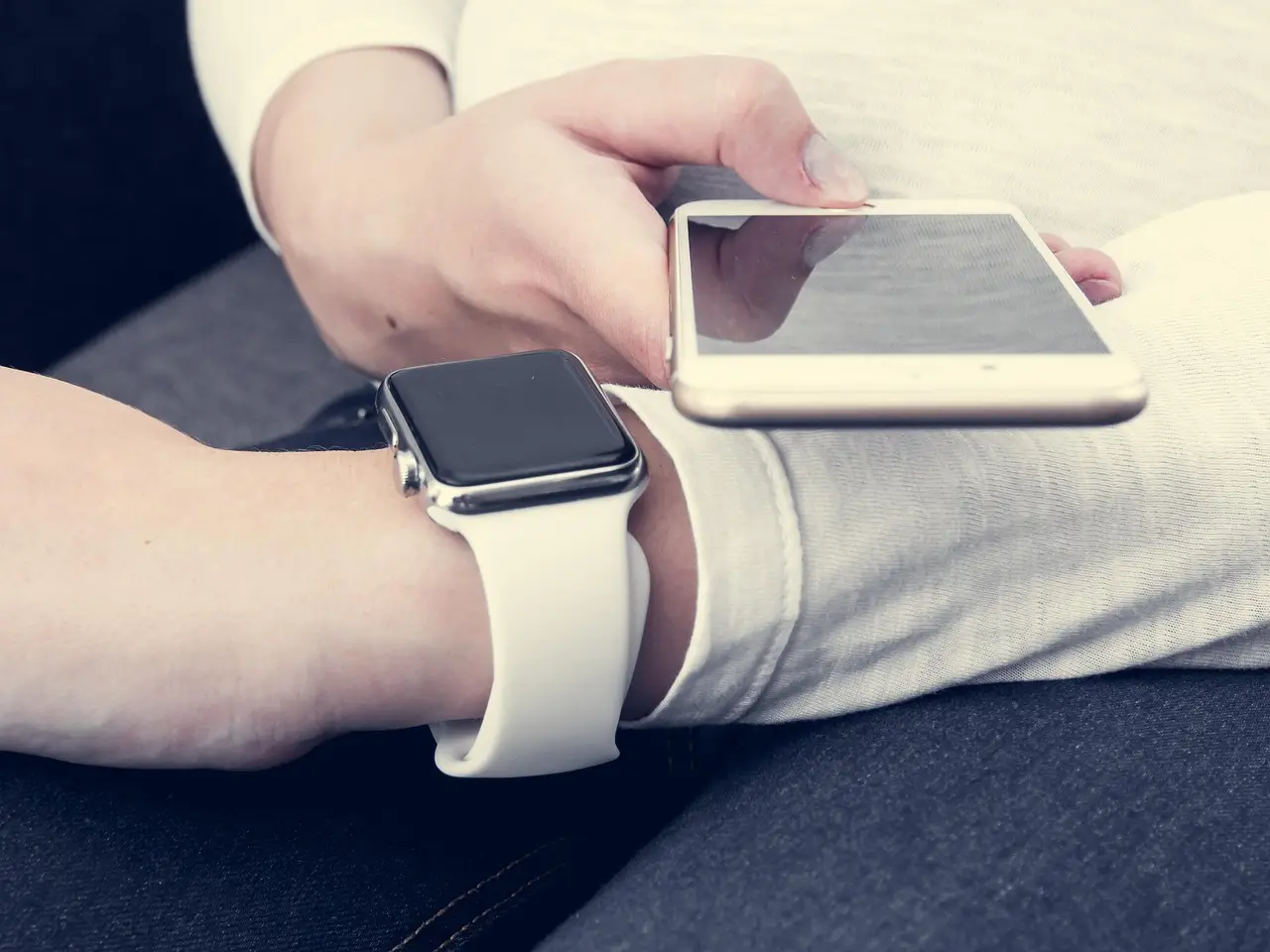
Meta has brought its Muse AI agent to the Apple Watch and Android's Wear OS, the company announced on Monday. Users can now reach the assistant on a smartwatch through voice calls, text messages, or dictation. The move puts a conversational agent on the smallest screen Meta has yet addressed, and it does so on rival platforms rather than Meta's own hardware.
The timing is tight. The smartwatch launch comes one month after Meta introduced a dedicated iPad app for Muse. The assistant first launched on the App Store in September. Taken together, the sequence shows a deliberate push across Apple's device families in a single quarter.
How fast is Muse growing?
The product has an early adoption record few apps match. Muse became one of just 12 mobile apps to surpass 10 million U.S. downloads within their first 40 days on the App Store. Only 11 other apps have hit that milestone, and the most recent before Muse was Meta's own Threads in July 2023. That figure is a confirmed download count from the App Store, not an analyst projection.
What can the agent actually do?
Muse now sits among dozens of consumer-facing AI agents competing for user attention. Like its competitors, it connects to user accounts to manage email, meetings, bills, and similar chores. It also handles tasks such as booking reservations, ordering groceries, setting goals, and making purchases. Users can personalize their Muse avatar so it resembles a person, an animal, or another type of character.
The through-line is delegation: Muse is built to act on a user's behalf rather than only answer questions.
What did Meta add this month?
A few days ago, Meta launched Spaces, a new way to communicate and collaborate with the agent. Spaces are dedicated conversations around specific topics, and Meta describes them as "custom experiences" because they behave as mini apps built on the fly. They appear in the sidebar of the Muse interface and open a focused conversation where the agent works toward a particular goal for the user.
Last week, Meta rolled out video chat with the Muse AI avatar for U.S. users. Meta said the avatar will use "subtle expressions and gestures" that reflect the tone and context of the conversation as it speaks. The agent does not see the user; it hears them and responds in real time. That distinction matters for privacy expectations, and Meta has stated it plainly.
Why the wrist matters for Meta
Muse is a relatively new product, yet Meta has wasted little time adding capabilities to it. The expansion path — App Store in September, iPad app last month, smartwatches this week — signals growing ambitions for the consumer AI product and a focus on making Muse a central part of Meta's ecosystem. Notably, the strategy runs through Apple's App Store and Google's Wear OS rather than Meta hardware alone. The wrist is also where voice interaction beats typing, which suits an agent that can call, dictate, and message.
The open question is retention and monetization, and the source offers no figures on either. For now, Muse carries rare download momentum into a crowded field of AI assistants, and the smartwatch launch gives it a presence on the one screen users check most often.
Source: techcrunch.com
More from Tom Whitfield
Show full bio
Staff writer covering companies, deals and strategy in Semiconductors, chip manufacturing, hardware, AI compute at Chip Dispatch.
831 articles
Related articles
secretlab-s-179-ergoarch-monitor-light-bar-goes-on-sale-globally
Secretlab's $179 ErgoArch Monitor Light Bar Goes on Sale Globally
sundrop-turns-baby-photo-floods-into-recaps-and-time-lapses-no-cloud-ai
Sundrop Turns Baby Photo Floods Into Recaps and Time-Lapses, No Cloud AI
whatsapp-s-3-billion-users-drive-kunal-shah-s-simpler-product-push
WhatsApp's 3 Billion Users Drive Kunal Shah's Simpler-Product Push
adobe-previews-local-mcp-access-and-firefly-builder-at-max
Adobe previews local MCP access and Firefly Builder at MAX