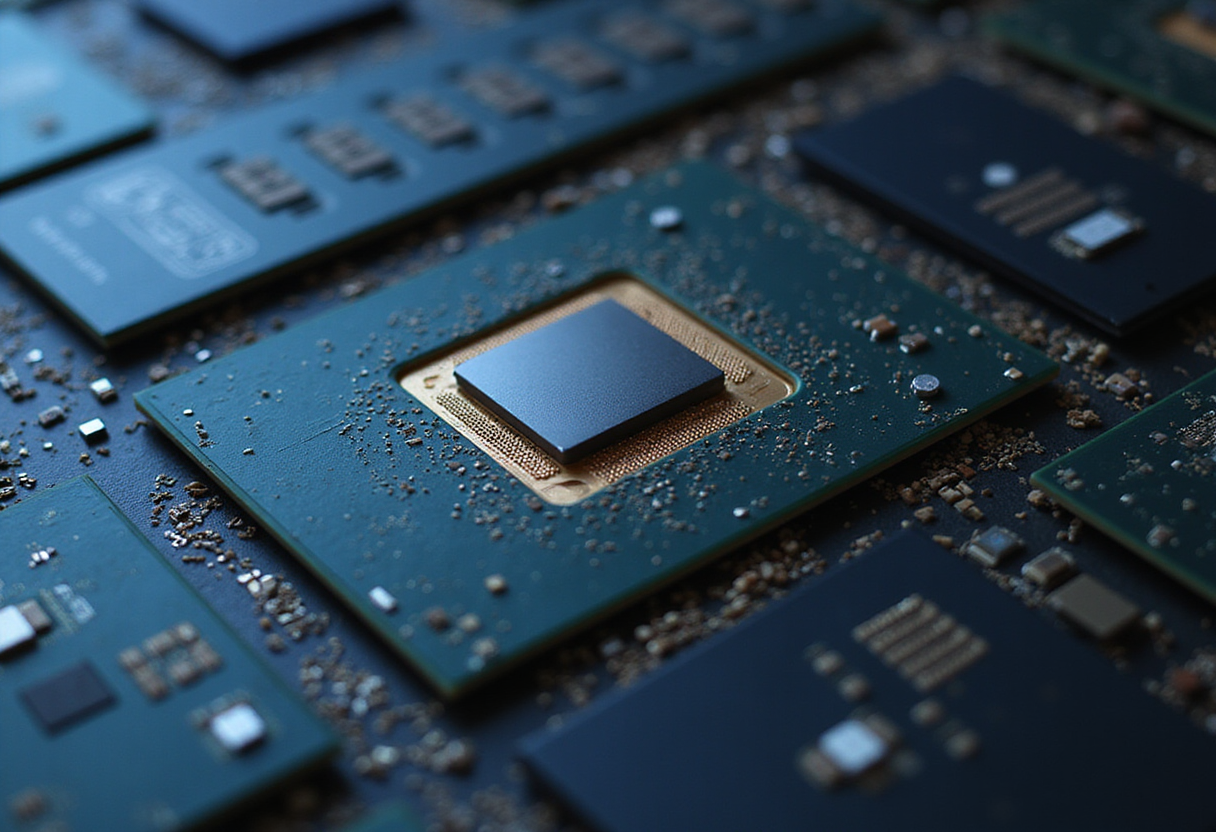
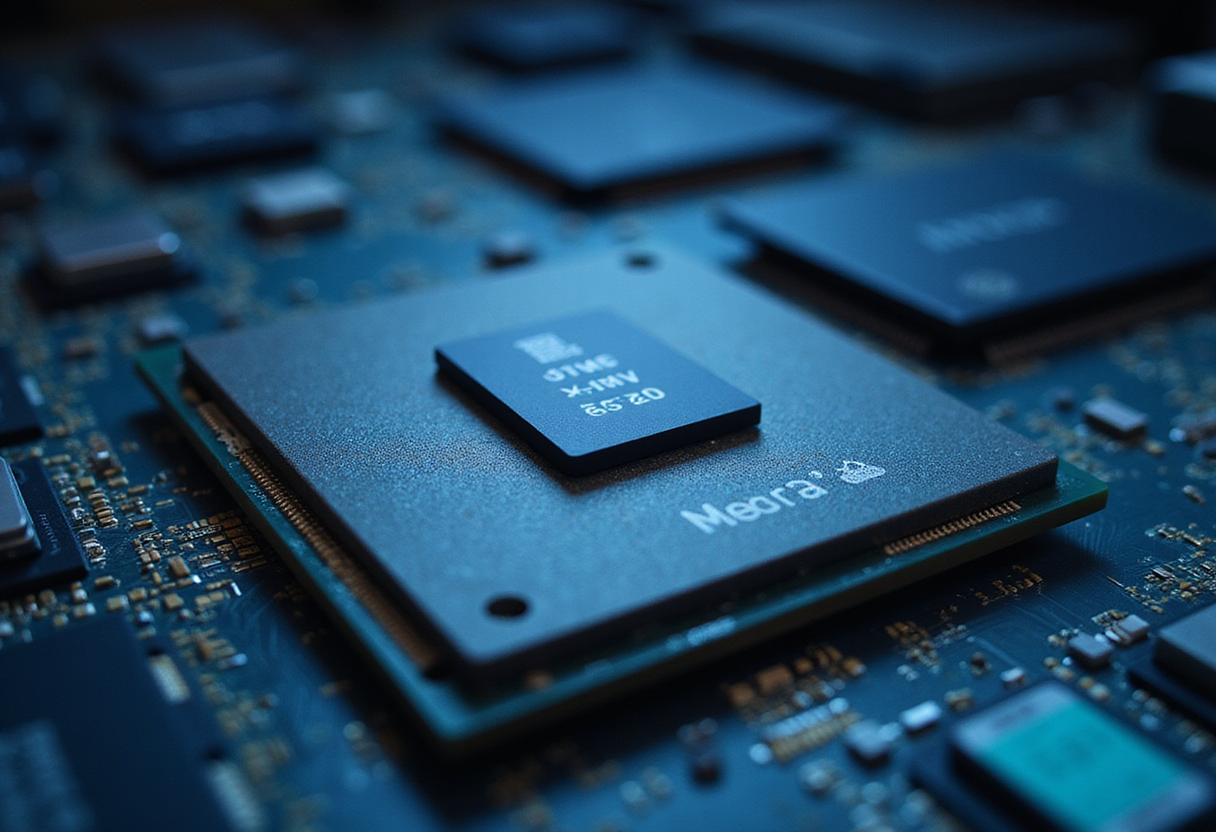
Microsoft Names Maia 300 as Its Next AI Accelerator
Microsoft has publicly named Maia 300 as its next AI accelerator, Businesskorea reports. The claim challenges Nvidia's dominance. No capacity, performance or launch figures accompany it.
- By
- Sophie Lindqvist
- Filed
- Channel
- AI & Compute
- Read
- 2 min read
Microsoft has unveiled Maia 300, its next in-house AI accelerator, and framed the part as a direct challenge to Nvidia's dominance in AI compute, Businesskorea reports. That single sentence carries the entire confirmed payload of the announcement. Everything else — process node, supplier, volume, launch window, price — remains undisclosed.
The strategic signal is clear. Microsoft builds its own silicon. It wants buyers and investors to believe that silicon can displace Nvidia GPUs inside its data centers. The name alone, Maia 300, tells us the part follows earlier Maia-generation parts in Microsoft's custom accelerator line.
What did Microsoft actually disclose?
Almost nothing beyond the name and the intent. Readers should treat this as a positioning exercise, not a product launch. Consider what a real launch normally includes, and what is missing here:
- No process node was named.
- No foundry or packaging partner was named.
- No performance, memory or interconnect specification was published.
- No production volume, capacity figure or shipment number was given.
- No launch date, availability window or price was attached.
Each omission matters. Process node and packaging determine supply; supply determines whether an internal chip can displace purchased GPUs at scale; displacement at scale is the only thing that would dent Nvidia's position.
Why announce a name without numbers?
Announcements stripped of specifications usually serve one of two purposes. Either the silicon works and the vendor is not ready to commit to a date, or the vendor wants credit for a roadmap before the silicon is proven. The Businesskorea report does not say which case applies. Microsoft has not said either.
The claim to challenge Nvidia deserves a specific caveat. Nvidia's dominance rests on shipped accelerators, a mature software stack and interconnect ecosystem, not on announcements. A named successor part with no disclosed volume cannot, by itself, change any purchase decision inside or outside Microsoft.
What the name does change is negotiating leverage. Every credible internal alternative weakens the argument that Microsoft must pay whatever Nvidia asks for its flagship AI accelerators, and even an unnamed-spec part serves that purpose in procurement talks.
What should buyers and investors watch next?
Three disclosures would convert this from positioning to product. First, a process node and foundry partner, which would indicate realistic capacity. Second, benchmark comparisons against Nvidia's current AI flagship line, run by a party other than Microsoft. Third, an availability date attached to a shipping customer workload, not a demo.
Absent those, the Maia 300 announcement is a promise with a name attached, and a promise without numbers has never moved a market. The competitive question — whether Microsoft can field Maia 300 in volumes that reduce its Nvidia spend — will be answered by supply data and procurement disclosures in the coming quarters, not by the unveiling itself.
Chip Dispatch was unable to verify specifications beyond the naming announcement. This report is based on a single Businesskorea item that contains no technical or financial figures.
Source: Google News: AI chips
More from Sophie Lindqvist
Show full bio
News editor covering money, funding and market shifts around Semiconductors, chip manufacturing, hardware, AI compute at Chip Dispatch.
496 articles
Related articles
microsoft-unveils-maia-300-its-next-ai-accelerator-c3cf1dc9
Microsoft Unveils Maia 300, Its Next AI Accelerator
microsoft-unveils-maia-300-its-next-gen-custom-ai-accelerator-9bf770e6
Microsoft Unveils Maia 300, Its Next-Gen Custom AI Accelerator
microsoft-rolls-out-third-gen-maia-300-ai-chip-frames-it-as-nvidia-alternative-9f49d96d
Microsoft Rolls Out Third-Gen Maia 300 AI Chip, Frames It as Nvidia Alternative
microsoft-targets-nvidia-dependence-with-maia-300-ai-chip-bf806ff4
Microsoft Targets Nvidia Dependence With Maia 300 AI Chip