Microsoft Puts Snapdragon X2 Plus Into Smaller Surface Laptop, Surface Pro
Microsoft has paired Qualcomm's Snapdragon X2 Plus with a 13-inch Surface Laptop and a 12-inch Surface Pro, pushing its Arm platform into compact territory.
- By
- Nathan Brooks
- Filed
- Channel
- Hardware & Components
- Read
- 2 min read
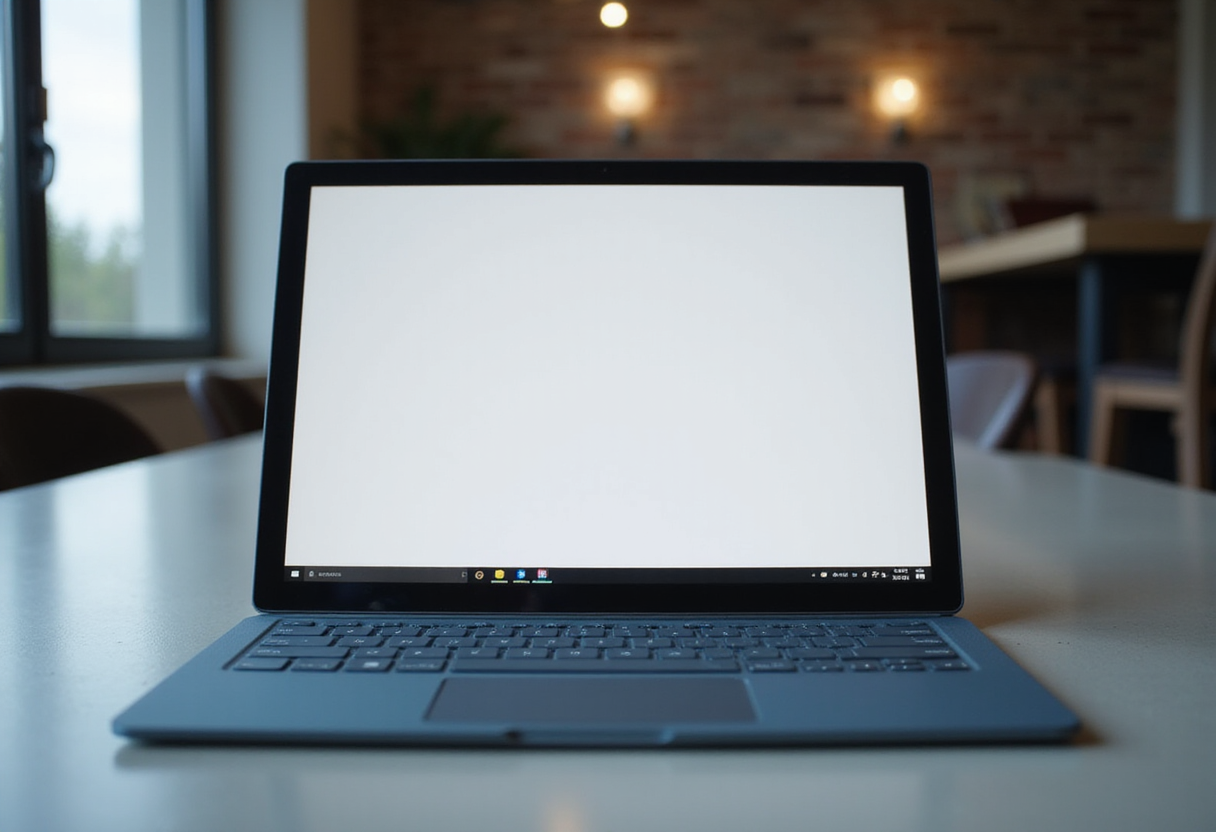
Microsoft has placed Qualcomm's Snapdragon X2 Plus inside its smallest Surface devices: a 13-inch Surface Laptop and a 12-inch Surface Pro. The move puts the mainstream tier of Qualcomm's second-generation Arm PC platform into the two most portable machines Microsoft sells.
The company confirmed the pairing of the Snapdragon X2 Plus with the 13-inch Surface Laptop and the 12-inch Surface Pro. These are the compact entries in the line. The decision matters because it signals where Microsoft expects Arm silicon to carry the volume: small, thin, battery-sensitive machines rather than performance-flagship skus.
Why the smaller chassis?
The choice of chassis size tells its own story. A 13-inch laptop and a 12-inch tablet impose the tightest thermal and battery budgets in the Surface range. Placing the X2 Plus there, rather than the higher tier of the platform, suggests Microsoft is designing these devices around efficiency and price rather than benchmark headlines. It is the same logic that carried the first Snapdragon X generation into mainstream laptops after 2024's Copilot+ launch.
For Qualcomm, the design win extends the second generation of its Windows-on-Arm effort into the volume segment of Microsoft's first-party hardware. First-party machines carry outsized weight in the Windows ecosystem. When Microsoft ships a chip in a Surface, independent PC makers read it as a reference design, not merely a product decision.
What remains unconfirmed
Microsoft has not, in the material at hand, published pricing, full specifications, or release dates for the two devices. Nor has it detailed which regions will receive them first. Until it does, any figure circulating on capacity, availability, or price should be treated as estimate rather than fact.
The competitive frame is nonetheless clear. Intel and AMD both chase the same thin-and-light Windows market with x86 parts, and Apple's Arm-based MacBooks set the efficiency bar the entire Windows-on-Arm effort answers. Qualcomm's X2 generation is the second attempt to close that gap at scale.
The first generation proved Arm Windows could ship in volume; it did not prove Arm Windows could dominate. The second generation, now reaching Microsoft's compact hardware, will test whether the platform graduates from novelty to default. Pricing and availability details, when Microsoft releases them, will tell us how seriously it intends to fight that round.
Original: threads.net
More from Nathan Brooks
Show full bio
Senior reporter covering people, launches and day-to-day practice in Semiconductors, chip manufacturing, hardware, AI compute at Chip Dispatch.
370 articles
Related articles
microsoft-bets-on-ai-with-new-premium-priced-surface-laptop-40b0f6eb
Microsoft Bets on AI With New Premium-Priced Surface Laptop
microsoft-s-2-599-surface-laptop-ultra-puts-nvidia-rtx-spark-in-first-arm-pc-35164c89
Microsoft's $2,599 Surface Laptop Ultra Puts Nvidia RTX Spark in First Arm PC
arm-falls-9-as-chip-stock-selloff-deepens-across-sector-10af65d1
Arm Falls 9% as Chip Stock Selloff Deepens Across Sector
mediatek-set-to-overtake-samsung-in-flagship-smartphone-aps-8ca1bd90
MediaTek Set to Overtake Samsung in Flagship Smartphone APs