Microsoft Unveils New Maia AI Chips to Cut Nvidia Reliance
Microsoft has unveiled new Maia AI chips, deepening its custom silicon program and escalating the hyperscaler effort to reduce dependence on Nvidia GPUs.
- By
- Grace Kim
- Filed
- Channel
- AI & Compute
- Read
- 2 min read
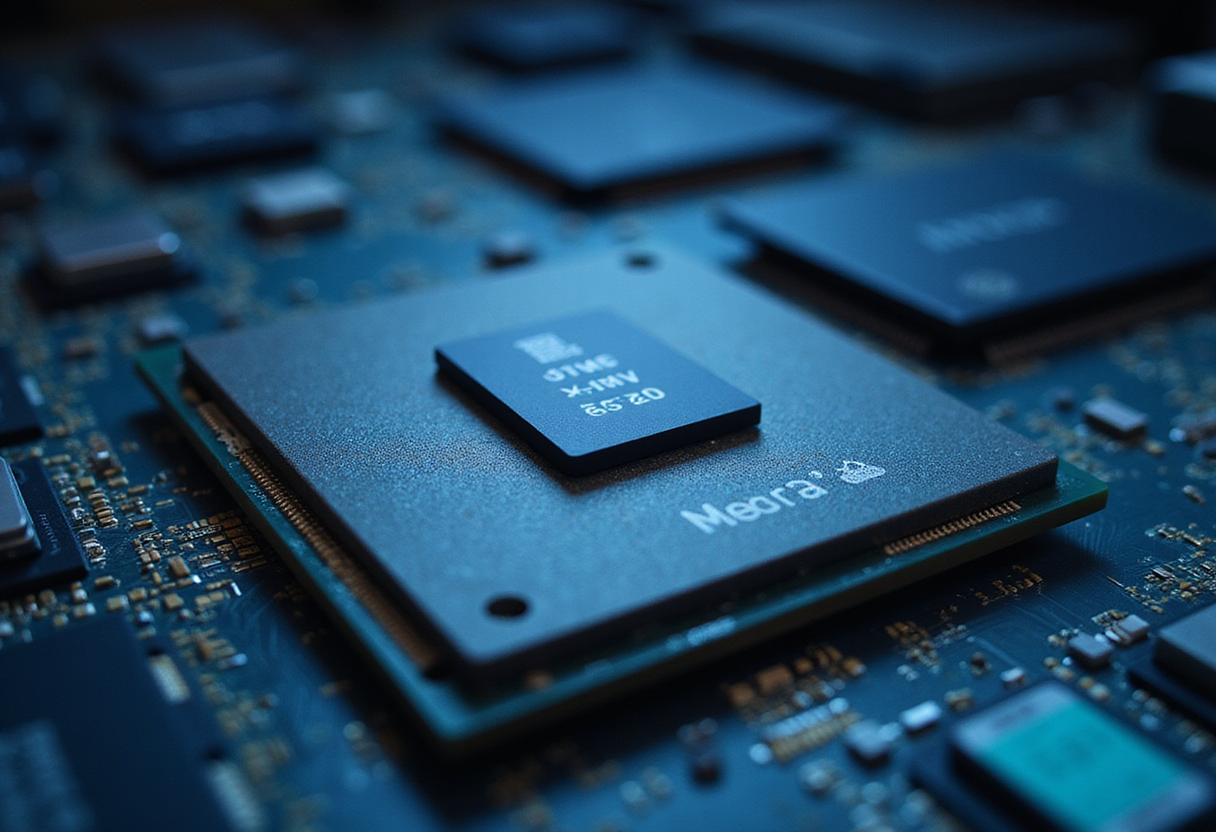
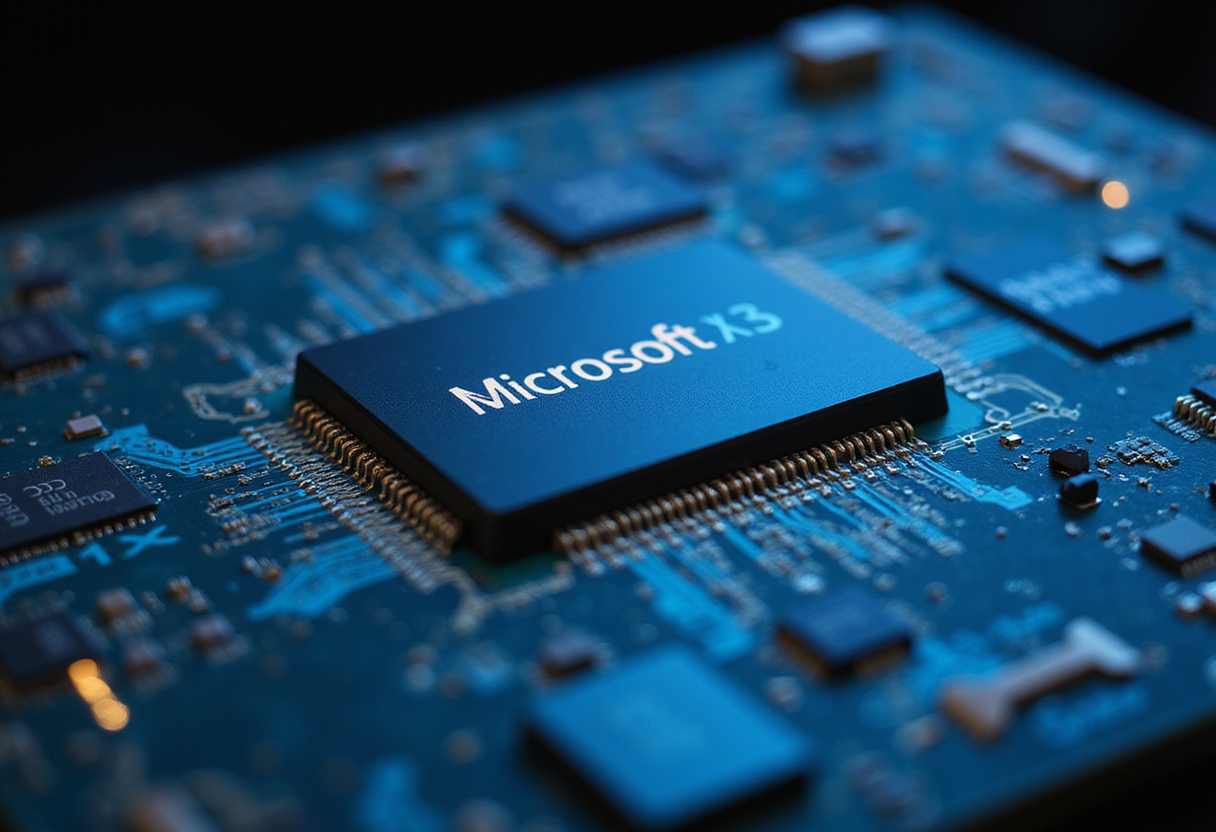
Microsoft has unveiled a new generation of its Maia AI chips, escalating its effort to reduce dependence on Nvidia GPUs for the compute that powers its cloud and AI services.
The announcement confirms what supply-chain watchers have tracked for some time: Microsoft is no longer treating custom AI silicon as an experiment. Maia is now a recurring product family inside the company's infrastructure roadmap, positioned alongside — not behind — the merchant GPUs it buys in volume from Nvidia.
The commercial logic is straightforward. Nvidia's accelerators carry premium pricing and constrained availability, and hyperscalers that depend on them face both margin pressure and allocation risk. By designing Maia in-house, Microsoft gains a second lever: it can tune the silicon to its own workloads, negotiate harder with suppliers, and shield part of its AI capacity expansion from GPU market tightness.
What does the new Maia generation signal?
A second-generation unveiling matters more than a first. It tells customers and competitors that Microsoft's silicon team cleared the hurdles of initial deployment — software compatibility, cooling, yield — well enough to commit further engineering resources. Custom accelerator programs live or die on iteration; a follow-up chip signals survival.
For Nvidia, the calculus shifts gradually rather than dramatically. Microsoft will keep buying large volumes of GPUs for years, and Maia-class silicon covers only the workloads Microsoft chooses to port. But every wafer of in-house accelerators that Microsoft fields is a order Nvidia does not receive at the margin, and hyperscaler insourcing is now the single most watched competitive pressure in the AI chip market.
Who else is racing down the same path?
Microsoft is not alone. Amazon builds its Trainium and Inferentia families through Annapurna Labs; Google has iterated its TPU line across multiple generations; Meta deploys its MTIA silicon. Maia places Microsoft firmly inside that cohort of hyperscalers that treat chip design as core infrastructure capability rather than a procurement option.
For the broader semiconductor supply chain, the trend concentrates demand at foundries able to manufacture leading-edge AI silicon, most prominently TSMC, while shifting value capture from merchant chip vendors toward the cloud platforms themselves.
What comes next?
The key variables to watch are deployment scale and workload coverage: how many Maia chips Microsoft actually fields across its datacenters, and which AI training and inference workloads move off Nvidia hardware. If Microsoft discloses Maia capacity or adoption figures in coming quarters, the competitive read-through for Nvidia's datacenter growth will sharpen considerably.
Source: Google News: AI chips
More from Grace Kim
Show full bio
Market editor covering people, launches and day-to-day practice in Semiconductors, chip manufacturing, hardware, AI compute at Chip Dispatch.
325 articles
Related articles
microsoft-makes-maia-its-primary-ai-architecture-cnbc-416eb19f
Microsoft Makes Maia Its Primary AI Architecture: CNBC
microsoft-plans-production-boost-for-its-ai-chips-bloomberg-reports-09f31965
Microsoft Plans Production Boost for Its AI Chips, Bloomberg Reports
microsoft-rolls-out-third-gen-maia-300-ai-chip-frames-it-as-nvidia-alternative-9f49d96d
Microsoft Rolls Out Third-Gen Maia 300 AI Chip, Frames It as Nvidia Alternative
microsoft-readies-second-gen-maia-chip-to-loosen-nvidia-grip-0592dc68
Microsoft Readies Second-Gen Maia Chip to Loosen Nvidia Grip