Musk Confirms Terafab Is in Talks With TSMC Over Texas Fab Project
Elon Musk confirmed Terafab, backed by SpaceX and Tesla, is in talks with TSMC after a report that the foundry is eyeing new chip factories in Texas.
- By
- Tom Whitfield
- Filed
- Channel
- Chip Manufacturing
- Read
- 3 min read
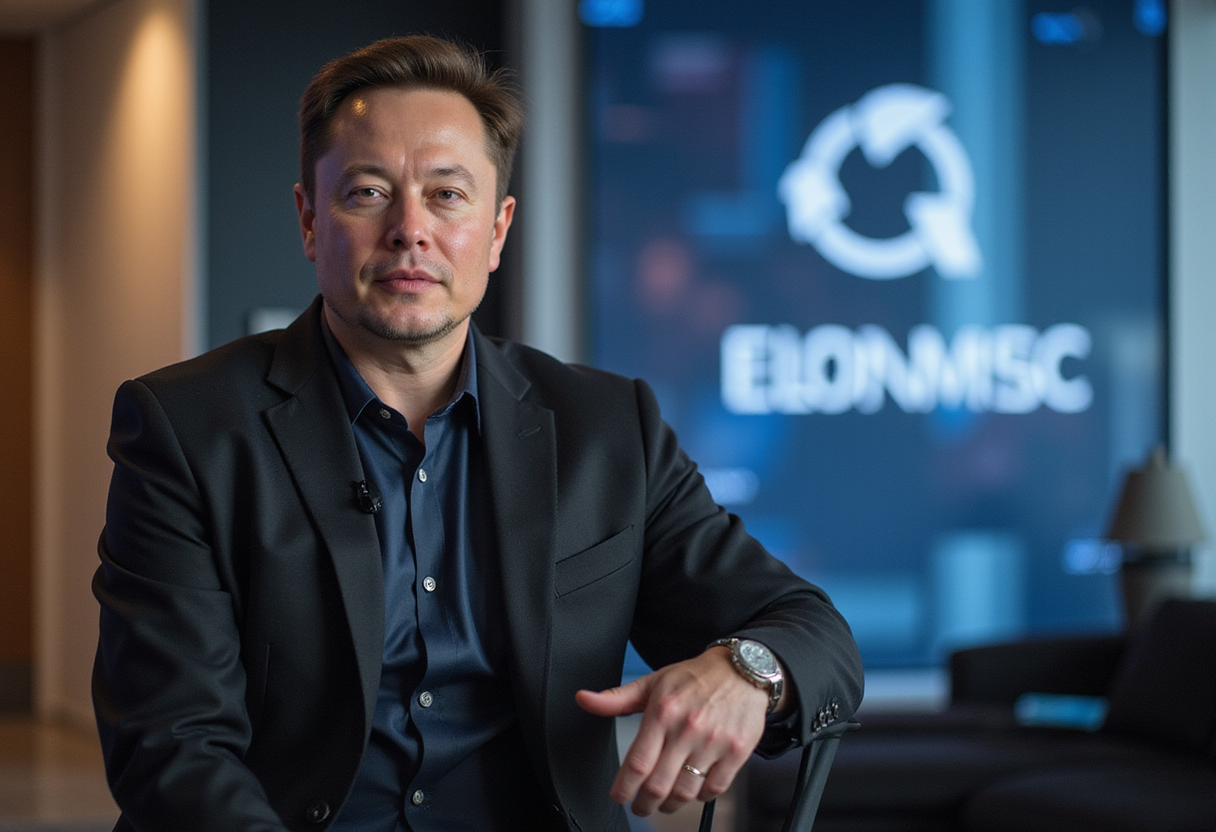
Elon Musk has confirmed that Terafab, the chipmaking venture backed by his SpaceX and Tesla, is in discussions with TSMC. The confirmation, reported by DIGITIMES on October 3, 2026, followed an earlier report that the Taiwanese foundry is evaluating the operation of new chip factories in Texas.
The statement is the strongest signal yet that Musk's manufacturing ambitions now extend into leading-edge silicon production on US soil. Until now, Terafab had existed largely as a named venture without public confirmation of a foundry partner. TSMC's reported interest in running new fabs in Texas, paired with Musk's public acknowledgment of the talks, moves the project from speculation into the early stages of corporate negotiation.
What is confirmed, and what remains open
Two facts are on the record. First, Musk himself has confirmed that discussions between Terafab and TSMC are underway. Second, a prior report indicated TSMC is looking at operating new chip factories in Texas — the state where Tesla already runs Gigafactory Texas in Austin and where SpaceX operates its Starbase facility.
Everything else remains unconfirmed. Neither company has disclosed the scope of the discussions, a potential investment figure, a process node, a wafer size, a capacity target, or a construction timeline. No deal has been announced, and talks of this kind do not guarantee an agreement on fab ownership, operation, or offtake terms.
Why the structure matters
The phrase "looking at running new chip factories" carries weight in foundry circles. It suggests a model in which TSMC operates facilities rather than simply licensing process technology — an approach the company has used for its own US expansion in Arizona. For Terafab, an operating partner would address the single hardest problem in building a new chipmaker: process know-how and yield management at advanced nodes take decades to accumulate, and no amount of capital alone can compress that timeline.
For TSMC, the reported Texas discussions would extend a US manufacturing footprint that already includes its Arizona fab complex. A Musk-linked customer of Terafab's scale — drawing on Tesla's automotive and AI compute demand and SpaceX's satellite and constellation requirements — would represent a demand pool with unusually deep, vertically integrated absorption.
The demand backdrop
The talks arrive amid sustained tightness in advanced logic capacity. TSMC has reportedly locked in wafer price hikes of 3–6% for 2027, and its leading-edge capacity has stayed tight as major customers shift allocations. In that environment, a well-funded new entrant seeking dedicated US capacity is a meaningful negotiating counterparty rather than a marginal one.
Tesla's own silicon roadmap underscores why secure chip supply has become strategic for Musk's companies. The company has been working through its AI5 and AI6 processor generations, and recent reporting indicated Tesla cut memory specifications on those chips to protect production of its Optimus humanoid robot — evidence that component supply, not just design, is now a binding constraint on its product plans. Custom silicon at scale requires either long-term foundry commitments or, more ambitiously, capacity the customer helps build and controls.
Geopolitical context
Texas, as the reported location, aligns with the broader push to expand advanced semiconductor manufacturing inside the United States. Any Terafab-TSMC arrangement would fit that pattern: US-based capital and customers paired with Taiwanese process expertise, replicating in Texas the partnership structure that has defined TSMC's Arizona expansion.
The road ahead
Both companies face decisions that will define whether these talks mature into a concrete project. TSMC must weigh engineering resources and customer commitments against an already full global expansion slate. Musk must decide whether Terafab proceeds as a jointly operated venture or as a captive customer of TSMC's existing and planned US capacity. Watch for the next concrete disclosure — a site, an investment figure, or a signed agreement — as the signal that the Texas project has moved from negotiation to execution.
Original: dgt.ms
More from Tom Whitfield
Show full bio
Staff writer covering consumer brands and retail at Chip Dispatch.
180 articles
Related articles
musk-confirms-tsmc-talks-over-terafab-chip-supply-6c199c7d
Musk Confirms TSMC Talks Over Terafab Chip Supply
report-tsmc-weighs-major-manufacturing-expansion-in-texas-a1344fb9
Report: TSMC Weighs Major Manufacturing Expansion in Texas
tsmc-weighs-new-texas-investment-sources-tell-reuters-360f0cd1
TSMC Weighs New Texas Investment, Sources Tell Reuters
16-8-billion-chip-plant-confirmed-for-grimes-county-texas-1cdfde6f
$16.8 Billion Chip Plant Confirmed for Grimes County, Texas