Musk's $474 Million Texas Bet Meets a Blue Wave
SpaceX planned a 100-million-square-foot Terafab chip plant in Texas. Then voters flipped the state blue, and Musk's first reaction was a tweet about data centers in orbit.
- By
- Nathan Brooks
- Filed
- Channel
- Chips & Policy
- Read
- 5 min read
Elon Musk put an estimated $474 million behind Republican candidates in the 2026 midterms, and on Tuesday most of his Texas allies lost anyway. According to The New York Times, nearly half of that money went to candidates in Texas, a state that then delivered a historic blue wave. The consequences now reach the factory floor, the launch pad, and possibly the largest chip plant ever proposed.
What did Musk build in Texas?
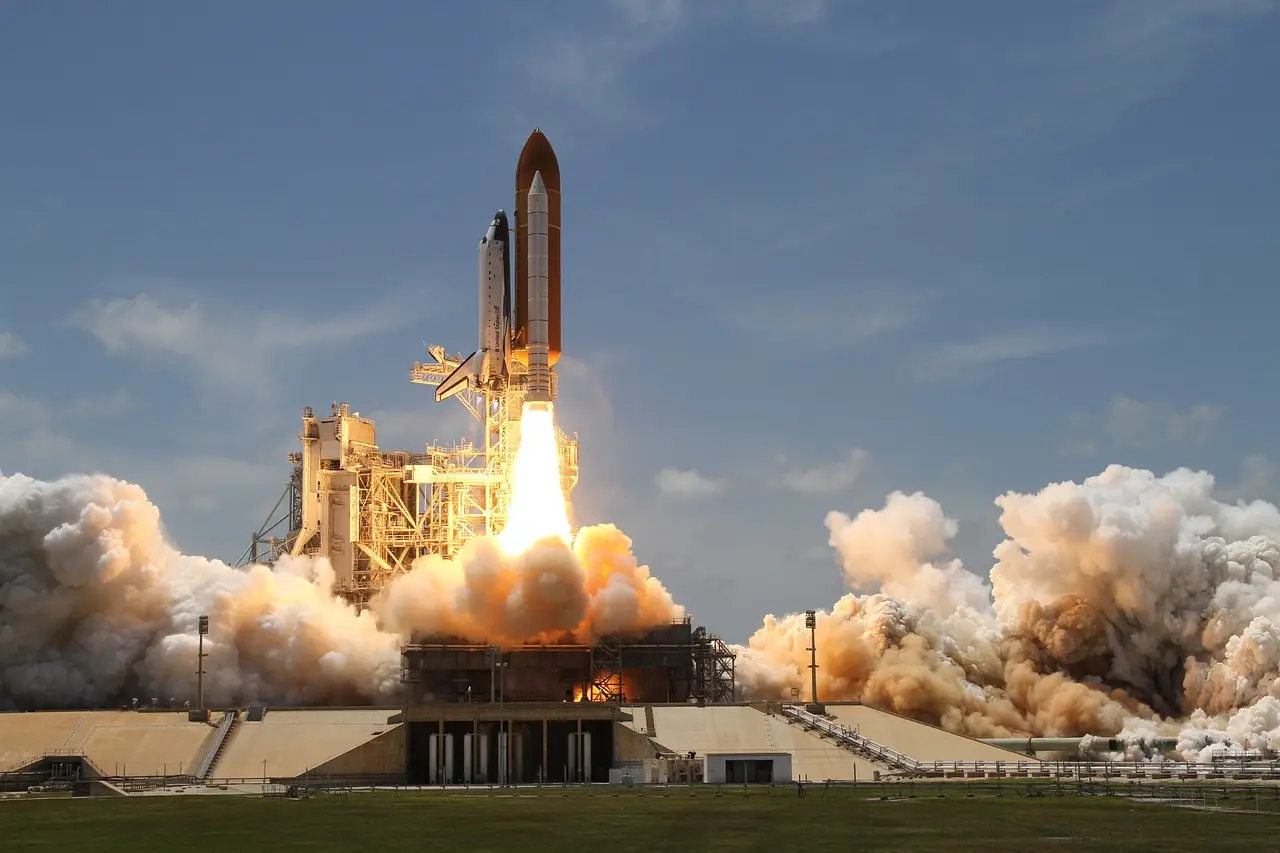
The answer is: nearly everything. Musk moved personally to the Austin area in 2020 after public disputes with California authorities during the COVID-19 pandemic. In 2021 he concentrated the Starship program in South Texas and began calling the facilities near the Rio Grande "Starbase." In 2023 he built a large factory east of Austin producing customer terminals and other electronics for Starlink.
This summer, SpaceX announced Terafab in Grimes County, Texas. The company called it "the most epic-chip building effort in the world" and said "a vertically integrated factory with more than 100 million square feet of manufacturing space is planned." That footprint equals roughly 1,700 American football fields, 15 Pentagons, or three Central Parks. In July 2024, Musk had already relocated SpaceX's corporate headquarters from Hawthorne, California, to Starbase, citing California's regulatory and political environment.
The warmth was mutual. In July, Texas Governor Greg Abbott praised Musk as "the leading visionary of our time. Thomas Edison. Just like that, maybe even bigger."
What changes after the midterms?
Most of Musk's political friends in Texas will soon be gone. Musk stayed uncharacteristically quiet through election night. His first comment arrived 12 minutes after midnight in Texas, after the key statewide races had been called. "Data centers in space looking pretty appealing right now," he wrote. He then returned to promoting SpaceX's Grok AI bot and the Starlink Internet service.
Two political paths now open to him. He can lean further into Republican politics, retain his allies, and aim to become a kingmaker in selecting the party's 2028 presidential nominee. Alternatively, he can moderate, as he partly did when he bundled for President Obama's campaigns and endorsed Hillary Clinton in 2016. Whether Democrats want de-escalation after such a decisive victory is another matter. Musk is doing, at enormous scale, things Democrats have long demanded: domestic manufacturing investment, chip fabs, and thousands of industrial jobs, many in the red and purple districts they just won. Whether they treat him as a target for investigation or a partner for bargaining may be the most important open question of the next two years.
Can Musk and Senator-elect Talarico coexist?
Musk spent heavily to defeat Texas Senator-elect James Talarico and demonized him before the election. Talarico did not name Musk directly in his victory speech, but the reference was plain. "In this race, we went up against our own Goliaths," he said. "The richest man in the world, the most powerful man in the world and the entire Washington, DC establishment." He added: "Tonight, we sent a crystal-clear message to the people at the top: We will not be conquered."
Talarico has also promised to serve all of Texas and to build bridges rather than tear them down. Musk remains the richest and most prominent Texan, and he could help ignite the state's economy for decades. The two men may yet discover the advantages of neighborliness.
Will SpaceX leave Texas?
Probably not soon. Nobody close to the company expects a headquarters move. SpaceX is too entrenched in Texas, and relocating would severely disrupt near-term plans for Starship, Starlink, and orbital data centers. Musk's orbit-oriented tweet reflects his expectation that Democrats, including Texas Governor-elect Gina Hinojosa, will follow through on campaign promises to slow terrestrial data center deployment. Some Republican lawmakers may draw the same lesson from the election. Public resistance to data centers in American neighborhoods is one reason orbital alternatives could become economically viable, so Musk will likely push harder on his vision of hundreds of thousands of computing satellites.
The likelier geographic shift is Louisiana, which remains reliably red. SpaceX plans a major expansion there starting as early as next year, and southern Louisiana was already positioned as the long-term site for launching hundreds or even thousands of Starships annually. A future Starbase Louisiana as headquarters is not impossible to imagine.
What about investigations and contracts?
SpaceX is now a public company, and Musk's political risk is priced into the stock. Shares traded down about 5 percent on Monday while broader markets rose. Democrats in Congress could investigate Musk's role in shutting off Starlink and Starshield services to Ukraine, hold hearings on a potential SpaceX-Tesla merger, or scrutinize Full Self-Driving and his dealings in China. Trump, however, retains the ability to shield Musk from some federal enforcement actions and to pardon federal offenses.
Congress controls the purse, but NASA and the Space Force need SpaceX more than SpaceX needs them. Cutting contracts would impair the International Space Station and Artemis programs just as China's competition intensifies. Democrats could instead fund SpaceX's launch and data-service competitors and push procurement reform. Punishing Musk personally through tax legislation on the ultra-wealthy would likely require a Democrat in the White House.
For now, Musk retains favorable regulators for launch and satellite businesses through the next two years. The question is whether the world's largest privately envisioned chip factory can still grow in a state that just changed color.
Source: Ars Technica
More from Nathan Brooks
Show full bio
Senior reporter covering people, launches and day-to-day practice in Semiconductors, chip manufacturing, hardware, AI compute at Chip Dispatch.
786 articles
Related articles
musk-confirms-terafab-is-in-talks-with-tsmc-over-texas-fab-project-27ee25d6
Musk Confirms Terafab Is in Talks With TSMC Over Texas Fab Project
musk-rules-out-tsmc-operating-terafab-zero-doubt-7b834c1a
Musk Rules Out TSMC Operating Terafab: "Zero Doubt"
musk-denies-report-of-tsmc-running-a-texas-terafab-4bb087a2
Musk Denies Report of TSMC Running a Texas 'Terafab'
after-arizona-tsmc-eyes-texas-with-musk-led-plant-75b246c6
After Arizona, TSMC Eyes Texas With Musk-Led Plant