Musk Sought to Buy Fabs From Intel, TSMC and Micron, Report Says
Intel, TSMC and Micron all rejected Elon Musk's offers to buy their chip plants, pushing him toward partnerships and his own Terafab plan, a report says.
- By
- Tom Whitfield
- Filed
- Channel
- Chips & Policy
- Read
- 2 min read
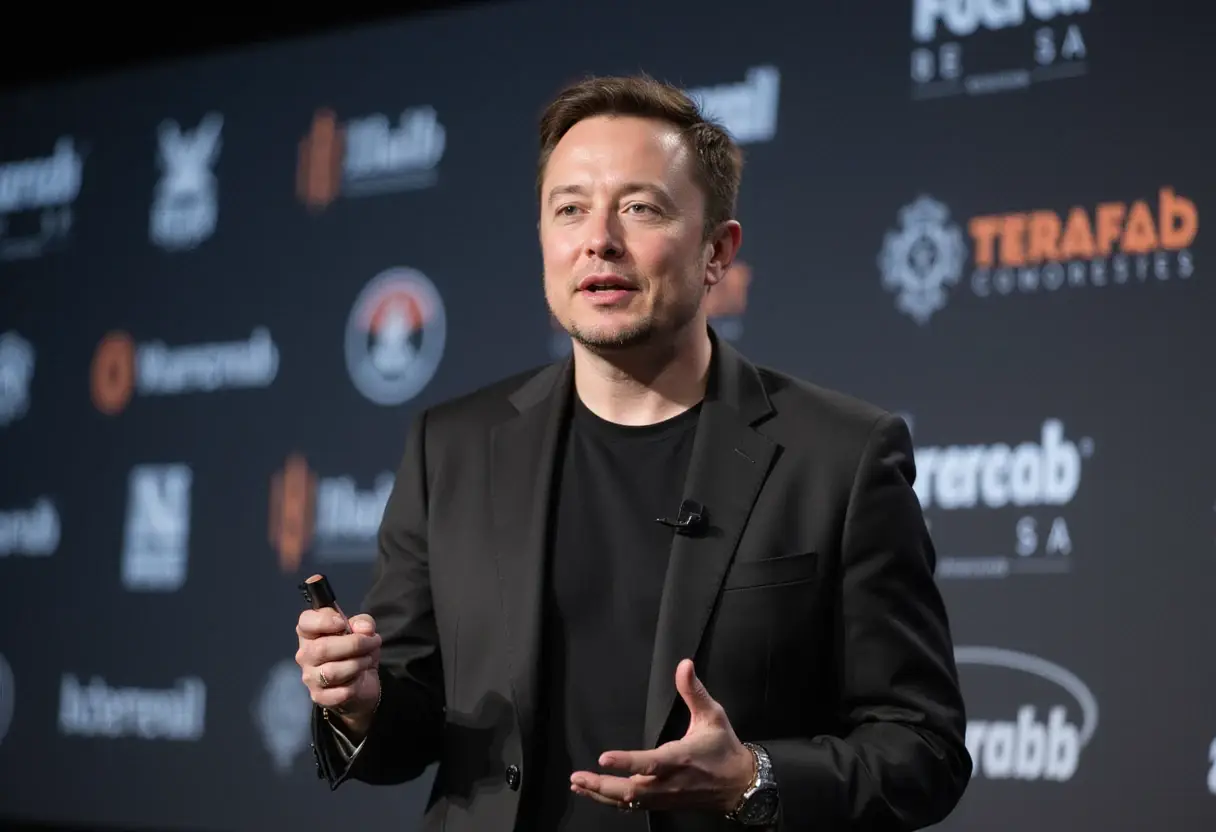
Elon Musk approached Intel, TSMC and Micron with offers to buy their chip plants outright before settling on his Terafab concept, and all three manufacturers declined, according to a Wccftech report. The rejections forced a strategic pivot: instead of owning mature capacity, Musk moved toward partnerships to supply the compute he says a "million times" Earth's current economy will demand.
The detail matters because it shows how a buyer with effectively unlimited capital still cannot simply purchase leading-edge semiconductor capacity. Foundries and memory makers treat their plants as strategic assets, and the refusal of three of the largest — Intel, TSMC and Micron — to sell tells us where the leverage sits in the chip supply chain.
What did Musk actually ask for?
According to the report, Musk wanted to acquire existing fabrication plants rather than wait years to build new ones. The approach covered three distinct categories of supplier:
- TSMC — the world's largest contract foundry and the leading producer of advanced AI accelerators
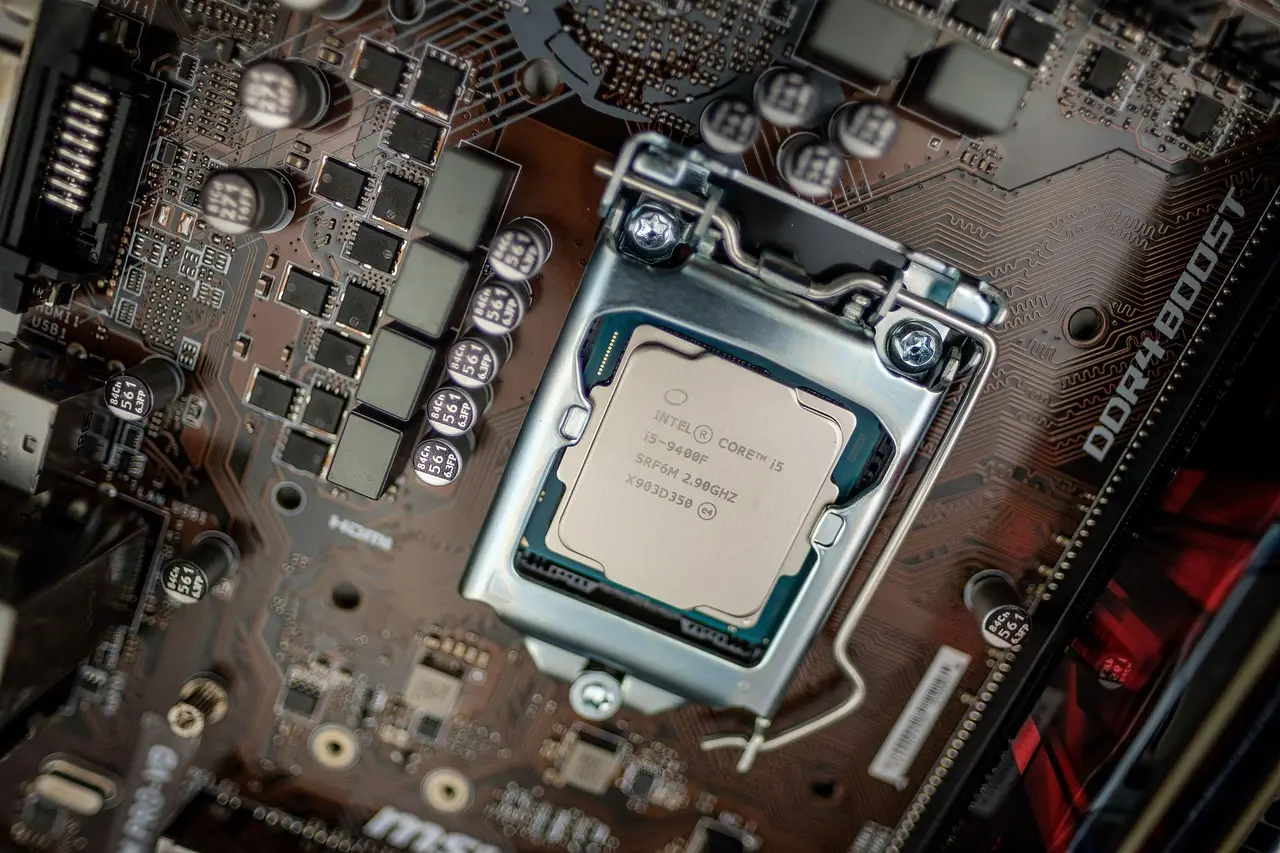
- Intel — the only American IDM still running leading-edge logic fabs at scale
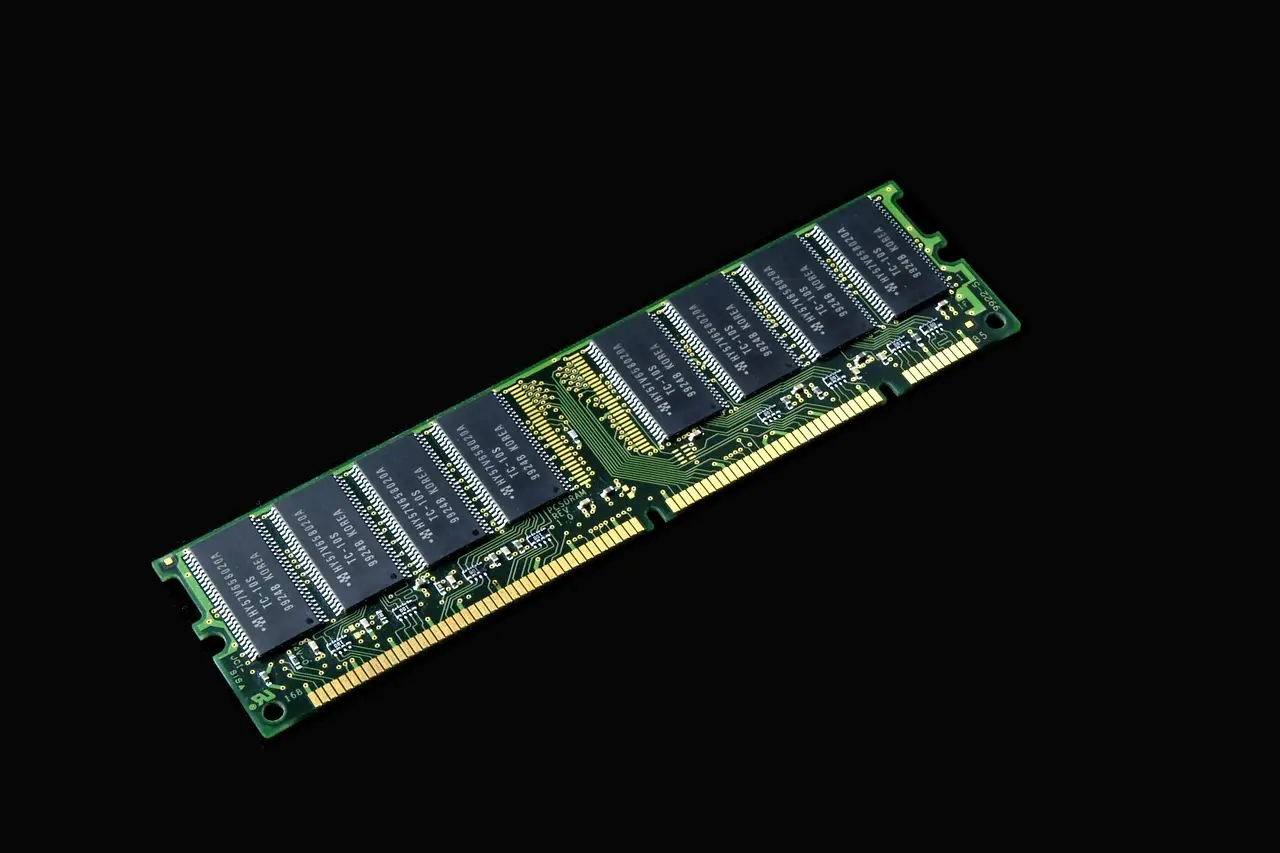
- Micron — one of three major DRAM and HBM memory makers
All three declined. In plain words: no amount of money on the table was enough to part with fab capacity that each company needs for its own roadmap.
Why would chipmakers refuse a sale?
The mechanism is straightforward. An advanced fab is not a factory a buyer can run as-is; it is embedded in a supply chain of process engineers, tool vendors, materials contracts and customer commitments. Selling a plant to an outside owner with no semiconductor operating history would risk both the asset's value and the seller's remaining network.
For TSMC, every wafer of capacity is already committed to customers including Apple and Nvidia, and its plants sit at the center of Taiwanese industrial strategy. For Intel, fabs are the core of its foundry turnaround. For Micron, HBM capacity is the scarcest and most profitable product in memory right now. None of the three has spare strategic room to sell the machinery of its own future.
What is the Terafab plan?
Musk's response to the rejections was to plan his own gigascale facility — the so-called Terafab — while lining up partnerships for the interim, the report says. The ambition ties to his stated goal of enabling an economy "a million times" the size of Earth's current one, a scaling argument that requires compute capacity far beyond what today's industry ships.
The partnership route is the pragmatic half of that plan. Building a leading-edge fab takes years and tens of billions of dollars, and even Musk cannot shortcut physics or permitting. Sourcing from established makers bridges the gap while any owned capacity comes online.
The commercial signal here is capacity discipline: the three companies that said no are protecting supply they could not replace, and Musk's pivot confirms that access to wafers, not design ambition, is the binding constraint on AI buildouts.
Source: Google News: TSMC
More from Tom Whitfield
Show full bio
Staff writer covering companies, deals and strategy in Semiconductors, chip manufacturing, hardware, AI compute at Chip Dispatch.
685 articles
Related articles
musk-clarifies-terafab-comments-stirring-intel-tsmc-and-spacex-talk-2718d7c8
Musk Clarifies Terafab Comments, Stirring Intel, TSMC and SpaceX Talk
musk-s-16-8-billion-chip-ambition-explained-2f409414
Musk's $16.8 Billion Chip Ambition, Explained
musk-reportedly-in-talks-with-tsmc-on-chip-supply-950a17d5
Musk Reportedly in Talks With TSMC on Chip Supply
elon-musk-brands-memory-chip-pricing-extortionate-praises-micron-ab332e8a
Elon Musk Brands Memory Chip Pricing 'Extortionate', Praises Micron