Consumer Tech · 2 min read
New York Bans Subscription Fees for Built-In Car Features
New York Governor Kathy Hochul signed a law banning subscription fees for built-in car features, effective February 27. The statute targets a recurring-revenue model favored by investors and pioneered by GM's OnStar.
Key takeaways
- New York law banning subscription fees for built-in car features takes effect February 27 next year
- Governor Kathy Hochul signed the bill yesterday and called the subscription model deceptive
- BMW charged for heated seats only in markets like South Korea and the UK, not North America
- BMW's board said in 2023 that subscriptions would cover only software-related features
- GM's OnStar introduced fee-based vehicle telematics as the model's template
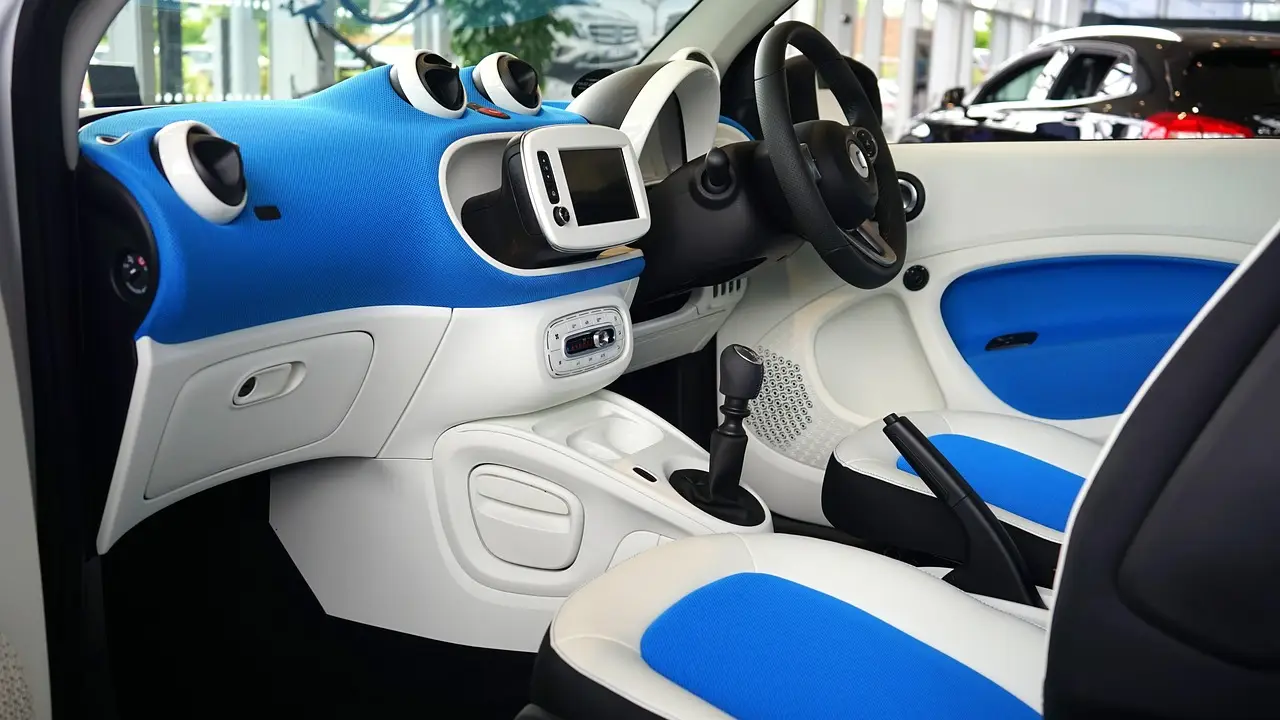
New York will ban automakers and dealerships from locking hardware features behind subscription paywalls on February 27 next year. Governor Kathy Hochul signed the bill into law yesterday. The statute targets charges for capabilities already installed on the vehicle.
"People spending their hard-earned money on a car shouldn't have to fork over even more money for features that should automatically come with the car," Hochul said. She addressed the industry directly. "My message to car companies is clear: this kind of deceptive business model isn't going to fly in New York State. Keep your hands out of New Yorkers' wallets."
What does the law change?
The new rule ends a pricing model that has spread across the connected-vehicle business. Buyers who purchase a car equipped with a feature cannot be charged a recurring fee to switch that feature on. New York becomes the first state to legislate the ban.
The practice has a short history. For decades, the only paid add-ons were modifications or upgrades installed after purchase. General Motors changed that equation with OnStar, which introduced telematics to the vehicle for a monthly fee. That service established the template: hardware ships from the factory, software gates access, and revenue flows monthly.
Why do automakers want recurring revenue?
The motivation is financial, not technical. Capital markets favor recurring revenue over one-time vehicle sales. Automakers pursue connected-vehicle programs to satisfy investors. Remote start and predictive maintenance alerts carry consumer value, but the commercial goal sits elsewhere: regular payments from the driver, plus whatever vehicle data the manufacturer can sell.
That incentive explains the spread of paywalled features across the industry. Some automakers have pushed the model far beyond telematics. The most cited case is BMW and its heated seats, a story widely remembered in the United States but often misstated. BMW North America never charged for heated seats. The subscription existed only in markets such as South Korea and the United Kingdom. In 2023, BMW's board said subscriptions would apply only to software-related features from then on.
How firm is the shift?
The New York law carves a clear line between hardware and software in vehicle pricing. Features physically present in the car must ship enabled at the point of sale under the February 27 deadline. Software-based services sit outside the ban's scope, which preserves the recurring-revenue channel OnStar pioneered and that BMW's 2023 policy now targets.
The practical effect for buyers may be modest. The governor's own framing leaves the cost question open. Whether ownership costs fall depends on how automakers reprice the features they can no longer rent out. Hardware costs do not disappear with the paywall; they can migrate into the vehicle's sticker price instead. Other states watching the New York experiment will shape whether the model retreats nationally or consolidates behind software-only subscriptions.
arstechnica.com (Source)
More from Grace Kim
Show full bio
Market editor covering people, launches and day-to-day practice in Semiconductors, chip manufacturing, hardware, AI compute at Chip Dispatch.
1,286 articles