Consumer Tech · 4 min read
New York bans subscription fees for pre-installed car features
Gov. Hochul signed a law on Nov. 23 banning subscription fees for pre-installed car features like heated seats. It takes effect Feb. 27, 2027, with $250 per-violation penalties.
Key takeaways
- Hochul signed S9348A/A10411A on Nov. 23; it is Chapter 414 of 2026 and takes effect Feb. 27, 2027.
- Violations carry civil penalties of up to $250 per point of sale.
- Driver-assistance and automation features are exempt, so Tesla can keep charging for Full Self-Driving.
- The Senate passed the bill 57-3 on June 4; it was delivered to the governor on Nov. 13.
- The law adds Section 198-d to New York's General Business Law.
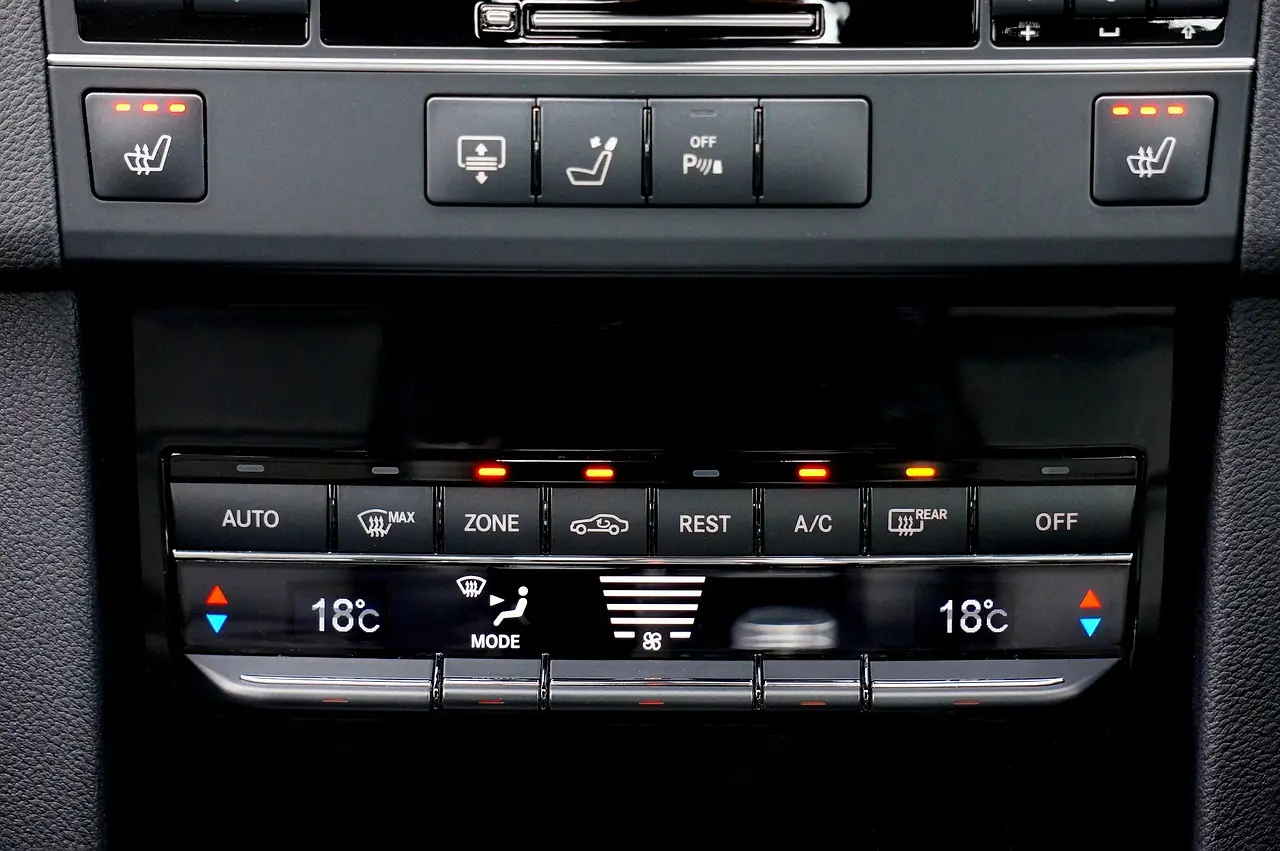
New York Gov. Kathy Hochul signed a law on Nov. 23 that bars automakers, dealers and third-party providers from charging subscription fees for car features that rely on hardware already installed in the vehicle. The law takes effect in 90 days, on Feb. 27, 2027. Violations carry a civil penalty of up to $250 per point of sale.
The bill, designated Chapter 414 of 2026, is S9348A in the Senate and A10411A in the Assembly. Sen. James Skoufis and Assemblymember William B. Magnarelli sponsored it. The Senate passed the measure 57-3 on June 4, and the legislature delivered it to the governor on Nov. 13. Hochul's office named heated seats among the features that can no longer sit behind a paywall.
"Keep your hands out of New Yorkers' wallets," Hochul said in the release. She added that "this kind of deceptive business model isn't going to fly in New York State."
What does the law actually ban?
The statute adds Section 198-d to New York's General Business Law. It defines a motor vehicle feature as "any convenience or safety function included on the motor vehicle." The ban applies when three conditions hold: the feature uses hardware installed at the time of purchase or lease, the feature would work after activation, and it requires no ongoing cost to or support from the dealer, the manufacturer or a third-party provider.
Recurring payments under a retail installment contract or lease agreement do not count as a subscription under the statute, so conventional auto financing remains untouched. The law targets the software-locked hardware model, where the component ships in the car but functions only after a monthly or annual fee activates it.
Carmakers can still ship software updates to vehicles sold in New York. The statute draws one bright line there: no charge for a safety-related update that federal law already requires to be free.
What stays outside the ban?
The exemptions are broad, and they cover most of the revenue currently tied to connected vehicles. The law does not reach:
- Navigation updates
- Infotainment
- Satellite radio
- In-vehicle Wi-Fi
- Telematics
- Roadside assistance
- Driver-assistance and automation features
- Connected services that depend on cellular or other data networks
The exemption structure leaves a narrow but commercially significant target: comfort and convenience hardware such as heated seats, where the marginal cost of activation is effectively zero and no ongoing service supports the feature.
The Department of State may issue rules to enforce the new section, which will determine how the statute applies in practice.
Who is affected, and what gaps remain?
Attorney General Letitia James backed the law. "No one should have to pay recurring fees just to use features in a car they already bought," she said in the release.
Because the law exempts driver-assistance and automation features, Tesla can keep charging for its Full Self-Driving package in New York, InsideEVs noted. The publication also raised an unresolved question: whether one-time software unlocks with no ongoing cost, such as Tesla's $2,000 Acceleration Boost, fall under the ban. The statute's language targets subscriptions, and its treatment of permanent one-time unlocks remains an open legal question for regulators to settle.
Why this matters for the industry
New York is now a test case for a business model that several automakers have built revenue plans around. The industry logic is straightforward: shipping hardware in every car and activating it by software lowers manufacturing complexity while creating recurring software revenue. New York's statute attacks that model at its most vulnerable point, the features with no ongoing service cost to justify a fee.
The carve-outs preserve the defensible portion of the model. Connected services, navigation and autonomy carry real infrastructure and development costs, and the law leaves them untouched. The features at risk are the pure margin plays, where the hardware is paid for at the point of sale and the subscription adds no ongoing value.
Other states watching New York's enforcement record will decide whether this becomes a national template or a local constraint. The Department of State's implementing rules, due as the Feb. 27, 2027 effective date approaches, will set the first measure of how far the ban reaches.
mlq.ai (Source)
More from Grace Kim
Show full bio
Market editor covering people, launches and day-to-day practice in Semiconductors, chip manufacturing, hardware, AI compute at Chip Dispatch.
1,286 articles