Startups & FundingLOT 261122 · 2 min read
Nomadic Raises $6 Million for Drones That Recharge on Power Lines
Nomadic raised $6M in seed funding for NOMAD quadcopters that recharge by perching on live high-voltage lines, with 20,000 test hours logged across Germany, Norway and the US.
Key takeaways
- Nomadic raised $6 million in seed funding for its NOMAD power-line drones.
- NOMAD drones have logged over 20,000 test hours on live lines in Germany, Norway and the US.
- One NOMAD drone covers roughly 25 km of line versus fixed sensors spaced 1-5 km apart.
- Units are qualified to minus 25°C, strong winds and lines up to 420 kV.
- The company is hiring engineers at its Munich base to expand the fleet.
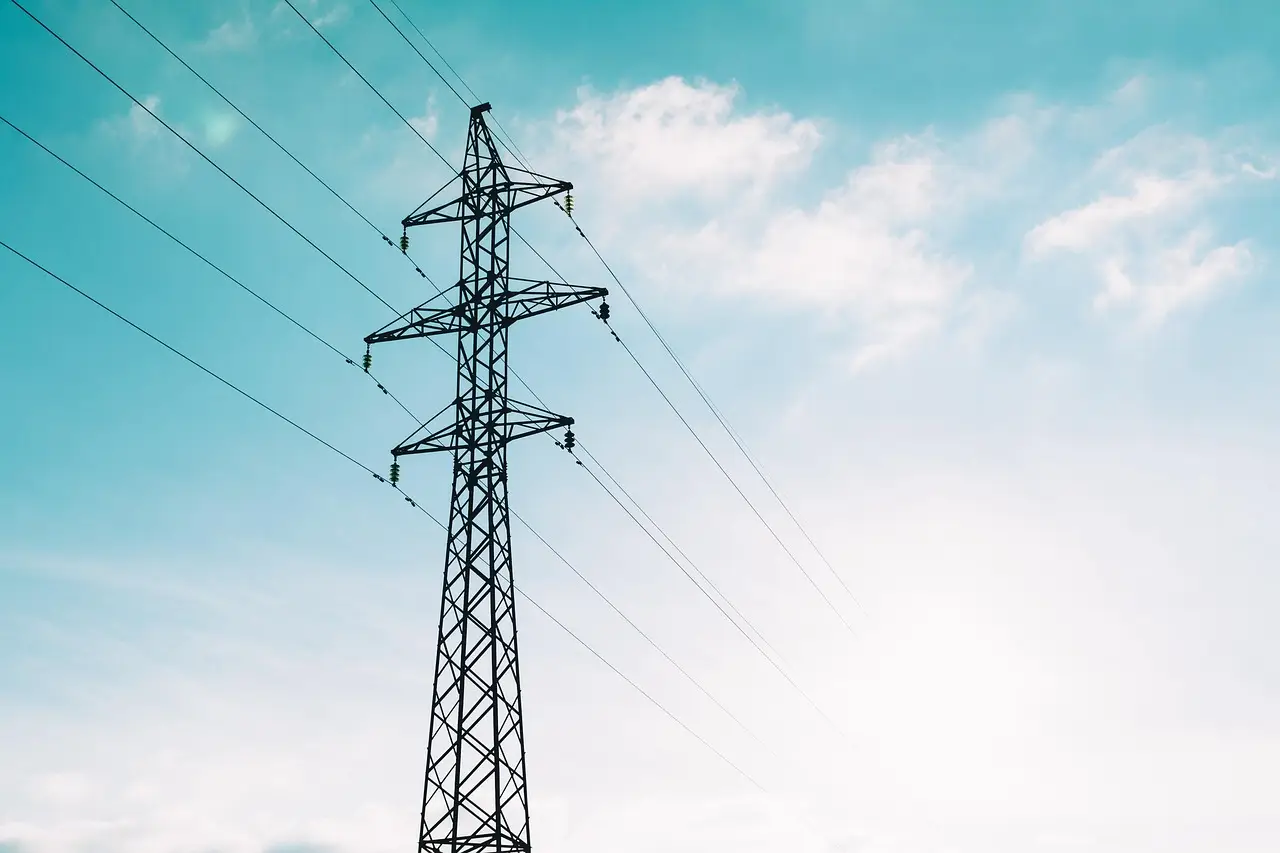
Startup Nomadic has raised $6 million in seed funding to scale a quadcopter that recharges by perching on live high-voltage power lines, eliminating the return-to-base requirement that limits conventional inspection drones. The company has already logged more than 20,000 test hours on live lines in Germany, Norway and the United States.
The NOMAD drones draw energy inductively from the lines they monitor. "NOMADs are drones that land on live high-voltage lines, charge from the line itself, and relocate across the grid to where measurements are needed," the startup said in its announcement. The result is a platform that can remain deployed on the grid indefinitely.
Why does line monitoring matter?
Grid operators currently rely on weather models to decide how much power each line can carry. But the physical condition of lines varies along their length. The weakest point in any line "sets the limit for the whole line," according to Nomadic. Operators that cannot see that weak point must run the entire line conservatively, which reduces effective transmission capacity.
Fixed sensors have emerged as the accepted partial answer. Nomadic claims one NOMAD drone can cover roughly 25 km of line, while fixed sensors are typically installed at 1 km to 5 km intervals. A mobile platform that recharges inductively from the line itself removes the battery-swap cycle that grounds conventional drones.
The alternative — a human inspection of a high-voltage line — demands extensive planning, heavy machinery and a service outage on the line. The NOMAD works on energized conductors without interrupting transmission.
How tough is the hardware?
Nomadic has qualified the drones across harsh operating conditions. Test units have flown in temperatures as low as minus 25 degrees Celsius and in strong winds. The perch-and-charge maneuver has been demonstrated on lines up to 420 kV, the typical maximum voltage of the European transmission grid.
The hardware ships with integrated software. Nomadic OS fuses drone-collected data with weather and grid models to give operators "a real-time picture of what is physically happening on their lines," the company said. The data pipeline is configurable across a deployed fleet.
What does the funding buy?
The $6 million seed round will fund fleet expansion and additional utility partnerships. Nomadic is also hiring, with open roles concentrated in engineering and all based at its Munich headquarters in Germany.
The company has not disclosed customer names, fleet size or pricing. The 20,000-hour figure covers testing on live lines across three countries rather than commercial deployment, and the 25 km coverage claim comes from the startup itself rather than independent verification.
What happens next?
If the perching platform proves durable at scale, Nomadic positions drone-based dynamic line rating against fixed-sensor vendors as the default grid monitoring method, with the funding round and Munich hiring push signaling a push from field trials into commercial fleet operations.
Tom's Hardware (Source)
More from Grace Kim
Show full bio
Market editor covering people, launches and day-to-day practice in Semiconductors, chip manufacturing, hardware, AI compute at Chip Dispatch.
1,213 articles