Tech BusinessLOT 261119 · 3 min read
NVIDIA Doubles Revenue to $115.8B in First Quarter After Huang Exit
NVIDIA revenue doubled to $115.84B in its first quarter after Jensen Huang's resignation, with Data Center at $107.6B and Q4 guided to $130B despite shares near a 52-week low.
Key takeaways
- Q3 FY2027 revenue of $115.84B, up 103.21% year over year, beating $108.73B consensus
- Vera Rubin generated nearly $20B in its first production quarter; Q4 guided to $130B
- Shares down 27.4% over the past month, trading near the 52-week low of $148.80
- 24/7 Wall St. price target $201.11 implies 29.36% upside, bull case $264.48, bear case $180.95
- $227.3B remains in buyback authorization through fiscal 2028
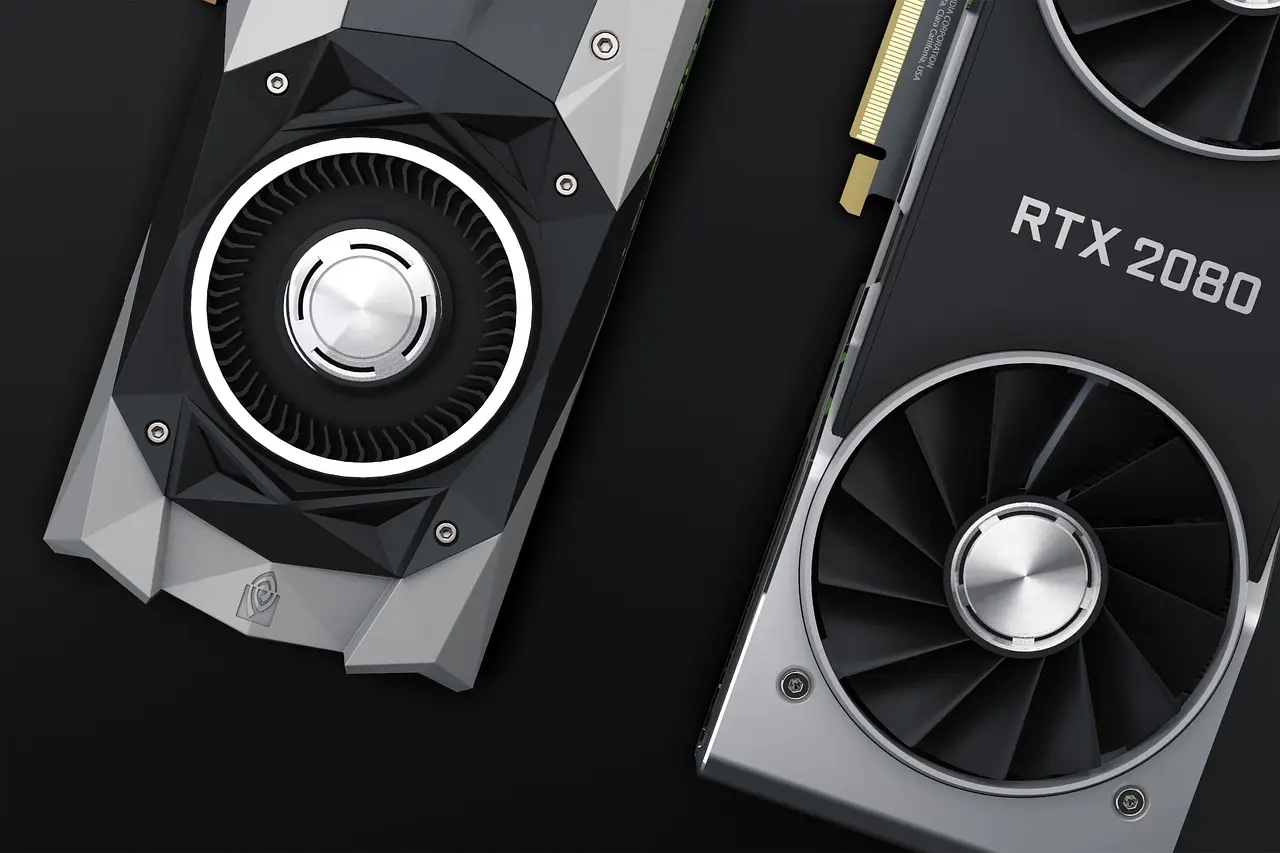
NVIDIA posted third-quarter fiscal 2027 revenue of $115.84 billion, up 103.21% year over year, in its first earnings report since Jensen Huang resigned. The number beat the $108.73 billion consensus. Non-GAAP EPS reached $2.68 against an expected $2.4712. Data Center revenue alone came in at $107.60 billion.
The 24/7 Wall St. price target for NVIDIA (NASDAQ:NVDA) stands at $201.11, implying 29.36% upside from the $155.46 close, with a buy rating and 90% confidence. The model is priced on earnings while the stock is priced for leadership risk. The upside sits in the gap between those two views.
What did the board say about Huang's exit?
Chairman Harvey Jones said on the call that Huang resigned after disclosure of "personal behavior inconsistent with the company's code of conduct, standards, and cultural norms."
Longtime CFO Colette Kress serves as interim CEO while the board searches for a permanent chief executive. Kress summed up the operating stance: "From a business perspective, it's business as usual."
The stock tells a harsher story. Shares fell 7.95% over the past week and 27.4% over the past month. They are down 16.45% year to date. The stock trades near its 52-week low of $148.80, far below the $243.37 high.
Operating results still beat expectations across the board. Vera Rubin, the next-generation platform, brought in nearly $20 billion in its first production quarter. Management guided fourth-quarter revenue to $130 billion, plus or minus 3%, and raised its fiscal 2028 growth outlook to approximately 75%.
Why do bulls see $264 or higher?
The bull case puts the stock at $264.48. Cloud industry backlog climbed to $2.5 trillion from $2 trillion three months earlier, and management says demand still exceeds supply. AI Clouds, Industrial and Enterprise revenue rose 195%.
The company holds $227.3 billion in remaining buyback authorization, which it plans to use through fiscal 2028. Wall Street remains supportive: 10 Strong Buy ratings, 49 Buy ratings, and a consensus target of $267.65.
What could cap the rebound?
The bear case lands at $180.95. Without a permanent CEO, and with the board investigation still open, headline risk remains. Guarantees amounted to $118 billion, and three customers accounted for 14%, 11%, and 11% of revenue.
Investor Steve Eisman warned that AI neocloud stocks face "big trouble" from the NVIDIA fallout. Fourth-quarter gross margin is guided down to 71% to 72%. Management calls that level the bottom and expects 72% to 73% in fiscal 2028 as the Rubin ramp matures.
How does NVIDIA compare with AMD and Broadcom?
AMD (NASDAQ:AMD) competes head-on in GPUs through its Instinct MI450 chips. At roughly 190x trailing earnings, AMD is more expensive than NVIDIA at about 31x, even though AMD's revenue grew more slowly. Broadcom (NASDAQ:AVGO) targets the same hyperscaler budgets with custom accelerators. Its AI semiconductor revenue jumped 221%, though from a much smaller base. Next to these peers, the $201.11 target looks conservative.
- NVIDIA: $115.84B quarterly revenue, up 103.21%, guiding $130.0B next quarter
- AMD: $13.377B, up 44.68%, guiding $17B
- Broadcom: $29.591B, up 85.5%, guiding $34.8B
What do longer-term projections show?
The 24/7 Wall St. model projects $201.11 in 2026, $208.33 in 2027, $246.55 in 2028, $279.87 in 2029, and $302.96 in 2030 if current trends hold. These projections assume NVIDIA keeps executing on its roadmap.
A business that more than doubled revenue during a leadership crisis drives the buy call. The bull thesis strengthens if the board names a credible permanent CEO and Rubin keeps ramping. It weakens if the investigation widens or customers lose access to financing. Major upside or downside could also come from who becomes CEO and from export-control policy.
247wallst.com (Source)
More from Grace Kim
Show full bio
Market editor covering people, launches and day-to-day practice in Semiconductors, chip manufacturing, hardware, AI compute at Chip Dispatch.
1,156 articles