Tech BusinessLOT 261119 · 4 min read
Oppenheimer's $30 Target Lifts Unusual Machines 7% as Red Cat Sinks
Oppenheimer launched coverage of Unusual Machines at $30, sending shares up 7% to $10.24, while Red Cat slid another 7% after withdrawing its 2026 revenue guidance on a $11.77 million quarter.
Key takeaways
- Oppenheimer initiated Unusual Machines at Outperform with a $30 target on November 19; UMAC rose 7% to $10.24
- Unusual Machines Q3 2026 revenue grew 551.3% year over year to $13.9 million
- Red Cat's Q3 revenue of $11.77 million missed $40.68 million consensus; the stock fell 35% post-report and the company withdrew 2026 guidance
- Red Cat gross profit was just $65,000 in the quarter
- Unusual Machines gross margin fell to 35.4% from 39.4%; management targets positive adjusted EBITDA in 2027
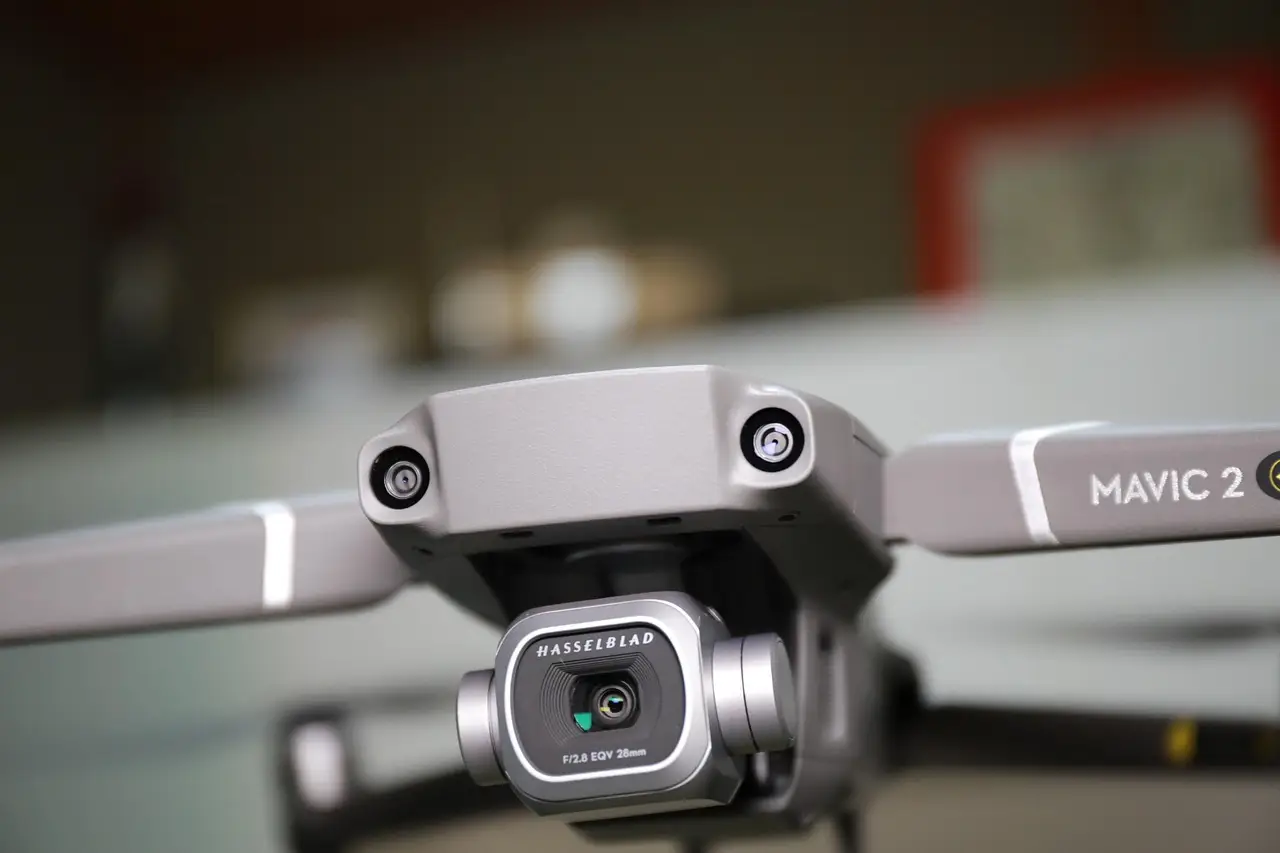
Oppenheimer set a $30 price target on Unusual Machines (NYSEAMERICAN: UMAC) on November 19, and the stock climbed 7% to $10.24. The rally came despite the drone component maker sitting 20% down year to date. The same morning, drone system builder Red Cat Holdings (NASDAQ: RCAT) fell another 7% to $2.09, extending a post-earnings rout.
The split says something about how Wall Street now prices this sector. Component suppliers and complete-system builders are being judged separately. The question is whether that separation holds.
What Did Oppenheimer Actually Say?
Oppenheimer initiated coverage with an Outperform rating and a $30 target. That target implies roughly a tripling from the $10.24 print. The firm also started coverage of other defense and space names the same morning, rounding out a sector-wide review.
The call has fundamental backing. Unusual Machines reported Q3 2026 results on November 5. Revenue rose 551.3% year over year to $13.9 million. Adjusted EBITDA showed a loss of only $0.7 million. The net loss of $0.50 per share missed estimates, but the company attributed that largely to an $18.4 million unrealized loss on short-term investments. A paper loss is not an operating loss. Still, the miss is a miss.
CEO Allan Evans was blunt about demand on the earnings call. He said: "The current U.S. marketplace continues to be supply constrained, and we see demand outstripping supply the rest of the year and all the way through 2027." Management targets positive adjusted EBITDA in 2027. That is a target, not a result.
Why Is Red Cat Falling?
Red Cat reported Q3 2026 results on November 16. Shares plunged 35% the following day, according to Barron's. The damage was specific.
Quarterly revenue came in at $11.77 million against a consensus estimate of $40.68 million. The company then withdrew its full-year 2026 revenue target in an SEC filing. CFO Christian Morrison said: "anticipated funding and contract awards have not materialized on the timelines we expected." Gross profit was just $65,000. Margins effectively vanished.
The pattern is familiar in defense small caps. Orders exist on paper, but funded revenue lags. Red Cat builds complete systems, from the Black Widow reconnaissance drone to Blue Ops uncrewed surface vessels. Its revenue depends on the timing of defense funding and contract awards. That dependency cuts hard in both directions. When Red Cat's FANG offering missed the finalist cut in the Drone Dominance 2 competition, the loss moved the entire outlook for the company.
Ondas Holdings (NASDAQ: ONDS) traded flat, up 0.2% at $4.43, still down 55% year to date. AeroVironment (NASDAQ: AVAV), the established large player in the group, slipped 0.76% to $100.34 and is down 59% year to date.
What Separates the Two Models?
Unusual Machines sells parts, not platforms. Its products are National Defense Authorization Act (NDAA)-compliant components: motors, flight controllers, video systems and batteries, under brands including Fat Shark, Rotor Riot and Upgrade Energy. One component line can sell into many builders' programs at once. That diversifies program risk in a way a single-platform system maker cannot match.
Ondas sits between the two. It runs a wider platform assembled largely through acquisitions, covering counter-drone systems, precision strike, long-endurance surveillance and ground robots. The breadth gives it several programs to lean on. It also brings integration work and its own execution risks.
Can the Suppliers Keep Pulling Away?
The bull case has two legs. Management says already-allocated Department of War funding supports growth through at least Q1 2027. Oppenheimer's fresh rating adds external validation.
The caveats deserve equal weight. Gross margin at Unusual Machines slid to 35.4% from 39.4% a year earlier. Management expects customer concentration to rise through 2027. More revenue from fewer customers is leverage, not strength. Red Cat carries its own path back, with a first B-26 purchase order from the U.S. government and a proposed Steyr Motors acquisition in progress, though a heavy inventory build must convert into funded orders fast enough to matter.
The next real test arrives when Drone Dominance Phase 3 orders begin flowing to customers in early 2027. Until then, the divergence between suppliers and system makers rests on one strong quarter and one analyst's price target.
247wallst.com (Source)
More from Sophie Lindqvist
Show full bio
News editor covering money, funding and market shifts around Semiconductors, chip manufacturing, hardware, AI compute at Chip Dispatch.
1,174 articles