Nvidia Falls 7.9% as Board Weighs Ousting Huang and OpenAI Maps Chip Exit
Nvidia fell 7.9% after-hours as its board weighed ousting Jensen Huang and Sam Altman detailed a plan to replace Nvidia's chips with vertically integrated infrastructure.
- By
- Grace Kim
- Filed
- Channel
- AI & Compute
- Read
- 4 min read
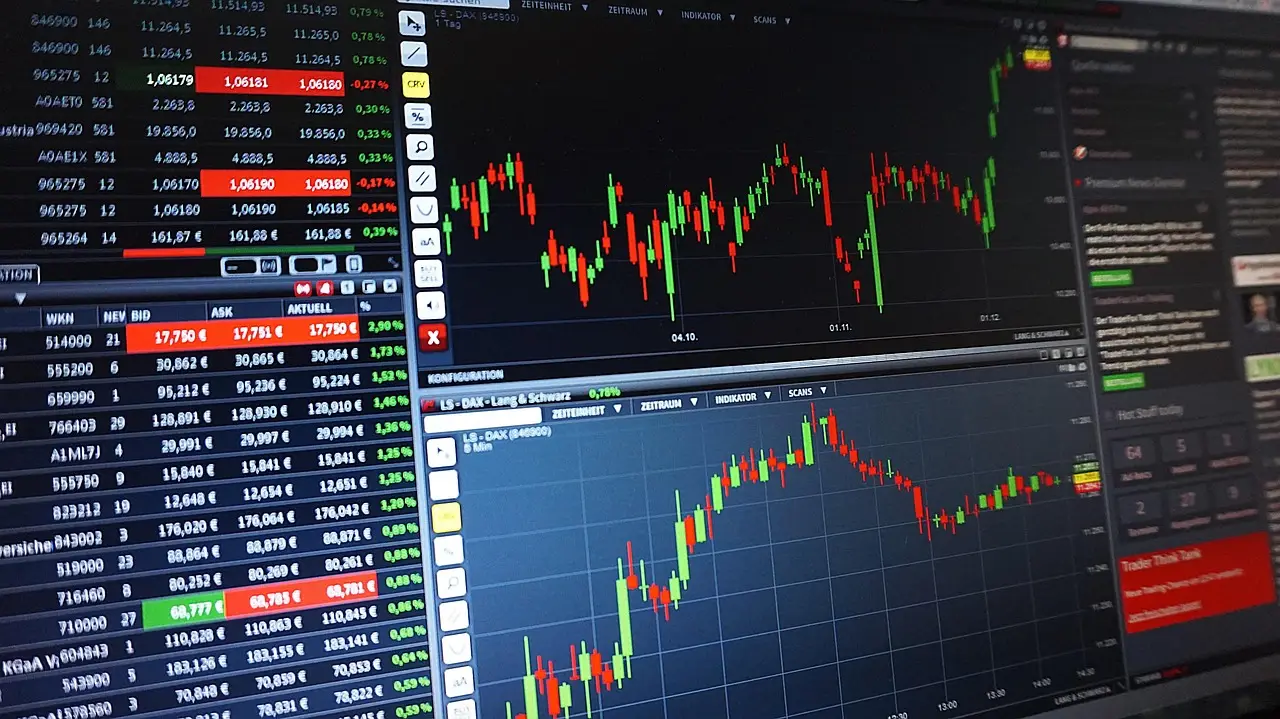
Nvidia stock traded at $160.03 in after-hours action at 7:15 PM ET on Wednesday, down 7.9% from the day's close and 33.1% below its October 6 record. The decline came on a night of compounding bad news. The Wall Street Journal reported at 5:27 PM ET that Nvidia's board is preparing to oust CEO Jensen Huang and could meet as soon as Wednesday. Nvidia has not commented. Hours earlier, the New York Times reported that Huang had a relationship with Nvidia executive Kimberly Powell.
The same day, Nvidia's biggest customer laid out a long-term plan that runs directly through the company's profit margin.
What did Sam Altman tell Samsung?
OpenAI CEO Sam Altman told roughly 50 presidents of Samsung companies that OpenAI's edge will come from owning the whole stack. The remarks come from an October 31 meeting; Korea's Financial News obtained the Q&A materials and published them Wednesday.
Asked whether heavy spending was squeezing returns, Altman said "that's the point." A company with "vertically integrated infrastructure that costs less than any other company's" can sell AI in huge volume at thin margins and pull ahead of competitors, according to the materials. The report says OpenAI's investments in efficiency, including chips it designs itself, are starting to pay off.
A translation of his comment circulating on X put it plainly: "If we can build vertically integrated infrastructure at a lower cost than anyone else, we can get ahead of the competition."
Read literally, that is a plan to stop paying Nvidia's prices. Nvidia sells the most expensive layer of AI infrastructure at some of the widest margins in the industry. A customer committed to running infrastructure cheaper than anyone else must replace that layer with its own over the medium to long term.
How is OpenAI building around Nvidia?
The company has been constructing this path for a year. The moves, in sequence:
- In 2025, OpenAI signed a letter of intent with Nvidia for 10 gigawatts of Nvidia systems, with Nvidia planning to invest up to $100 billion in OpenAI as systems deployed.
- Within weeks, OpenAI agreed to buy 6 gigawatts of AMD chips.
- It then announced a 10-gigawatt deal with Broadcom to build custom accelerators of OpenAI's own design, with deployment starting in the second half of 2026.
Each step moves more of OpenAI's computing away from a single supplier. The Broadcom deal moves it onto silicon OpenAI controls.
Altman's Samsung remarks explain the logic. Selling AI in high volume at thin margins only works if the cost of each unit of computing keeps falling. The fastest way to cut that cost is to stop paying a supplier's markup.
Why does demand concentration matter?
Altman made two other points that Nvidia holders will not like. He said "there has been double-counting of demand" for AI. He added that "only two companies, OpenAI and Anthropic, are actually driving major demand growth."
A boom resting on two buyers gives those buyers enormous bargaining power. One of them has now described a plan to need Nvidia less.
Altman also gave the bull case. "In the long term, AI demand will grow enormously," he said, and the biggest limit for the next few years is "the chip supply chain and data center infrastructure." The world is still short of chips, which keeps Nvidia's sales high for now.
What does it mean for Nvidia holders?
A holder with $100,000 in Nvidia at the November 6 close, about 536 shares, held about $85,743 at the after-hours price. That is a loss of about $14,257 in three trading sessions and an evening. Almost all of that came from the Huang scandal.
Altman's plan is a slower risk. It goes to Nvidia's gross margin, the number to watch in every quarterly report from here, and it matters more over five years than who serves as CEO next month.
The practical question before Thursday's open is concentration. If Nvidia exceeds roughly 10% of a retirement portfolio, both the board's decision and OpenAI's plan land on that single position. Trimming inside an IRA costs nothing in taxes. Trimming in a taxable account converts part of the gain into a tax bill.
The open question is what Nvidia can charge once its largest customers build their own silicon — and the Broadcom deployment schedule, starting in the second half of 2026, sets the clock.
Source: 247wallst.com
More from Grace Kim
Show full bio
Market editor covering people, launches and day-to-day practice in Semiconductors, chip manufacturing, hardware, AI compute at Chip Dispatch.
876 articles
Related articles
nvidia-board-investigates-jensen-huang-as-ai-stocks-shed-billions
Nvidia Board Investigates Jensen Huang as AI Stocks Shed Billions
nvidias-235-billion-buyback-authorization-faces-ceo-review
Nvidia’s $235 Billion Buyback Authorization Faces CEO Review
microsoft-reclaims-4-trillion-now-just-266-billion-behind-nvidia
Microsoft Reclaims $4 Trillion, Now Just $266 Billion Behind Nvidia
nvidia-supply-commitments-jump-to-279-billion-amid-governance-probe
Nvidia Supply Commitments Jump to $279 Billion Amid Governance Probe