Samsung, Xiaomi raise 48 handset prices in India by up to ₹4,000
Samsung and Xiaomi raised prices on 48 Indian smartphone variants by up to ₹4,000. Memory inflation coincides with weaker Diwali demand, tighter financing and retailer margin pressure.
- By
- Nathan Brooks
- Filed
- Channel
- Consumer Tech
- Read
- 3 min read
By Nathan Brooks
Samsung and Xiaomi raised prices on 48 Indian smartphone variants between November 15 and 16, with increases of ₹1,000 to ₹4,000. The changes covered about 30 Samsung phones and 19 Xiaomi phones. Memory costs rose as consumer demand softened.
What changed in Samsung’s lineup?
Samsung’s latest revision covered 14 variants across Galaxy A07 5G, A17 5G, A36, A37, A56, A57 and F17 5G. Most became ₹2,000 more expensive.
The Galaxy A57 recorded the steepest increase, rising ₹4,000. Its 8GB+256GB and 12GB+256GB configurations now cost ₹66,999 and ₹76,499, respectively. A November 15 revision also raised seven variants from Galaxy M17 5G, M17e and F70e 5G by ₹2,000 each.
What changed in Xiaomi’s lineup?
Xiaomi adjusted prices across 19 Redmi variants, with increases spanning ₹1,000 to ₹4,000. The Redmi Note 17 Pro 5G had the steepest Xiaomi increase, at ₹4,000. Its 8GB+128GB and 8GB+256GB versions now cost ₹40,999 and ₹43,999, respectively.
What does weak demand show?
Data from the All India Mobile Retailers Association (AIMRA) showed smartphone sales volumes fell by as much as 20% year on year during the four-day festive period from November 6 through 9. Overall sales value remained broadly in line with the previous year because average selling prices rose. The arithmetic concealed a weaker transaction count and squeezed retailer margins and store profitability.
In the seven days before Dhanteras on November 6, offline smartphone sales volumes fell nearly 40%, according to AIMRA. Consumers delayed purchases in anticipation of festive offers. Financing did not fully compensate: only 60% to 70% of logged loan applications received approval during the festive period.
The new handset prices may add to affordability concerns, particularly in India’s price-sensitive budget and mid-range segments. No manufacturer breakdown shows how much memory inflation was passed into each retail revision. The report does not quote either company explaining the increase.
Why are memory prices rising?
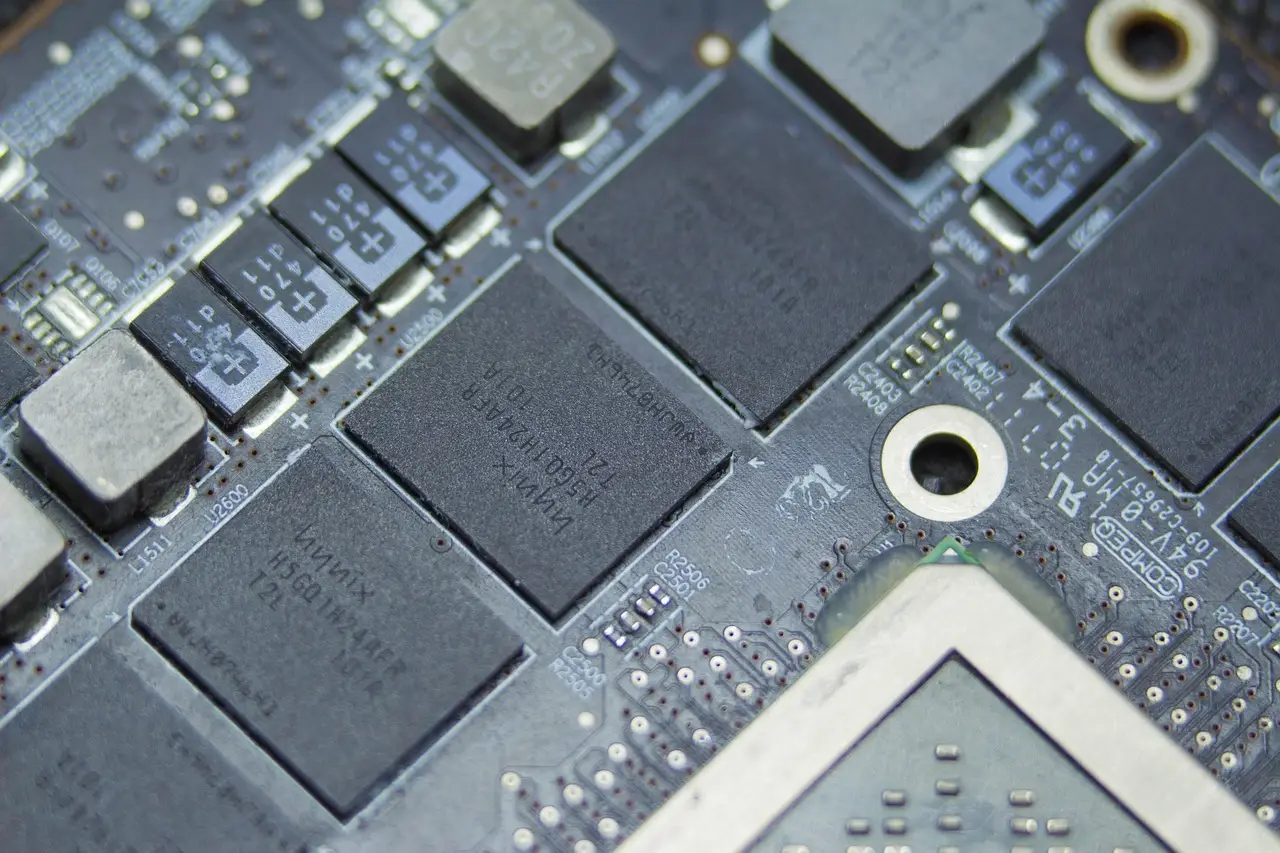
The revisions coincide with a broader surge in memory-chip prices driven by stronger AI infrastructure and data-center demand. DRAM provides high-speed memory for GPUs processing AI workloads. NAND flash provides cost-efficient storage for the large datasets used to train AI models.
Both DRAM and NAND are also used in smartphones, laptops, gaming consoles and other consumer electronics. AI expansion is tightening supply chains and pushing procurement costs higher across those categories. The effect has moved from component purchasing ledgers into retail price lists.
OpenAI CEO Sam Altman recently flagged growing competition for memory resources during a podcast. He also pointed to memory-market constraints and said the “usual price correction mechanism” was not working effectively. He argued that DRAM in personal computers often remains underused and could be put to better use in cloud infrastructure.
Altman’s diagnosis captures the awkward supply picture: underused PC memory sits beside cloud infrastructure competing for available supply. The report does not define that mechanism or attach a capacity number to it.
Can new capacity arrive quickly?
Expanding semiconductor manufacturing capacity remains difficult because new facilities require significant investment and time. The report identifies no specific DRAM or NAND fab, wafer capacity, process node, investment amount or commissioning schedule.
Supply expansion is therefore a stated constraint rather than a dated roadmap. Price outlooks built on unannounced capacity would be guesswork.
If AI infrastructure demand continues to outpace new memory capacity, handset makers will have limited room to avoid thinner margins or further retail price increases. The near-term commercial baseline is therefore higher prices, not cheaper devices.
Source: inc42.com
More from Nathan Brooks
Show full bio
Senior reporter covering people, launches and day-to-day practice in Semiconductors, chip manufacturing, hardware, AI compute at Chip Dispatch.
1,010 articles
Related articles
samsung-adds-another-100-to-galaxy-s26-prices-pushing-base-model-near-1-000-a33511b5
Samsung Adds Another $100 to Galaxy S26 Prices, Pushing Base Model Near $1,000
memory-takes-54-of-budget-phone-bill-of-materials
Memory Takes 54% of Budget Phone Bill of Materials
raspberry-pi-5-16gb-hits-385-after-second-80-ram-driven-price-hike
Raspberry Pi 5 16GB Hits $385 After Second $80 RAM-Driven Price Hike
enough-phone-bets-399-that-buyers-still-want-a-5-3-inch-screen
Enough Phone Bets $399 That Buyers Still Want a 5.3-Inch Screen