Recycled DRAM May Reach 9% of Smartphones by 2027, TrendForce Says
TrendForce sees reballed DRAM in 3-4% of 2026 smartphones, rising to 7-9% in 2027, as LPDDR4X from old devices lands in sub-CNY 1,299 4G phones while DRAM prices climb.
- By
- Sophie Lindqvist
- Filed
- Channel
- Memory & Storage
- Read
- 3 min read
Reballed DRAM will sit in roughly 3-4% of smartphones shipped in 2026, and TrendForce puts the 2027 figure at 7-9% as contract prices climb. The market researcher expects the practice to roughly double next year. That is the strongest number in a story built almost entirely on estimates, and both research firms behind it concede the numbers could move.
What is reballed memory?
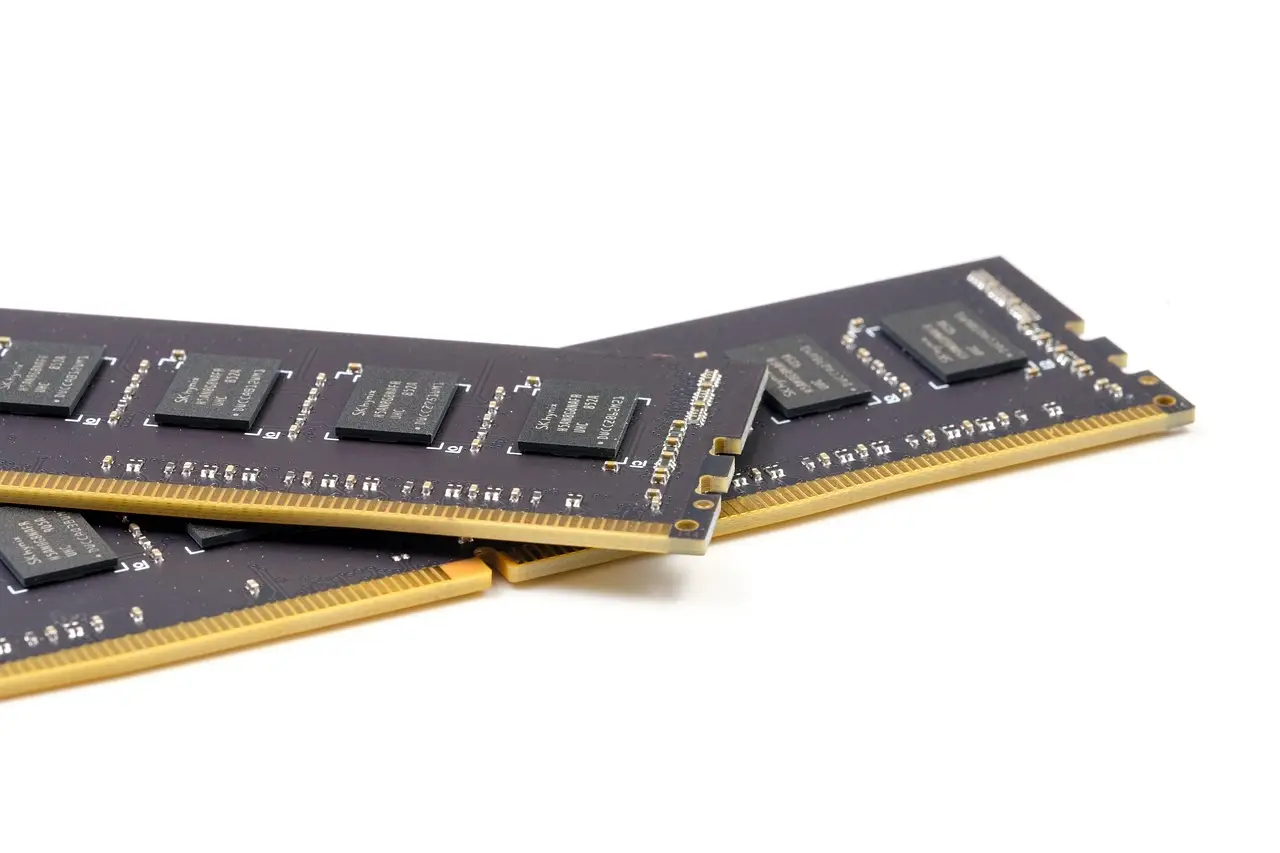
Reballed memory is DRAM desoldered from old smartphones, PCs and servers, given basic testing, then re-soldered into new products. That definition comes from Counterpoint Research, which also notes some of these chips have already served five to six years in service and are now being reused for another five to six. TrendForce says 4GB LPDDR4X parts make up the bulk of the supply. They land mainly in 4G phones priced below CNY 1,299, roughly $180. Adoption could spread to higher price tiers as cost pressure grows, TrendForce adds, though it offers no timeline for that spread.
Why are phone makers doing it?
Mobile DRAM contract prices have risen steadily, and TrendForce expects the increases to gain momentum in the first quarter of 2027. Counterpoint ties the squeeze to capacity allocation. Samsung Electronics, SK hynix and other suppliers are prioritizing AI-server HBM and server DRAM over mobile parts, and Counterpoint expects the LPDDR shortage for phone makers to last into next year.
The behavior of Chinese manufacturers shows the strain. Counterpoint found they cut production targets sharply after the second quarter, then raised them again near the end of the third. The reason was not improved supply. Budget models had switched to recycled DRAM, Counterpoint says.
One further supply stream may open. Counterpoint expects DDR4 discarded by U.S. hyperscale data center operators could eventually feed the same recycled supply chain. No volumes were given.
What about the grey market reports?
Earlier reports from China, compiled by TrendForce from TechNews and Caijing, described traders in Shenzhen's Huaqiangbei electronics market selling chips recovered from discarded phones. Some memory reportedly cost up to RMB 500 more per unit. TrendForce explicitly noted those claims had not been confirmed by authorities or the companies involved. No brand has been confirmed as a buyer. That gap matters. The resale premium figure and the market color remain unverified, and the researchers did not name a single phone maker using recycled DRAM.
What is the reliability cost?
Both firms flag quality. TrendForce says sourcing is complex and quality consistency is uncertain, which could shorten device lifespans, raise warranty and repair costs, and hurt brand reputations. Counterpoint is blunter. Aging memory has weaker data retention and a higher error risk, and the firm calls the practice a short-term fix that is not sustainable for anyone. Neither firm quantified failure rates, warranty claims or return volumes. Buyers of sub-CNY 1,299 phones will bear the risk either way.
Will recycled chips ease prices?
TrendForce does not think so. Reballed memory will stay a modest share of smartphone LPDRAM bit consumption and is "unlikely to significantly disrupt the prevailing upward trend in DRAM contract prices," the firm said. MLQ reported last week that memory makers are earning 80% margins as the crunch spreads to Apple and PCs. That margin figure, if accurate, explains why suppliers have little incentive to redirect HBM capacity toward budget phones.
The pattern points one direction. Recycled DRAM volumes double, contract prices keep rising into 2027, and the buyers least able to detect degraded memory absorb the reliability risk.
Source: mlq.ai
More from Sophie Lindqvist
Show full bio
News editor covering money, funding and market shifts around Semiconductors, chip manufacturing, hardware, AI compute at Chip Dispatch.
831 articles
Related articles
reballed-memory-set-to-double-in-smartphones-trendforce-says
Reballed memory set to double in smartphones by 2027, TrendForce says
dram-prices-climb-for-18th-straight-month-hit-26-f3715ab1
DRAM Prices Climb for 18th Straight Month, Hit $26 in September
samsung-profit-up-almost-ninefold-on-memory-chip-windfall-904f10de
Samsung Profit Up Almost Ninefold on Memory Chip Windfall
apple-s-memory-bill-climbs-33-billion-as-ram-prices-surge-into
Apple's Memory Bill Climbs $33 Billion as RAM Prices Surge Into 2027