Chips & PolicyLOT 261122 · 3 min read
SEC Accounting Probe Meets Nvidia's Worst Weekly Run Since 2008
Nvidia fell 12% to $126.80 after Reuters reported an SEC accounting review, extending its worst weekly losing streak since 2008 as a California subpoena added a second front.
Key takeaways
- Nvidia shares fell 12% to $126.80 on November 20 after Reuters reported an SEC review of its accounting.
- The stock is down 23.7% in one week and 41.42% in one month — its longest weekly losing streak since 2008.
- Q3 FY2027 revenue hit $115.844 billion, up 103.21% year over year; Q4 guidance is $130.0 billion ±3%.
- Jensen Huang resigned as president, CEO and board member; CFO Colette Kress is interim CEO.
- Nvidia received a California subpoena tied to $2.4 billion in Hopper chip sales to China, since halted.
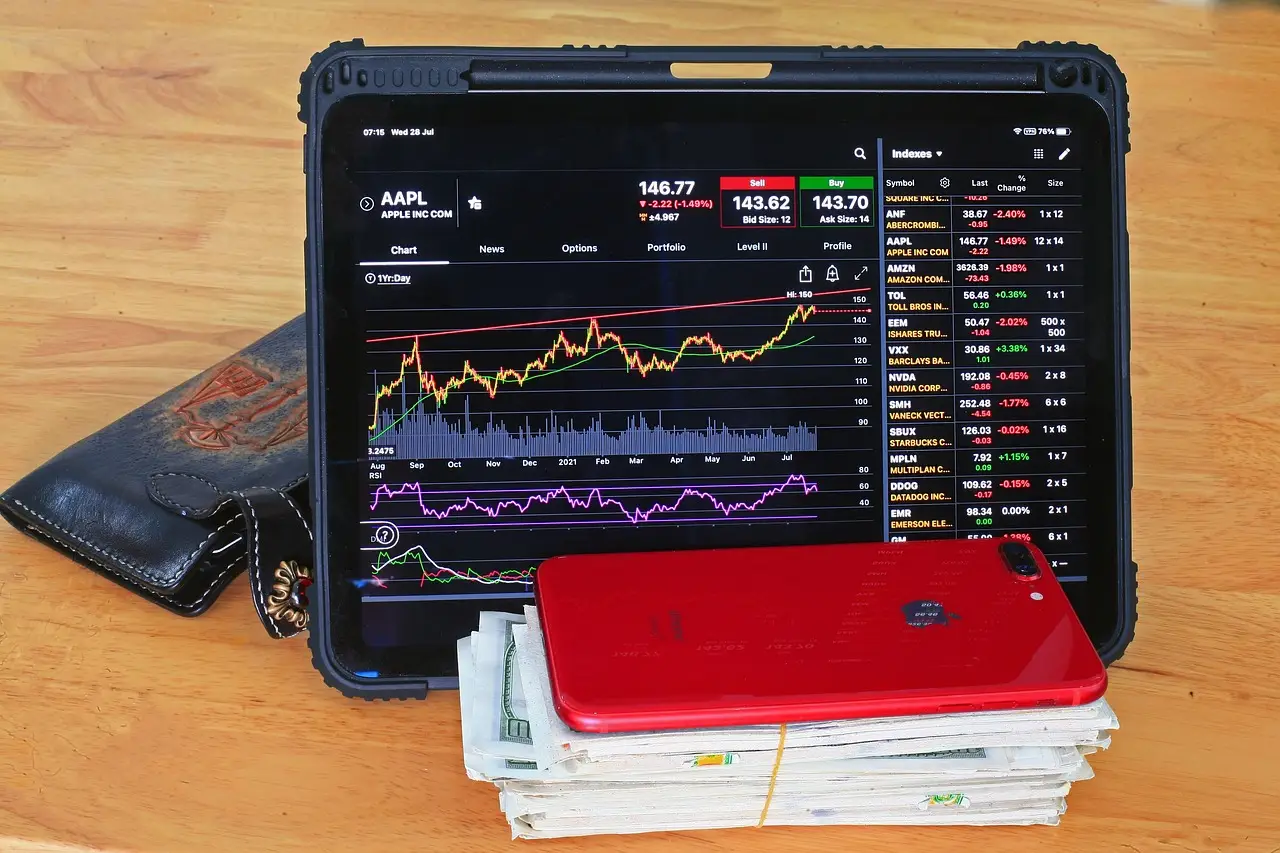
Nvidia shares fell 12% to $126.80 on November 20 after Reuters reported that the U.S. Securities and Exchange Commission is examining the chipmaker's accounting practices. Yahoo Finance framed the probe as an accelerant added to what it called a $2.5 trillion rout already under way across the AI trade. The stock is now down 23.7% over one week, 41.42% over one month, and 31.85% since January 1.
The selling streak has reached a scale not seen since the financial crisis. Al Root of Barron's reported the stock was on pace for a seventh consecutive weekly loss, with no weekly gain since early October. MarketWatch noted this is the longest run of weekly losses since 2008. The damage spread across the sector: Broadcom and AMD extended declines, and CNBC reported the Nasdaq erased its 2026 gain as Anthropic led a broad AI sell-off.
What does the SEC inquiry actually cover?
Almost nothing is confirmed. Reuters based its story on two people briefed on the matter. The SEC has announced no enforcement action, and nobody has said publicly what the accounting questions concern. Nvidia's response was not available at the time of reporting.
The company's own filings, however, show the ground is not entirely calm. Nvidia's third-quarter fiscal 2027 release listed two risk items: an "ongoing independent board committee investigation" and a "leadership transition and search for a new CEO." The board review predates the reported SEC interest, which suggests the company saw the problem first.
A second front opened the same day. Fox Business reported on November 20 that Nvidia has received a California subpoena linked to an investigation of chip sales to China. Nvidia sold $2.4 billion of licensed Hopper data center products to China in the third quarter and has since stopped those shipments. The board has also created a national security and export control oversight committee.
Who is running the company through this?
Not Jensen Huang. A Wall Street Journal report on November 12, cited by 24/7 Wall St., said Nvidia was preparing to remove him. On the November 17 earnings call, Chairman Harvey Jones said Huang "voluntarily resigned his positions as president, CEO, and board member." CFO Colette Kress is now interim CEO.
Jones described the environment the successor will inherit: "Our new CEO will have to navigate those waters very carefully." Kress offered a shorter verdict on operations: "From a business perspective, it's business as usual."
The latest quarter backs her. Revenue reached $115.844 billion, up 103.21% year over year. Earnings per share came in at $2.68 against the $2.4712 analysts expected. Guidance calls for fourth-quarter revenue of $130.0 billion, plus or minus 3%.
What holds up, and what does not?
The balance sheet remains formidable. Nvidia trades at roughly 29 times earnings with an operating margin near 60.4%, and it has $227.3 billion remaining in its buyback authorization, which it plans to use through fiscal 2028. Few companies of any size convert revenue to cash at that rate.
The headline risk is the open variable. Nobody knows how the probe will end, and unresolved investigations can weigh on a stock for years. Because Nvidia is one of the largest companies in the market, index funds hold it in bulk; a long cloud over one ticker reaches a great many retirement portfolios.
The next disclosure is the one to watch. Any company statement or SEC filing on the inquiry's scope, beginning with Nvidia's next quarterly report, will do more to set the price than another quarter of record revenue. If the issue proves narrow, 29 times earnings looks modest for a company that more than doubled its revenue. If it widens, the pressure has room to run.
247wallst.com (Source)
More from Nathan Brooks
Show full bio
Senior reporter covering people, launches and day-to-day practice in Semiconductors, chip manufacturing, hardware, AI compute at Chip Dispatch.
1,201 articles