Senate Democrats Join Inquiry Into Nvidia CEO Over Alleged China Spy Ties
Senator Chris Coons, incoming Senate Foreign Relations chair, says Congress will investigate Nvidia CEO Jensen Huang over alleged ties to a recruited Chinese intelligence asset, as House chairmen press for a Nov. 11 briefing.
- By
- Tom Whitfield
- Filed
- Channel
- Chips & Policy
- Read
- 3 min read
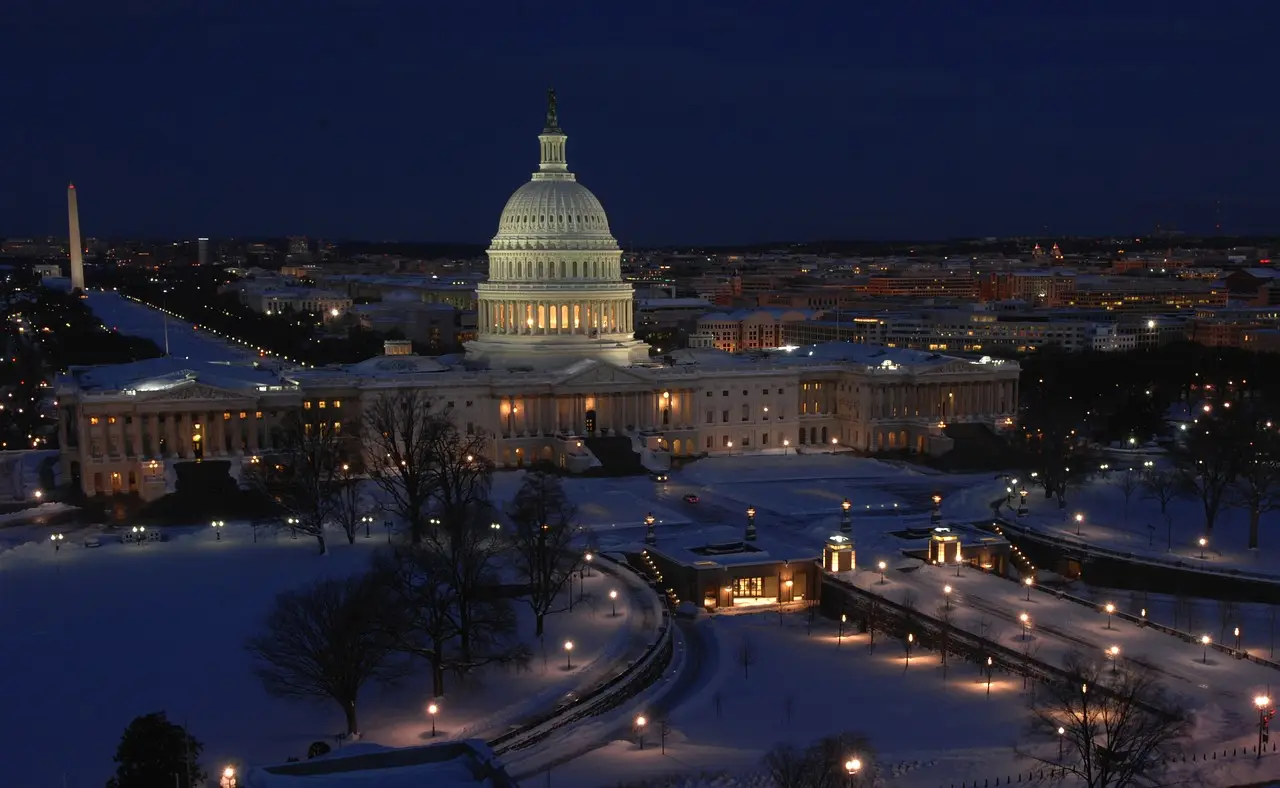
Senator Chris Coons, the Delaware Democrat set to chair the Senate Foreign Relations Committee in January, has pledged that Congress will investigate Nvidia CEO Jensen Huang over his ties to an alleged Chinese intelligence asset. His statement on Nov. 7 gives the inquiry both a Senate and a Democratic dimension, adding to pressure from three Republican House chairmen who demanded a briefing from Huang two days earlier.
Coons made the pledge in a post on X on Saturday, Nov. 7. He wrote: "The more I learn about the insane relationship between the Trump Administration, Chinese spies, and AI billionaires, the more I'm convinced there is nothing this administration does that isn't corrupt. Congress will investigate and get answers." He did not say which Senate committee would lead an inquiry or when it would begin.
What are the House chairmen demanding?
On Nov. 5, the Republican chairmen of the House Foreign Affairs, China and Intelligence committees asked Huang to brief them on two matters: his interactions with Alice Huang, a former executive at Singapore-based Megaspeed, and Nvidia's internal controls over sensitive information. The chairmen gave Huang until Nov. 11 to choose a date for the briefing.
The stakes they described were explicit. In their letter, the chairmen wrote that "it is vital that Congress determines the extent to which U.S. national security has been placed at risk." The deadline and the letter's framing make the request a formal congressional demand rather than a routine inquiry.
What do U.S. officials believe happened?
The New York Times and the Financial Times reported on Nov. 6 that U.S. officials believe Alice Huang was recruited by Chinese intelligence to target Jensen Huang. The reported aim was to lobby U.S. officials to allow chip exports to China, an issue that sits at the center of current export-control policy toward Beijing. The Financial Times also reported a romantic relationship between the two, citing a U.S. government memo.
The alleged operation targeted the head of the world's dominant AI accelerator supplier at a moment when Washington is deciding how much of Nvidia's product line can legally reach Chinese customers. That is why a personal contact now carries commercial and national-security weight.
How has Nvidia responded?
Nvidia spokesman John Rizzo declined to say whether Huang will attend the House briefing. "Our chief executive has an outstanding security team that accompanies him where needed," Rizzo told The New York Times, according to Mothership. The company has repeatedly described the relationship as a typical business contact and said no sensitive information was shared. Nvidia did not respond to Axios's request for comment on Saturday.
China's government has publicly denied engaging Alice Huang to spy on Jensen Huang, adding a direct denial from Beijing to an otherwise silent or defensive set of parties.
Why does committee control matter?
Coons takes the Foreign Relations Committee gavel when Democrats assume control of the Senate in January. Until then, the active congressional pressure comes from the three House Republican chairmen. From January, both chambers and both parties will hold formal levers — subpoena power, hearings and staff investigations — over a company whose export licenses are already decided by the executive branch.
That arrangement matters commercially. Nvidia's China revenue depends on export-license decisions, and congressional investigations of its chief executive could harden policy in either direction. Coons has promised answers; the House has set a Nov. 11 deadline; and Nvidia has so far not committed its CEO to appear. The next concrete signal will be whether Huang agrees to a briefing date before that deadline expires.
Source: mlq.ai
More from Tom Whitfield
Show full bio
Staff writer covering companies, deals and strategy in Semiconductors, chip manufacturing, hardware, AI compute at Chip Dispatch.
735 articles
Related articles
nvidias-108b-outlook-excludes-china-as-washington-pressures
Nvidia’s $108B Outlook Excludes China as Washington Pressures
nvidia-s-huang-faces-closed-door-congress-request-over-spy-claims
Nvidia's Huang faces closed-door Congress request over spy claims
nvidia-board-opens-independent-probe-as-huang-admits-relationship
Nvidia Board Opens Independent Probe as Huang Admits Relationship
nvidias-4-82-trillion-value-faces-a-governance-test
Nvidia’s $4.82 Trillion Value Faces a Governance Test