SIA Backs GlobalFoundries Expansion Under U.S.-Japan Chip Initiative
The SIA has applauded a GlobalFoundries expansion carried out under a U.S.-Japan initiative, backing allied coordination on specialty-node capacity.
- By
- Nathan Brooks
- Filed
- Channel
- Chips & Policy
- Read
- 3 min read
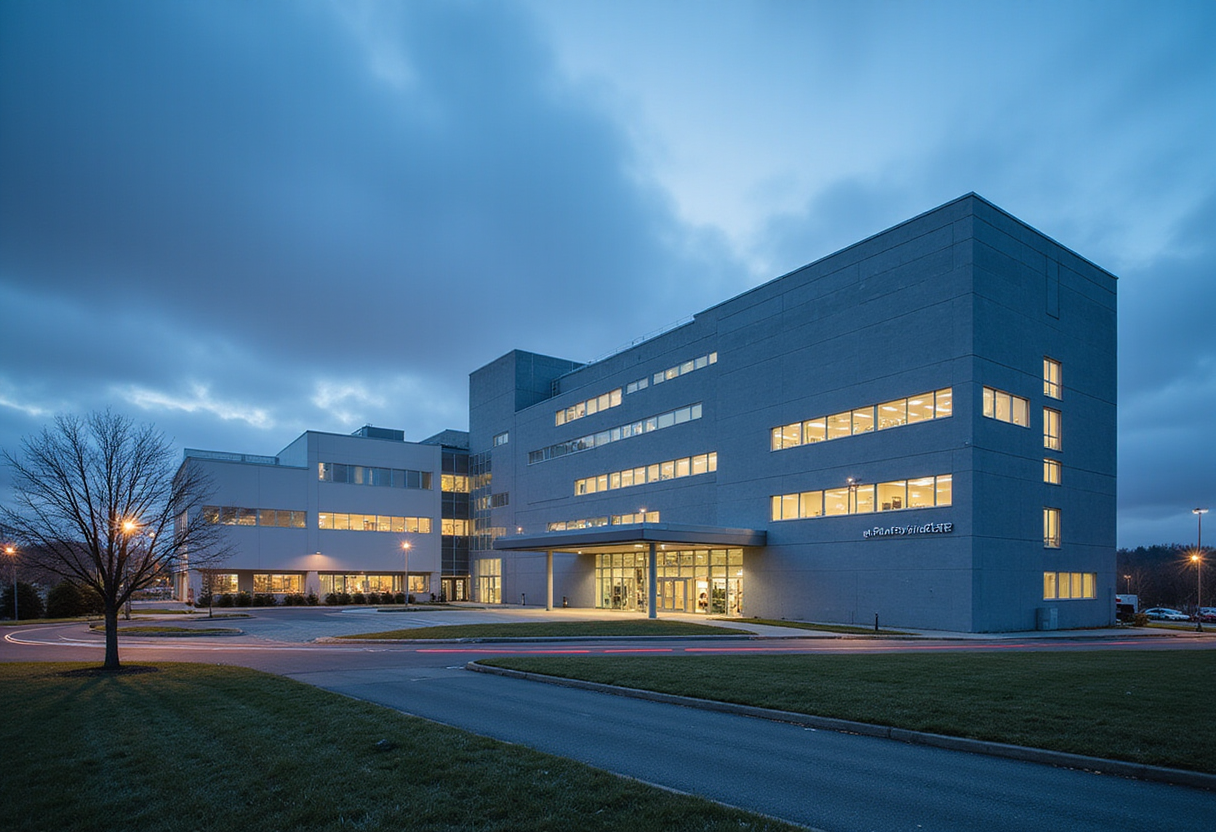
The Semiconductor Industry Association has publicly applauded an expansion at GlobalFoundries carried out under a U.S.-Japan government initiative, lending the industry's main Washington lobby to a factory project that now sits inside a bilateral framework rather than a purely corporate one.
The SIA, which represents chipmakers operating in the United States, issued the statement welcoming the GlobalFoundries expansion as a product of cooperation between Washington and Tokyo. The endorsement matters because the association rarely singles out individual member projects; it does so when a plant fits a policy argument it is making on Capitol Hill.
What is actually confirmed?
The confirmed facts are narrow. GlobalFoundries is expanding. The expansion falls under a U.S.-Japan initiative. The SIA approves of it. The association's statement did not, in the material available, attach a capacity figure, a dollar value or a process node to the announcement.
That restraint is worth noting. In an era when fab announcements arrive wrapped in multi-billion-dollar totals, an industry body endorsing a project without quoting a number suggests the significance lies in the diplomatic scaffolding as much as in the wafers.
Why the U.S.-Japan framing matters
GlobalFoundries is the world's largest specialty foundry by some measures and the leading advanced node option for companies that do not want to rely on TSMC or Samsung at the bleeding edge. Its customers span automotive, aerospace and communications — sectors where geopolitics now shapes sourcing decisions more than price lists do.
A U.S.-Japan initiative carrying a GlobalFoundries expansion signals two things. First, allied governments are coordinating industrial policy rather than running separate subsidy races. Second, Japan's equipment and materials suppliers — companies such as Tokyo Electron and JSR occupy critical points in the toolchain — gain a stake in American fab buildouts.
The SIA has spent years arguing that semiconductor supply chains are regional only on paper, and that investment in one allied country pulls investment through the chain in others. A GlobalFoundries expansion blessed under a bilateral banner is exactly the exhibit the association wants in that argument.
The specialty-logic context
GlobalFoundries abandoned the race to 7nm and below in 2018 and has since concentrated on differentiated platforms: silicon photonics, gallium nitride, RF on silicon-on-insulator, and 22FDX and 12LP families for automotive and IoT customers. Its expansion announcements therefore tend to concern mature and specialty nodes rather than leading-edge lithography.
For policymakers, that distinction is the point. Most chips in a car, a missile or a router are not leading-edge parts, and the 2021-2023 shortages hit exactly the nodes GlobalFoundries makes. Capacity at 22nm and above is what the U.S.-Japan framework appears designed to reinforce.
What remains open
Neither GlobalFoundries nor the SIA has, in the available statement, specified the site, the timeline or the output of the expansion. Whether the project adds new cleanroom space, upgrades toolsets at an existing fab or commits to a greenfield facility will determine whether this is a policy gesture or a genuine capacity event.
Watch the follow-through. If the expansion arrives with concrete wafer-per-month targets and a dated groundbreaking, the bilateral initiative will have produced something the market can measure; if it does not, the SIA's applause will have been the loudest number in the room.
Source: Google News: semiconductors
More from Nathan Brooks
Show full bio
Senior reporter covering people, launches and day-to-day practice in Semiconductors, chip manufacturing, hardware, AI compute at Chip Dispatch.
492 articles
Related articles
globalfoundries-to-run-two-new-york-fabs-under-u-s-japan-program-b943cf2d
GlobalFoundries to Run Two New York Fabs Under U.S.-Japan Program
japan-commits-up-to-21-billion-to-two-us-fabs-under-globalfoundries-c2e03fb4
Japan Commits Up to $21 Billion to Two US fabs Under GlobalFoundries
japan-and-us-weigh-19-billion-chip-plant-in-tariff-investment-pact-8dcdcf17
Japan and US Weigh $19 Billion Chip Plant in Tariff Investment Pact
japan-and-us-in-talks-over-chip-fab-under-550-billion-investment-plan-a855977a
Japan and US in Talks Over Chip Fab Under $550 Billion Investment Plan