Consumer TechLOT 261122 · 3 min read
Signal Blocks Screenshots on Android and iOS Over AI Agent Risk
Signal now restricts screenshots on Android and iOS, extending its Windows default. President Meredith Whittaker calls OS-level AI agents an "existential threat" to independent privacy guarantees.
Key takeaways
- Signal announced screenshot restrictions on Android and iOS on Friday
- The Windows app already blocked screenshots by default
- President Meredith Whittaker called OS-level agentic AI an "existential threat"
- Users can disable the setting, which Whittaker said would "break our privacy guarantees"
- Whittaker admitted the fix is "incomplete" against other AI agent access paths
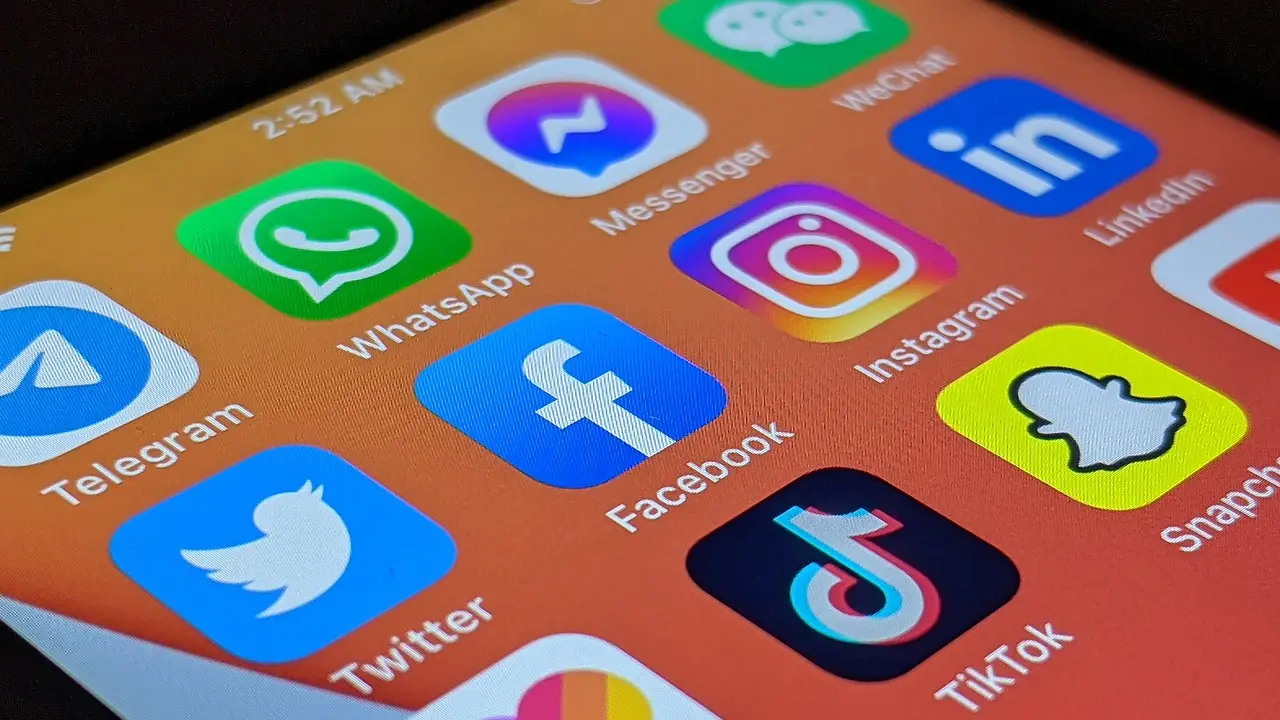
Signal began restricting screenshots on Android and iOS on Friday, extending a protection it already applies by default on Windows. The move responds to what company President Meredith Whittaker calls the "existential threat" of operating systems that integrate agentic AI.
The encrypted messaging provider announced the change Friday. It previously blocked screenshots of its Windows app by default. The new restrictions bring Android and iOS in line with that policy.
Why is Signal blocking screenshots now?
The company's reasoning centers on how modern operating systems expose screen contents to AI agents. Whittaker wrote that Windows, Android, and macOS/iOS, by giving AI agents the ability to "scan" information on users' screens, "are undermining Signal's ability to independently guarantee privacy."
She described the mechanics plainly.
"Now, in service of AI agentic capabilities, your sensitive data is being captured, stored, and made accessible to whatever local database or remote server an OS-level AI agent is using at that moment," Whittaker said. "All of this is outside of Signal's control once the data has been captured, and imperils the privacy of all the participants in a conversation."
The statement draws a clear boundary of responsibility. Signal can encrypt messages in transit and on device. It cannot control what an operating system does with pixels after they render on screen.
Screenshot blocking is the company's defensive answer to that gap, limiting one obvious channel through which an OS-level agent could read conversation contents.
What can users do?
The restriction is not absolute. Users can disable the setting if they wish, Signal confirmed.
Whittaker flagged the tradeoff directly. Disabling the protection, she said, would "break our privacy guarantees." In other words, a user who turns off screenshot blocking opts out of the privacy model Signal promises every participant in a chat.
The setting applies to the app itself, not the operating system. Users who rely on screenshots for work records or verification will need to weigh that convenience against the company's stated guarantee.
Does this fully solve the problem?
No, by Signal's own account. Whittaker admitted the fix is "incomplete."
She said it does not "address other more sneaky ways AI agents could potentially access application data." Screenshots are one vector. Other paths to application data remain open, and Signal has no stated remedy for them in Friday's announcement.
What is at stake for messaging apps?
The core issue is control. Signal's product is a privacy guarantee that the company says it can enforce independently. OS-level AI agents change the terms because data capture happens at a layer Signal does not govern.
The company frames this as structural rather than incidental. Once a local database or remote server holds captured screen data, Whittaker said, the information sits outside Signal's control and endangers every participant in a conversation, not just the user who took the screenshot.
That asymmetry — one user's OS settings determining the exposure of another user's messages — underlies the default-on restriction. The guarantee, in Signal's view, must hold across both ends of a conversation to mean anything.
What comes next?
Signal has published no further technical roadmap beyond Friday's change. Whittaker's acknowledgment that the solution is incomplete signals that additional measures against AI agent access to app data remain an open problem, and that the tension between OS-level AI capabilities and independent privacy guarantees will shape the next round of secure messaging design.
techcrunch.com (Source)
More from Grace Kim
Show full bio
Market editor covering people, launches and day-to-day practice in Semiconductors, chip manufacturing, hardware, AI compute at Chip Dispatch.
1,213 articles